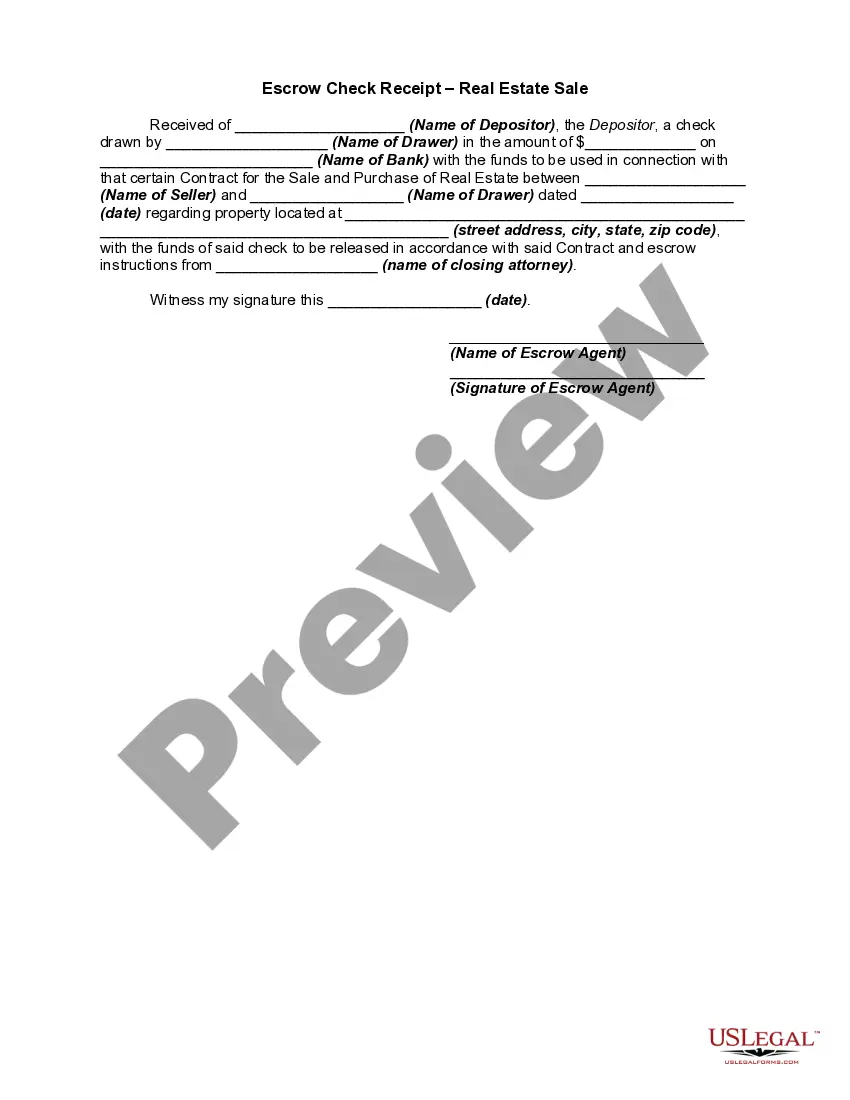
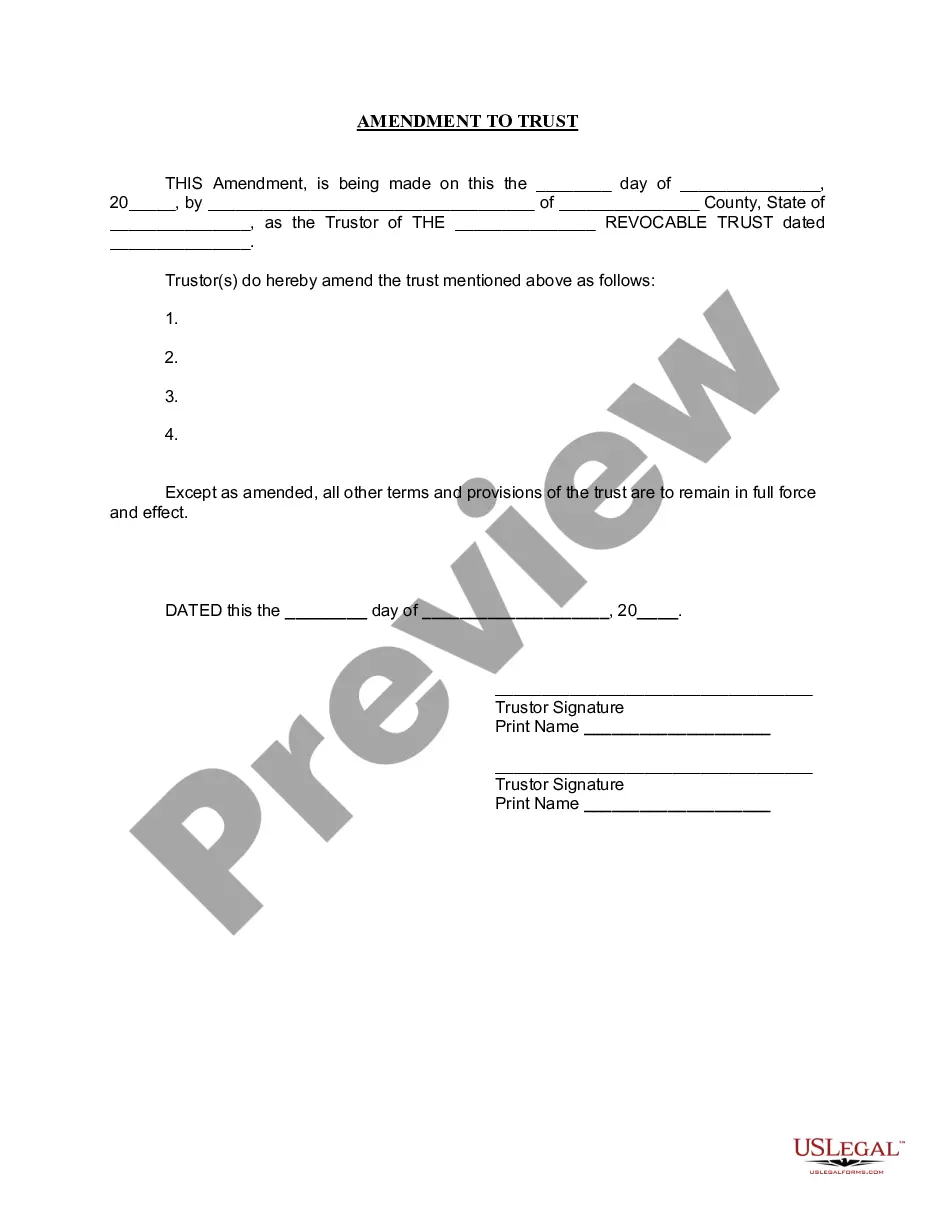
Escrow Release Form With Payment In Fairfax
Description
Get your form ready online
Our built-in tools help you complete, sign, share, and store your documents in one place.
Make edits, fill in missing information, and update formatting in US Legal Forms—just like you would in MS Word.
Download a copy, print it, send it by email, or mail it via USPS—whatever works best for your next step.
Sign and collect signatures with our SignNow integration. Send to multiple recipients, set reminders, and more. Go Premium to unlock E-Sign.
If this form requires notarization, complete it online through a secure video call—no need to meet a notary in person or wait for an appointment.
We protect your documents and personal data by following strict security and privacy standards.

Make edits, fill in missing information, and update formatting in US Legal Forms—just like you would in MS Word.

Download a copy, print it, send it by email, or mail it via USPS—whatever works best for your next step.

Sign and collect signatures with our SignNow integration. Send to multiple recipients, set reminders, and more. Go Premium to unlock E-Sign.

If this form requires notarization, complete it online through a secure video call—no need to meet a notary in person or wait for an appointment.

We protect your documents and personal data by following strict security and privacy standards.
Looking for another form?






Form popularity
FAQ
How many people can live in a typical house? ing to HUD guidance, an occupancy policy of two persons per bedroom is generally considered reasonable under current federal laws. However, other housing organizations and agencies sometimes use a rule of three people per bedroom.
Virginia Code section 36-105.4 states, “The owner or managing agent of a residential dwelling unit may develop and implement occupancy standards restricting the maximum number of occupants permitted to occupy a dwelling unit to two persons per bedroom, which is presumed to be reasonable.”
Occupancy Limitations Applied to Bedrooms Bedroom Size (Square Feet)Maximum Number of Occupants per Room 70 1 100 2 150 3 200 4
Can a home or dwelling unit have multiple renters? Generally, no more than one family, plus two renters, may live together as a single household. Or, no more than four unrelated people may live in one house as a single household.
Zoning Ordinance and Safety Rules In general, no more than one family, plus two renters, may live in one house, or no more than four unrelated people may live in one house.
You may view your tax information online or request a copy of the bill by emailing DTARCD@fairfaxcounty or calling 703-222-8234, TTY 711.
A rough grading plan is required when land disturbance will exceed 2,500 square feet and the proposed clearing and grading will not be depicted on a site plan, subdivision plan, infill lot grading plan or conservation plan.

