Escrow Seller Does For Taxes Mean In San Antonio
Description

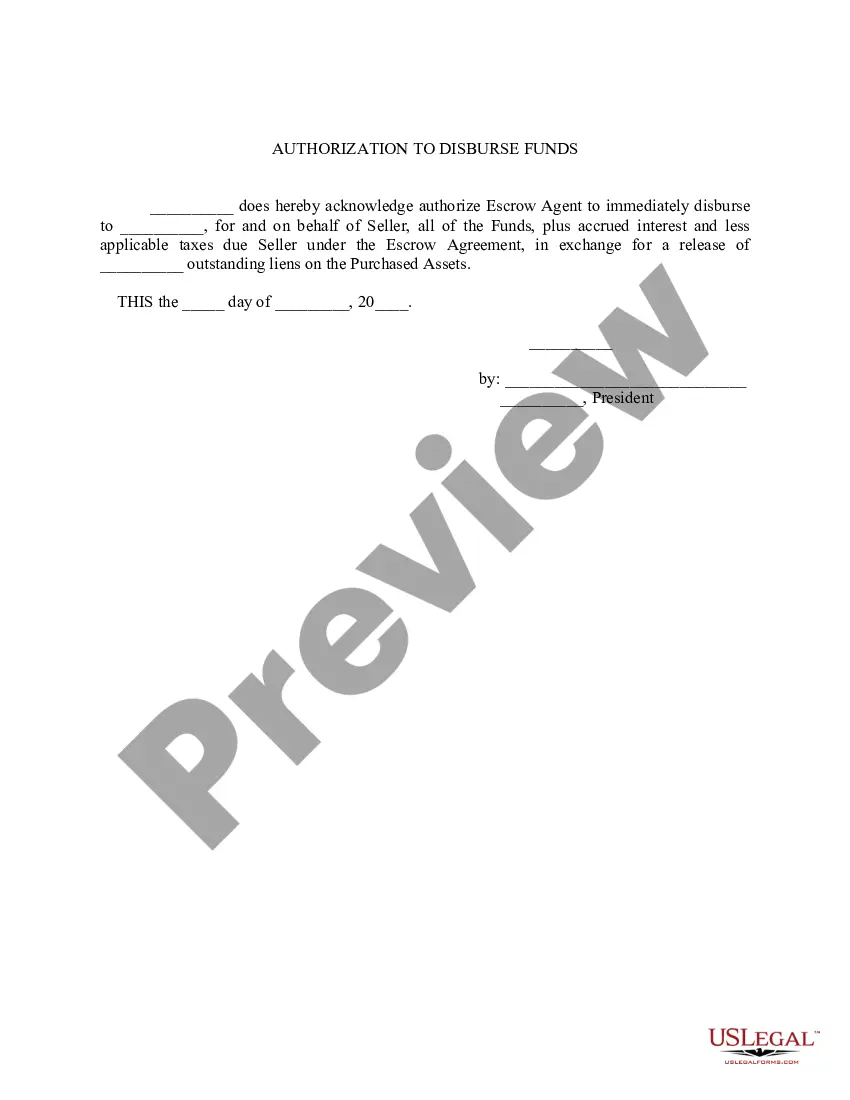
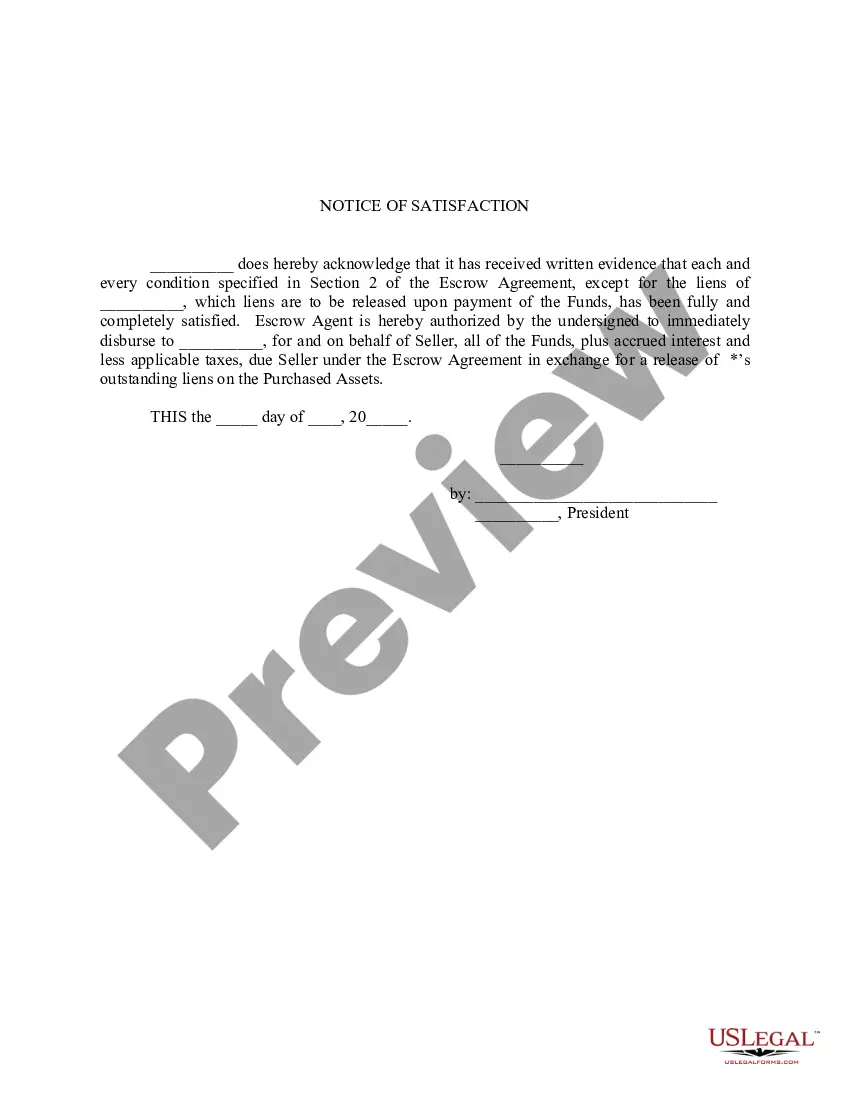
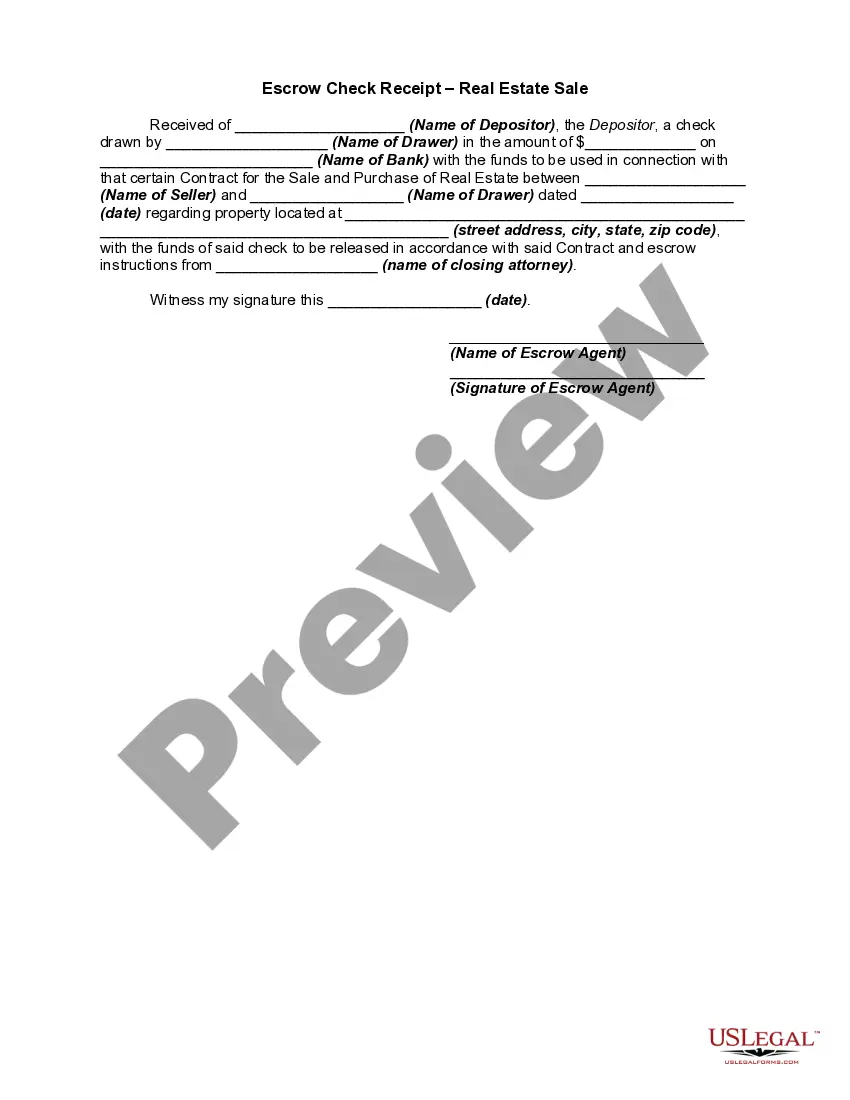
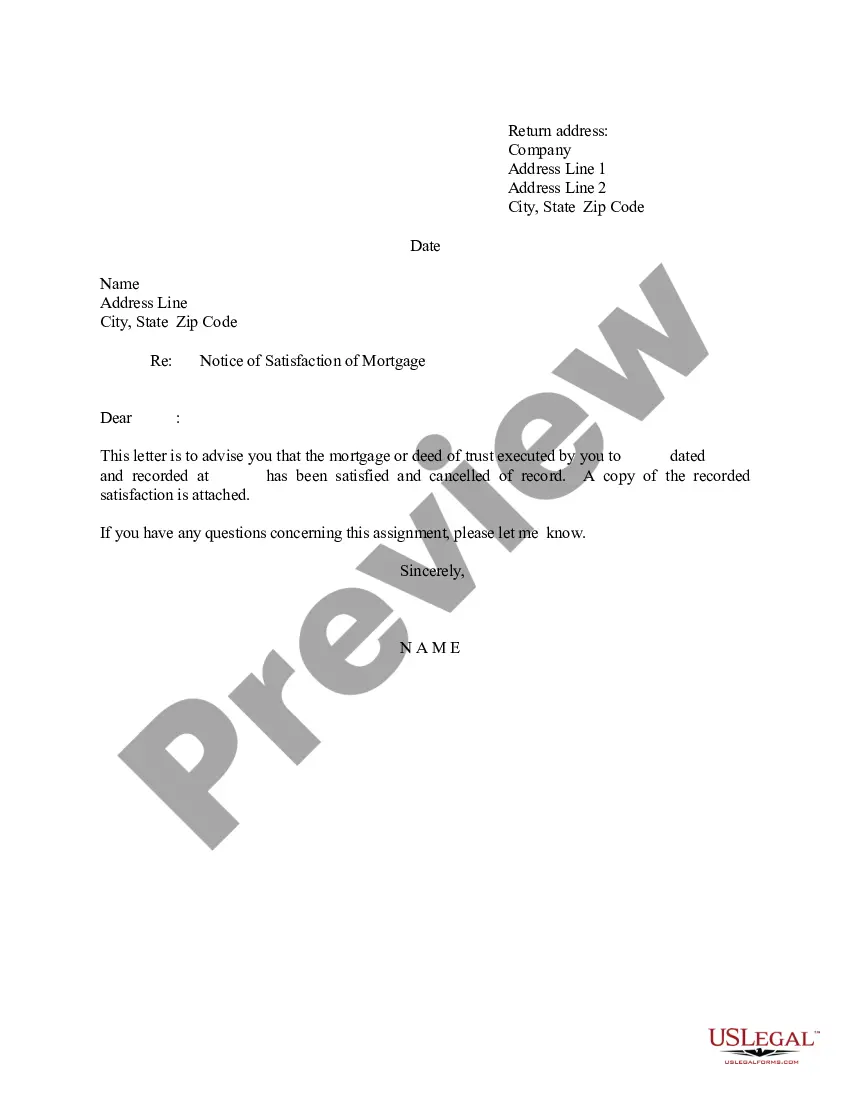
Get your form ready online
Our built-in tools help you complete, sign, share, and store your documents in one place.
Make edits, fill in missing information, and update formatting in US Legal Forms—just like you would in MS Word.
Download a copy, print it, send it by email, or mail it via USPS—whatever works best for your next step.
Sign and collect signatures with our SignNow integration. Send to multiple recipients, set reminders, and more. Go Premium to unlock E-Sign.
If this form requires notarization, complete it online through a secure video call—no need to meet a notary in person or wait for an appointment.
We protect your documents and personal data by following strict security and privacy standards.

Make edits, fill in missing information, and update formatting in US Legal Forms—just like you would in MS Word.

Download a copy, print it, send it by email, or mail it via USPS—whatever works best for your next step.

Sign and collect signatures with our SignNow integration. Send to multiple recipients, set reminders, and more. Go Premium to unlock E-Sign.

If this form requires notarization, complete it online through a secure video call—no need to meet a notary in person or wait for an appointment.

We protect your documents and personal data by following strict security and privacy standards.
Looking for another form?









Form popularity
FAQ
You absolutely get your escrow back when you sell.
- An Executor or Legal Representative Whether an executor or legal representative, they are responsible for paying the property taxes as long as the property is part of the estate.
Escrow verifies all payments. Once we confirm the funds are good, we will inform you that it's safe to deliver. As the Seller, you're also protected from any unexpected chargebacks, thereby ensuring that you won't fall prey to a scam.
The cancellation provisions are found in Paragraphs 14C (1) and (2), and in Paragraph 14E of the CA-RPA. Regardless of the reason, the seller must give some type of notice to the buyer, however (either a Notice to Perform or a Demand to Close Escrow) before the seller can cancel.
To set up your mortgage escrow account, the lender will calculate your annual tax and insurance payments, divide the amount by 12 and add the result to your monthly mortgage statement.
To set up your mortgage escrow account, the lender will calculate your annual tax and insurance payments, divide the amount by 12 and add the result to your monthly mortgage statement.
No, it's not a good thing. Having taxes and insurance in escrow provides financial security and prevents surprise expenses. It's a common practice for mortgage lenders and can help you budget effectively. If it's not in escrow, you should consider setting up your own system to ensure you're covered.
Escrow accounts are reviewed at least once a year and excess funds are returned to you automatically. If you believe there is an error in the amount being collected, you can present all of your documentation to the servicer for them to review your case.
Cons of escrow High upfront costs: Many escrow accounts require a minimum balance to cover unexpected expenses. You may have to keep an extra two or three months' worth of property taxes and insurance premiums as a cushion, or "escrow reserve."
