Escrow Seller Does For Buyer In Queens
Description

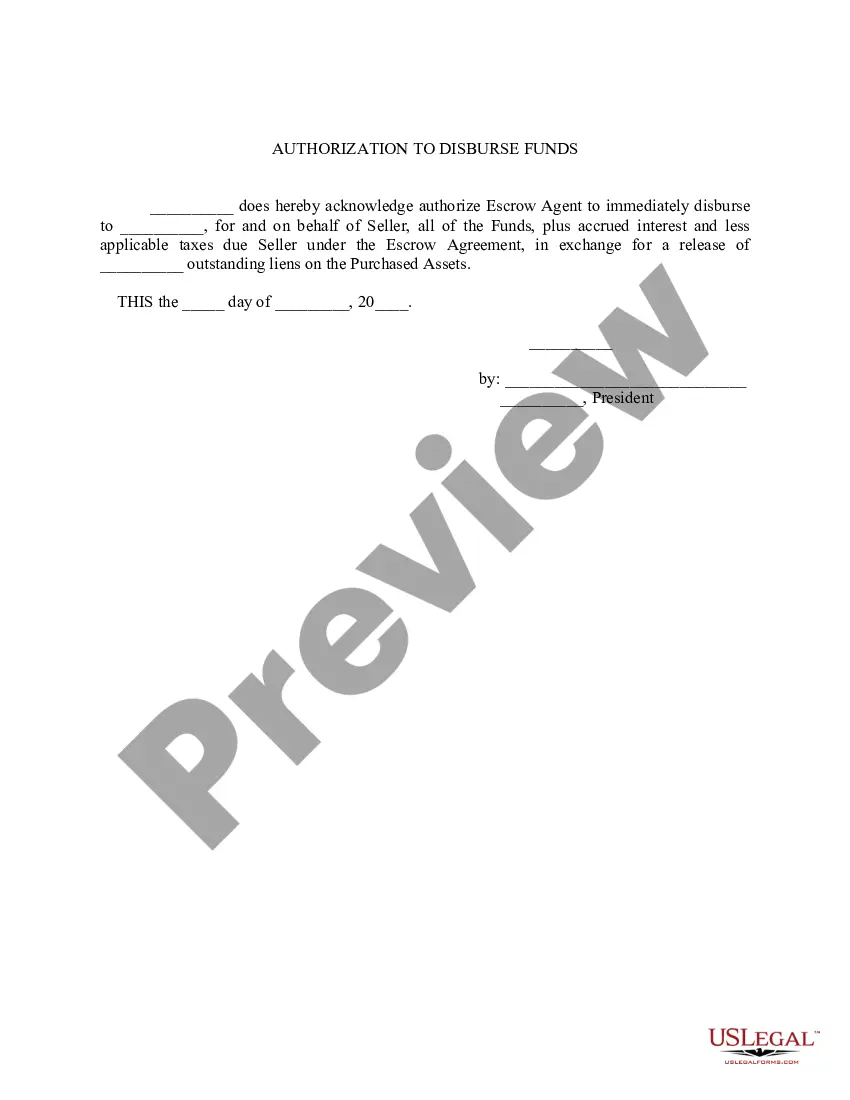
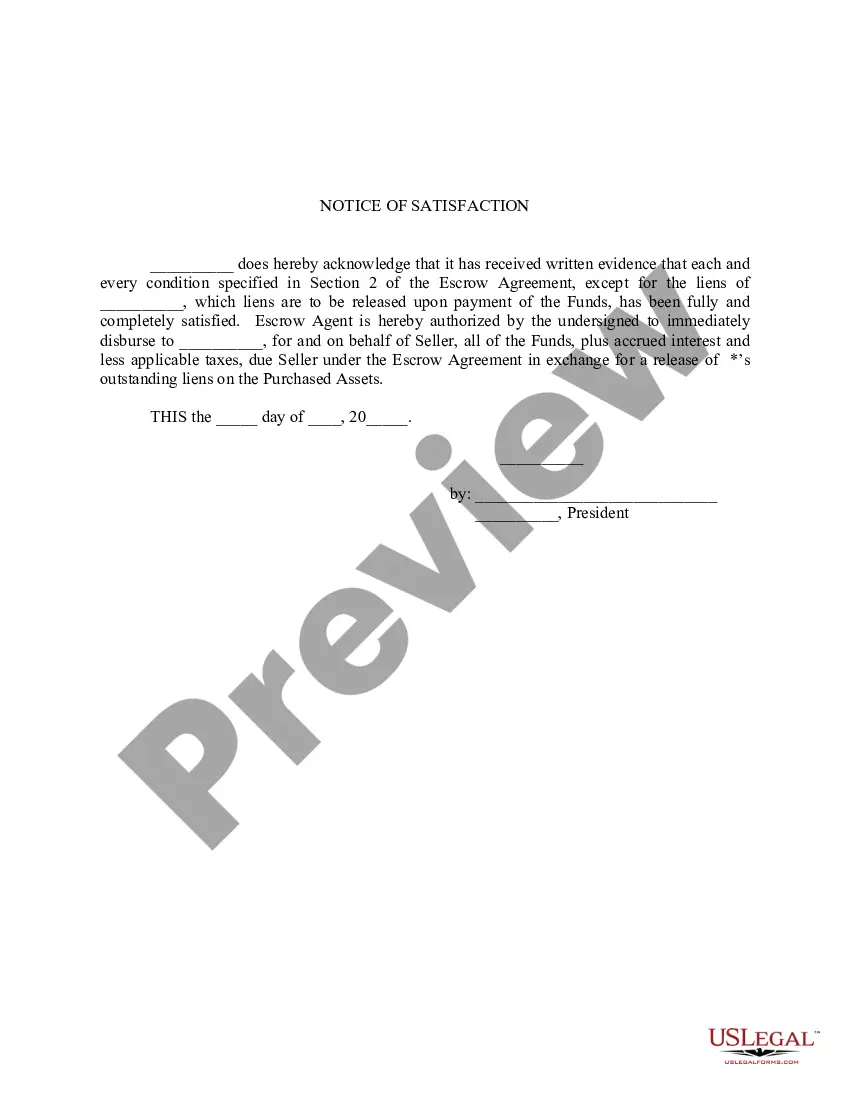
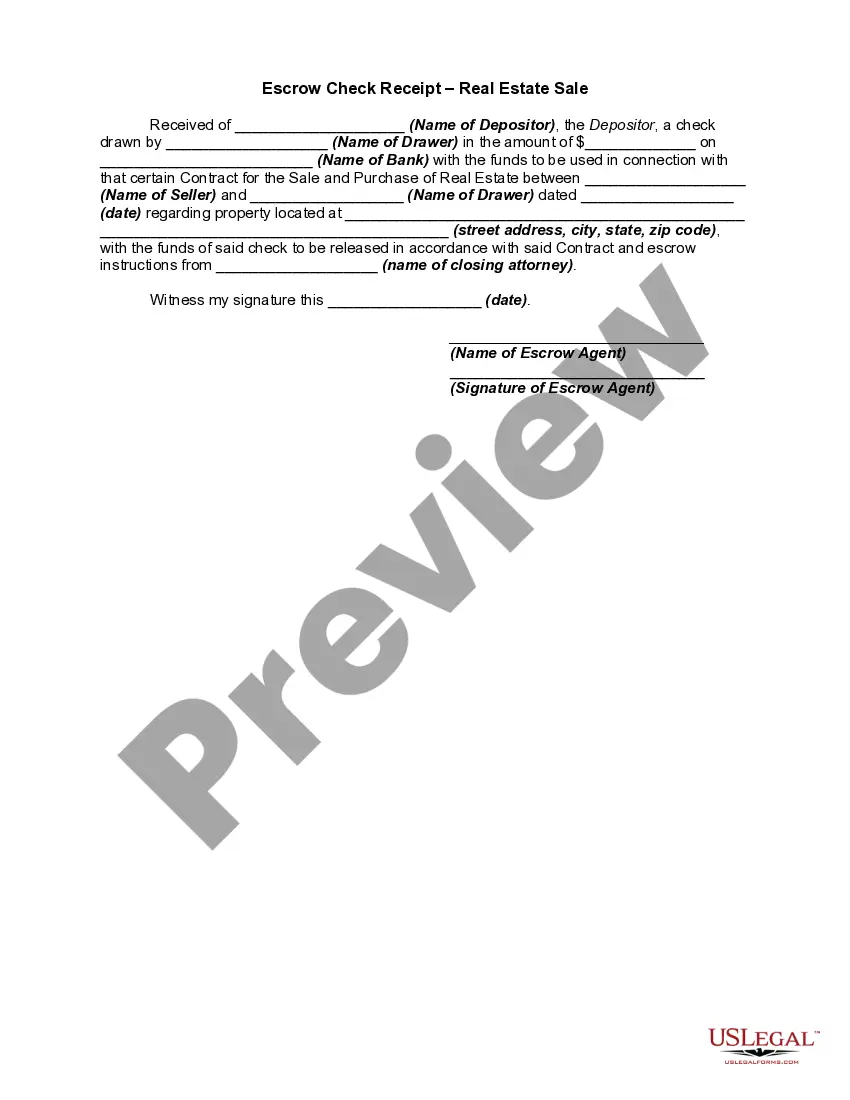
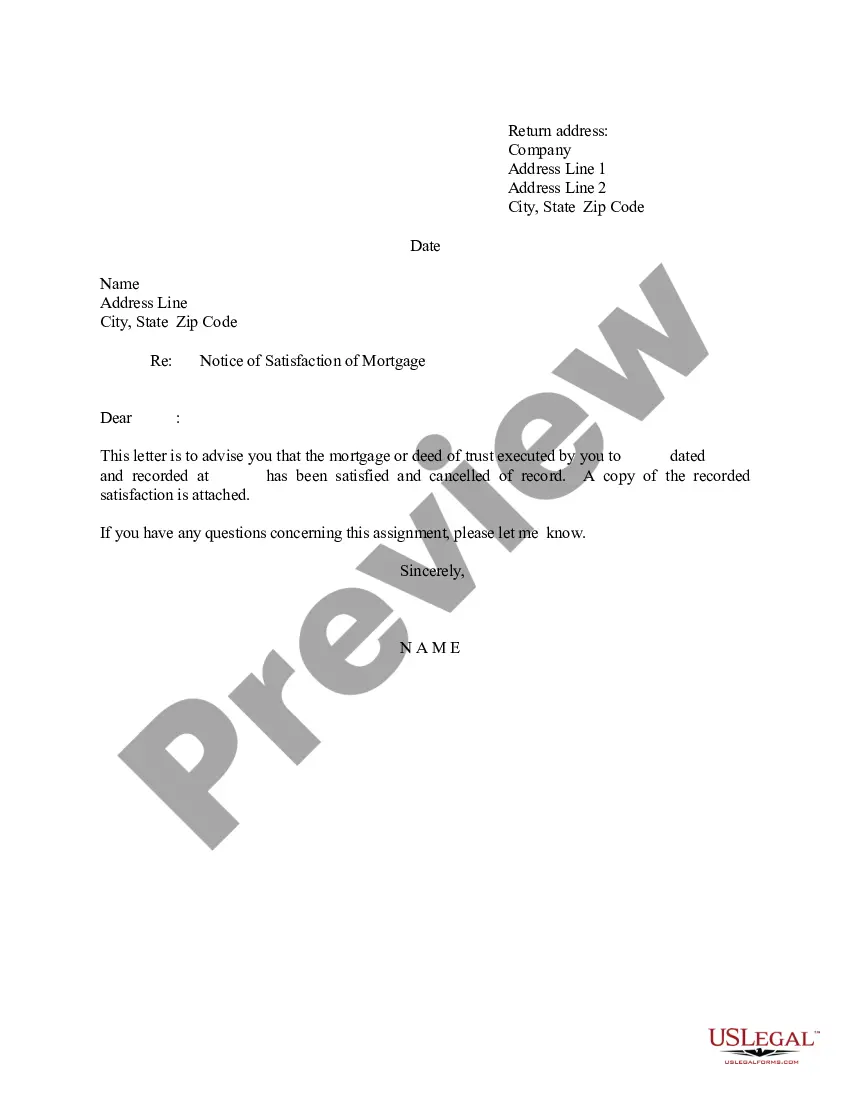
Get your form ready online
Our built-in tools help you complete, sign, share, and store your documents in one place.
Make edits, fill in missing information, and update formatting in US Legal Forms—just like you would in MS Word.
Download a copy, print it, send it by email, or mail it via USPS—whatever works best for your next step.
Sign and collect signatures with our SignNow integration. Send to multiple recipients, set reminders, and more. Go Premium to unlock E-Sign.
If this form requires notarization, complete it online through a secure video call—no need to meet a notary in person or wait for an appointment.
We protect your documents and personal data by following strict security and privacy standards.

Make edits, fill in missing information, and update formatting in US Legal Forms—just like you would in MS Word.

Download a copy, print it, send it by email, or mail it via USPS—whatever works best for your next step.

Sign and collect signatures with our SignNow integration. Send to multiple recipients, set reminders, and more. Go Premium to unlock E-Sign.

If this form requires notarization, complete it online through a secure video call—no need to meet a notary in person or wait for an appointment.

We protect your documents and personal data by following strict security and privacy standards.
Looking for another form?









Form popularity
FAQ
Because of these responsibilities, escrow agents in New York are often professionals like attorneys or title companies who understand the law and the real estate process.
Escrow instructions are written directions to an escrow agent which state the duties of the parties and the escrow holder. Note that an existing agent or an attorney of grantor or grantee cannot act as an escrow agent due to the conflict of interest in the duties.
As for the seller goes, they actually are not required to be present at the closing. They can sign what's called a 'power of attorney', and their attorney can actually sign documents on their behalf in their absence.
New York is an attorney state.
County Clerk: Know About the Commission Escrow Act This law enables real estate brokers with a Brokerage Agreement in place with a seller to have commission funds placed in an escrow account when there is a dispute.
Unlike traditional closings where parties meet face-to-face, New York's escrow-style closing involves a neutral third party who holds all necessary documents and funds until all conditions are met. This approach not only minimizes risks but also streamlines the entire process, making it a preferred choice for many.
Ninety-nine percent of the time, attorneys are present on both sides of a real estate transaction in New York state: the seller's side and the buyer's side. That's because in NYS, all real estate contracts of sale need to drawn up by the principle or their attorney.
