Notice Of Satisfaction In Pima
Description

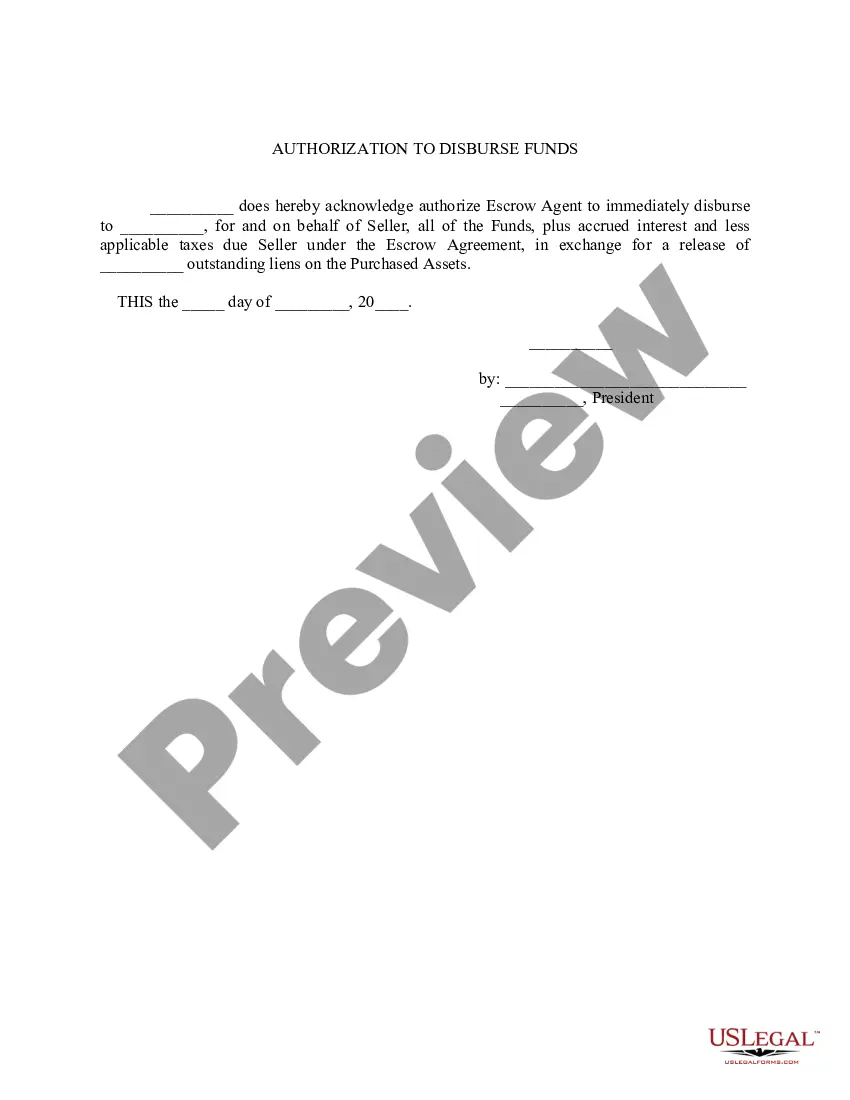
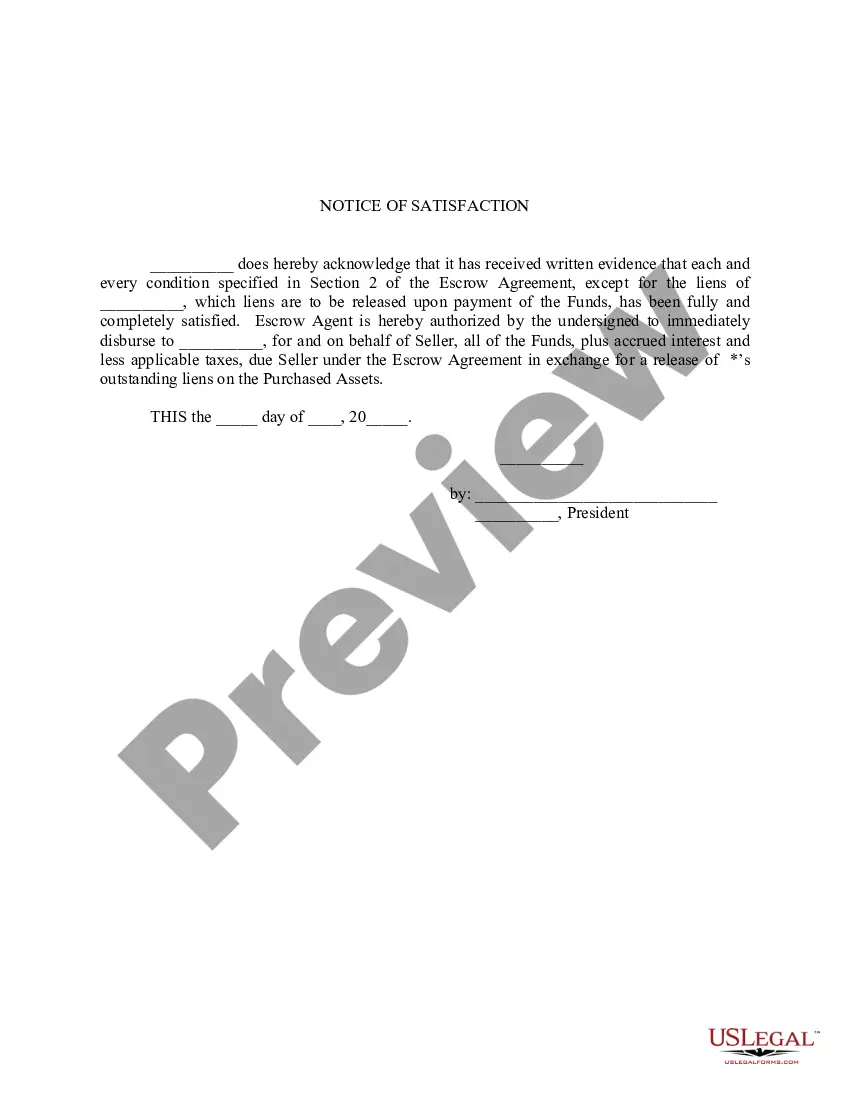
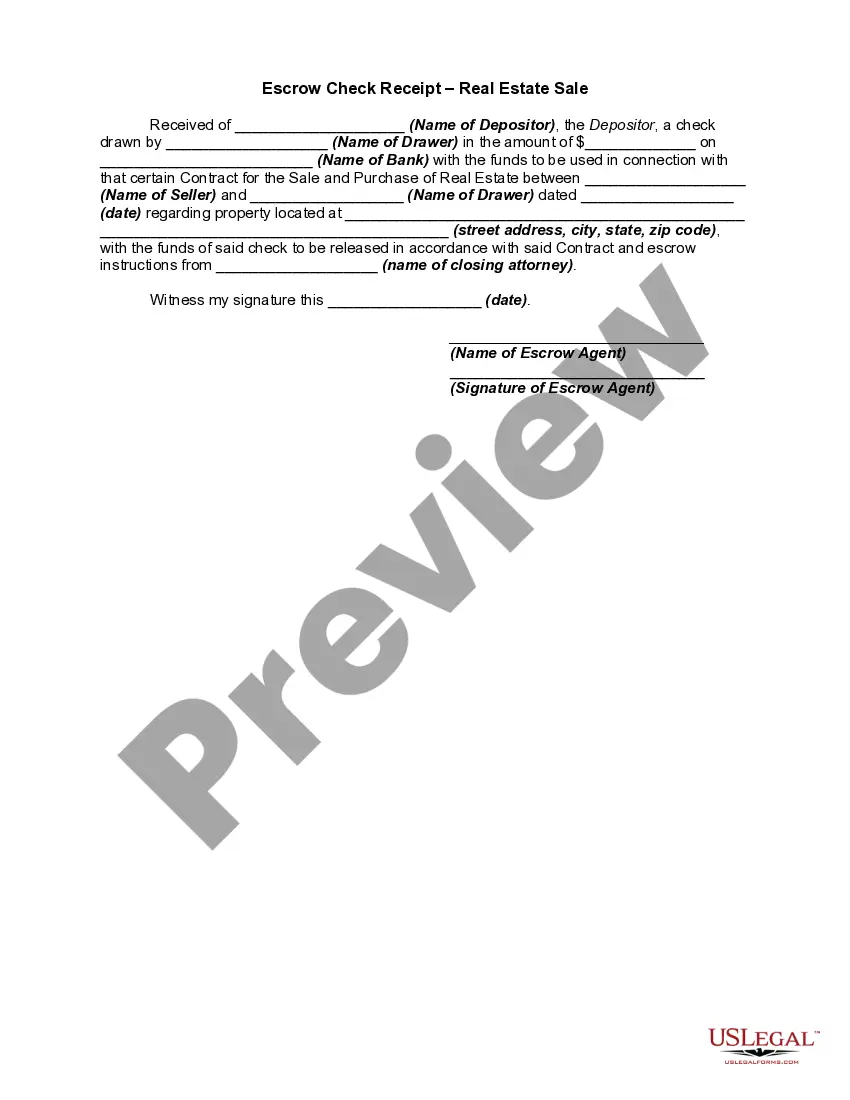
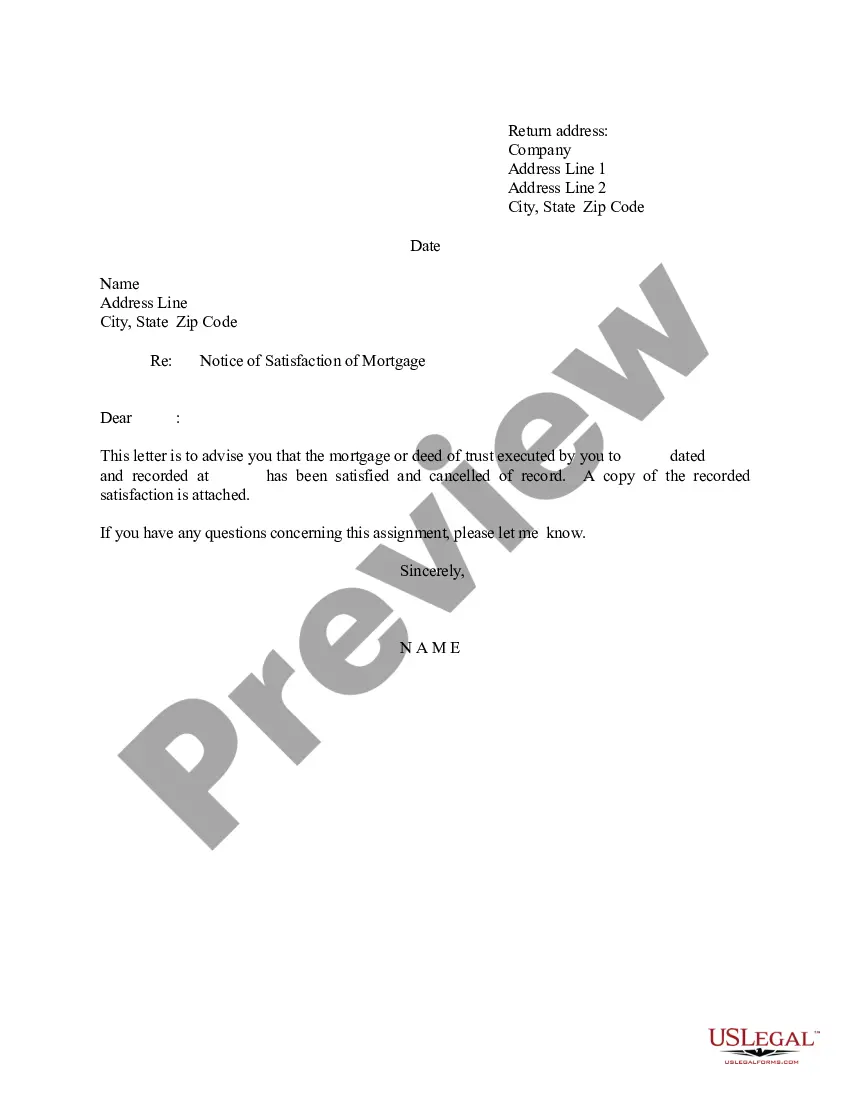
Get your form ready online
Our built-in tools help you complete, sign, share, and store your documents in one place.
Make edits, fill in missing information, and update formatting in US Legal Forms—just like you would in MS Word.
Download a copy, print it, send it by email, or mail it via USPS—whatever works best for your next step.
Sign and collect signatures with our SignNow integration. Send to multiple recipients, set reminders, and more. Go Premium to unlock E-Sign.
If this form requires notarization, complete it online through a secure video call—no need to meet a notary in person or wait for an appointment.
We protect your documents and personal data by following strict security and privacy standards.

Make edits, fill in missing information, and update formatting in US Legal Forms—just like you would in MS Word.

Download a copy, print it, send it by email, or mail it via USPS—whatever works best for your next step.

Sign and collect signatures with our SignNow integration. Send to multiple recipients, set reminders, and more. Go Premium to unlock E-Sign.

If this form requires notarization, complete it online through a secure video call—no need to meet a notary in person or wait for an appointment.

We protect your documents and personal data by following strict security and privacy standards.
Looking for another form?








Form popularity
FAQ
The writ of garnishment is a court order requiring the garnishee to withhold a certain amount from your earnings and to continue to withhold a portion of your earnings until the judgment is satisfied or the writ is quashed by the court or released by the judgment creditor.
A writ of garnishment is a process by which the court orders the seizure or attachment of the property of a defendant or judgment debtor in the possession or control of a third party. The garnishee is the person or corporation in possession of the property of the defendant or judgment debtor.
Writ of Garnishment is often referred to as garnishing a debtor's wages. A written notice is served to both the debtor and the debtor's employer or financial institution. There is a limit to the amount that can be garnished from the debtor's wages and the first $150 cannot be taken from the debtor's bank account.
(b) An acknowledgment of assignment of judgment shall contain all of the following: (1) The title of the court where the judgment is entered and the cause and number of the action. (2) The date of entry of the judgment and of any renewals of the judgment and where entered in the records of the court.
And some states also allow judgment liens on the debtor's personal property -- things like jewelry, art, antiques, and other valuables. In Arizona, a judgment lien can be attached to real estate only (meaning a house or similar property).
1. Property owner (applicant) must be 65 years of age or older. 2. The property must be the primary residence of the property owner and must have lived there for at least 2 years.
The owner can choose to appeal to the Board of Equalization within 25 days from the postmark on the Assessor's decision or to Tax Court within 60 days from the postmark date on the last decision. The U.S. Postal Service postmark dates are evidence of the dates petitions were filed and decisions were mailed.
Step 1 - File a Petition for Review with the County Assessor. Step 2 – Further the Appeal to the Board of Equalization. Step 3 – File an Appeal in Tax Court.
To start the appeals process, you can file a form online or mail it to the local assessment office. The forms are available on the website or by contacting the State Department of Assessments and Taxation (SDAT). Below are all the levels of review. If you lose at one level, you can appeal to the next.
The Pima County Treasurer collects property tax, acts as the bank for all county agencies, and invests idle funds to maximize taxpayer value.
