Escrow Seller Does Fortnite Have In Palm Beach
Description

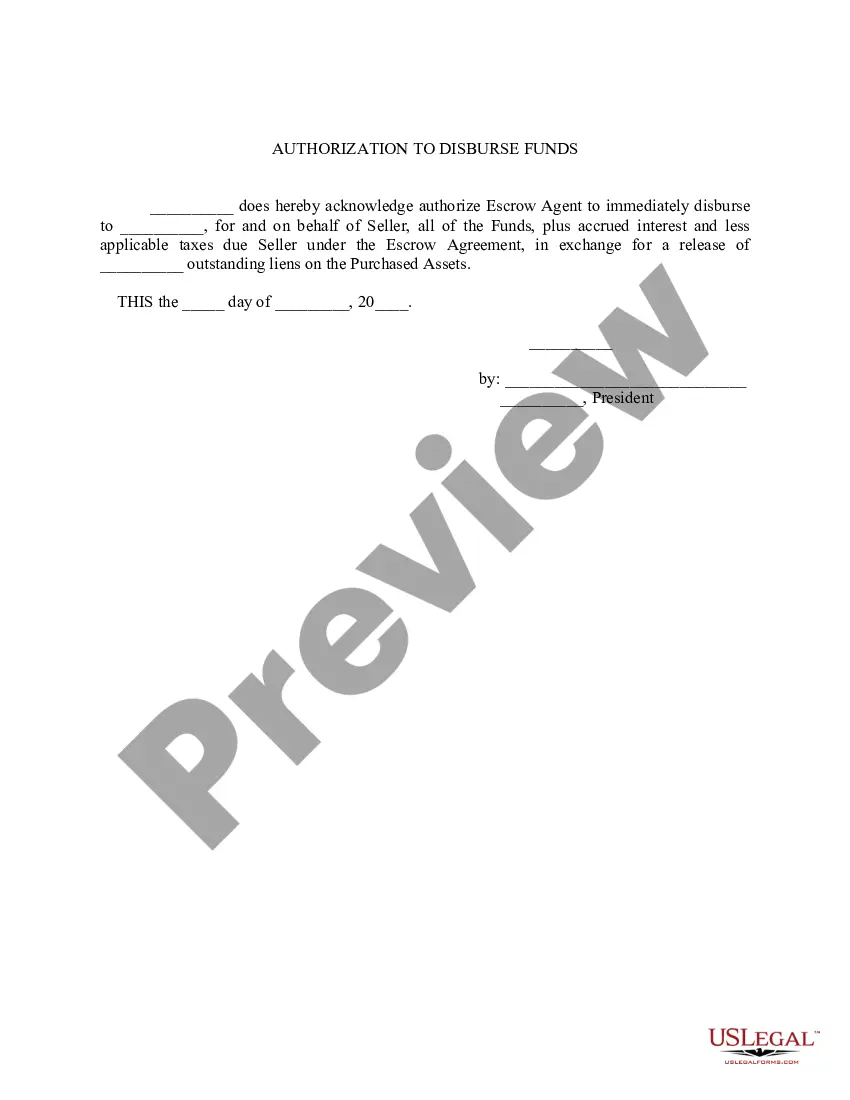
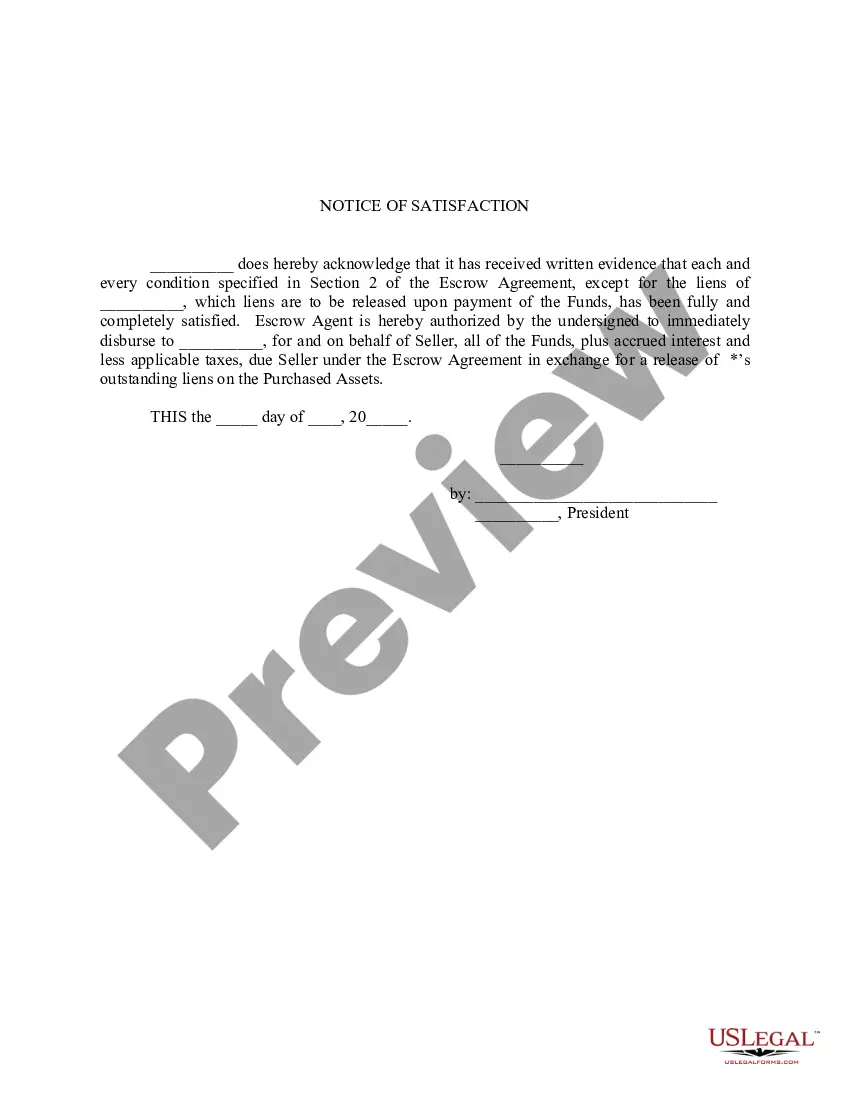
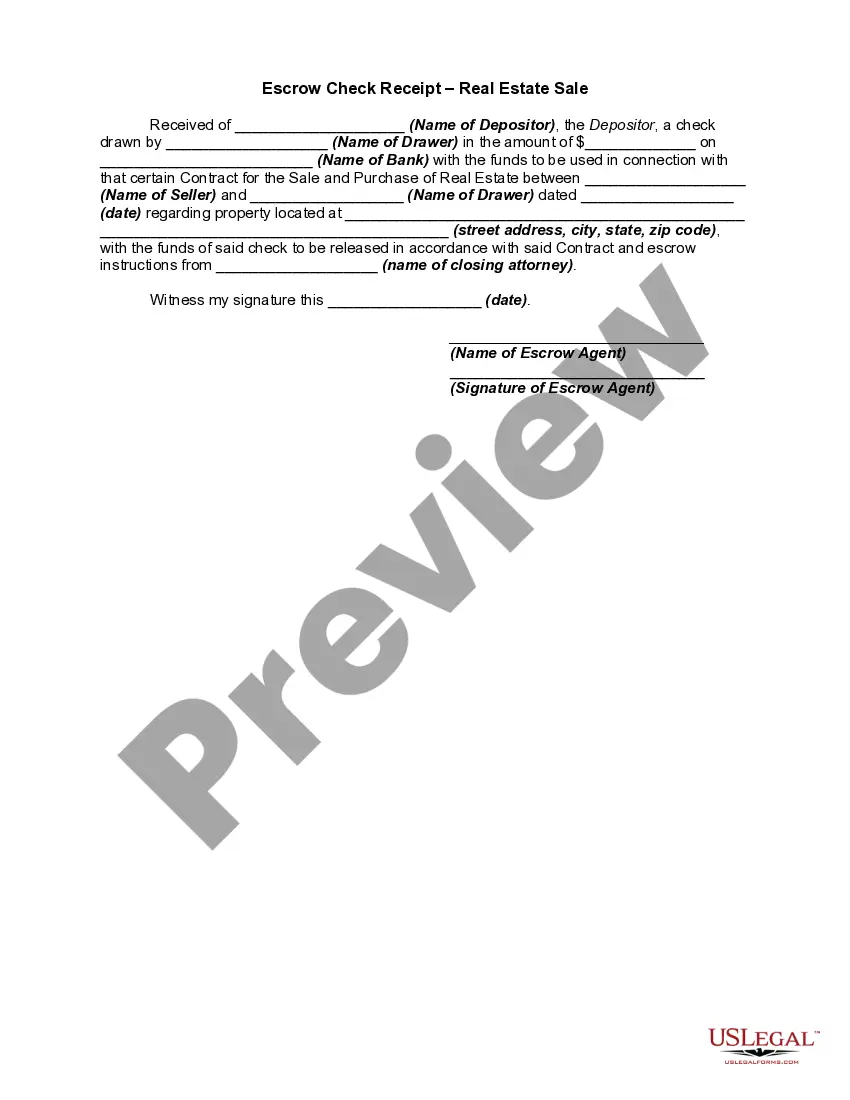
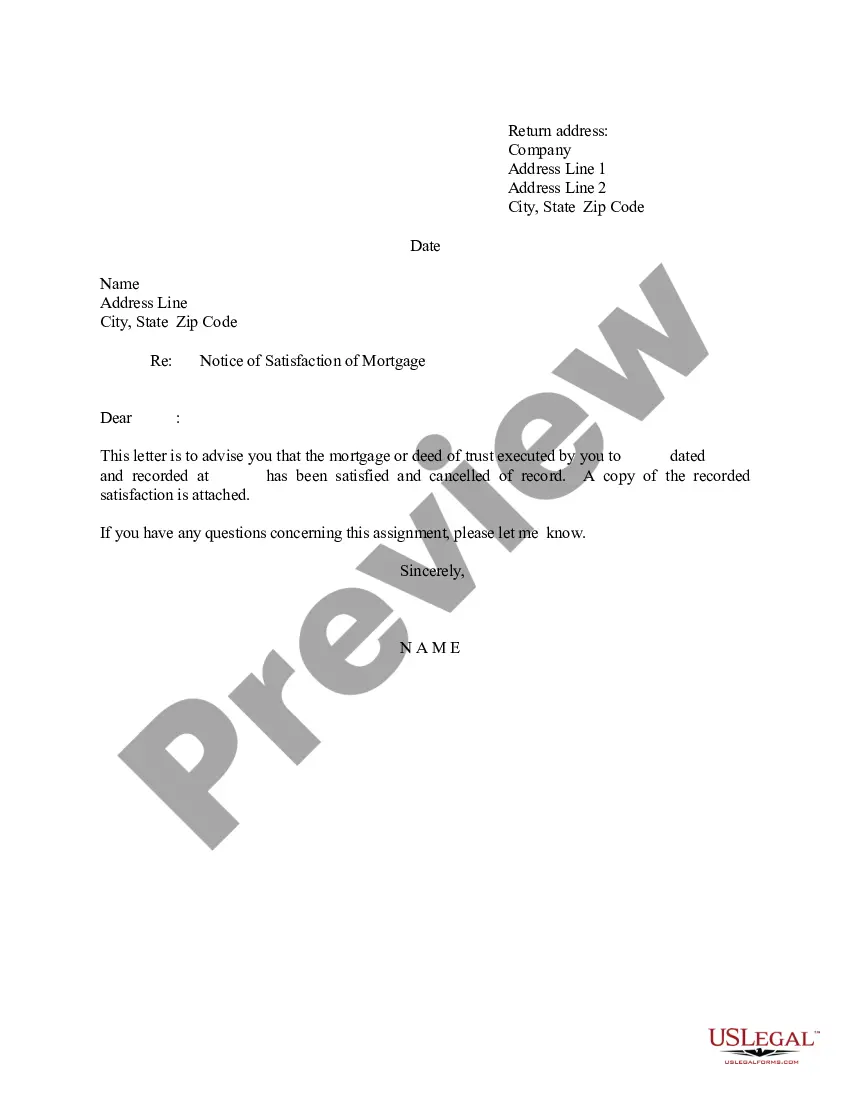
Get your form ready online
Our built-in tools help you complete, sign, share, and store your documents in one place.
Make edits, fill in missing information, and update formatting in US Legal Forms—just like you would in MS Word.
Download a copy, print it, send it by email, or mail it via USPS—whatever works best for your next step.
Sign and collect signatures with our SignNow integration. Send to multiple recipients, set reminders, and more. Go Premium to unlock E-Sign.
If this form requires notarization, complete it online through a secure video call—no need to meet a notary in person or wait for an appointment.
We protect your documents and personal data by following strict security and privacy standards.

Make edits, fill in missing information, and update formatting in US Legal Forms—just like you would in MS Word.

Download a copy, print it, send it by email, or mail it via USPS—whatever works best for your next step.

Sign and collect signatures with our SignNow integration. Send to multiple recipients, set reminders, and more. Go Premium to unlock E-Sign.

If this form requires notarization, complete it online through a secure video call—no need to meet a notary in person or wait for an appointment.

We protect your documents and personal data by following strict security and privacy standards.
Looking for another form?
Form popularity
FAQ
. 8-minute read. If you're buying a home, you'll probably hear the word “escrow” used in a few different contexts. Essentially, escrow is a financial arrangement where a neutral third party holds funds or assets on behalf of two parties involved in a transaction until specific conditions are met.
Under the law, really it's up to the parties to decide. It's a completely negotiable term. Each party or each side has an interest in choosing the closing agent. For the seller, they're the ones that have to provide clear title at the seller's table.
In Palm Beach County, the seller of the property chooses the closing / title agent.
The party paying is typically the one who gets to choose the service provider. In most Florida counties, the payer is typically the seller, although there are certainly exceptions, including Broward, Miami-Dade, Collier and Sarasota counties where the buyer typically pays the title insurance.
A title search report is essentially a snapshot of the property's ownership history. It includes information on the current owner, any outstanding mortgages or liens on the property, and any easements or encumbrances that may be attached to it. In Florida, a title search is done by a licensed real estate attorney.
In most Florida counties, the practice dictates that the buyer typically selects the title company in Florida. This is because, in such cases, the buyer assumes the responsibility for paying for title insurance.
How To Open An Escrow Account. Typically, the escrow account is most often opened by the seller's real estate agent, but escrow may be opened by anyone involved in the transaction. Escrow may be opened via phone call, email, or in person; or, click here to open an escrow account on Escrow of the West's website.
In Florida, the seller customarily pays for title insurance in many counties, including Palm Beach, Hillsborough County, Osceola County, and Orange County. However, in some counties, including Collier County, Sarasota County, Broward County, and Miami-Dade County, the buyer typically pays.
Escrow Examples In a real estate transaction, the buyer and seller will sign a contract that outlines the terms of the sale. The buyer will then make a deposit into an escrow account. The escrow agent will hold onto the deposit until the seller transfers ownership of the property to the buyer.
Typically, the escrow account is most often opened by the seller's real estate agent, but escrow may be opened by anyone involved in the transaction.
