Court Letter Sample For School In Philadelphia
Description



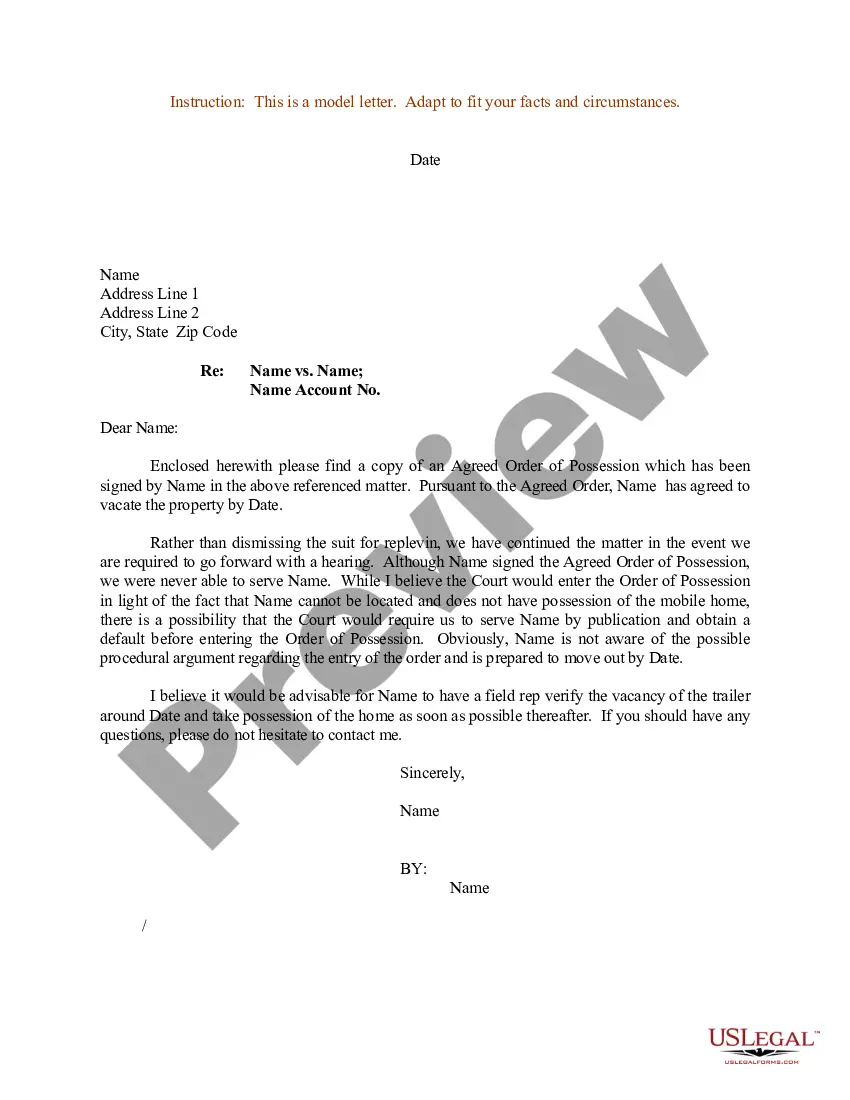
Get your form ready online
Our built-in tools help you complete, sign, share, and store your documents in one place.
Make edits, fill in missing information, and update formatting in US Legal Forms—just like you would in MS Word.
Download a copy, print it, send it by email, or mail it via USPS—whatever works best for your next step.
Sign and collect signatures with our SignNow integration. Send to multiple recipients, set reminders, and more. Go Premium to unlock E-Sign.
If this form requires notarization, complete it online through a secure video call—no need to meet a notary in person or wait for an appointment.
We protect your documents and personal data by following strict security and privacy standards.

Make edits, fill in missing information, and update formatting in US Legal Forms—just like you would in MS Word.

Download a copy, print it, send it by email, or mail it via USPS—whatever works best for your next step.

Sign and collect signatures with our SignNow integration. Send to multiple recipients, set reminders, and more. Go Premium to unlock E-Sign.

If this form requires notarization, complete it online through a secure video call—no need to meet a notary in person or wait for an appointment.

We protect your documents and personal data by following strict security and privacy standards.
Looking for another form?









Form popularity
FAQ
Once the summary judgement is granted, the case ends there, and neither party will have to deal with the stresses of a full trial. At times, the winning party can ask for an award of costs or attorney fees from the other party unless those terms were already established in the summary judgment.
Rule 1037.2 - Judgments by Default-Assessment of Damages (A) In order for the Office of Judicial Records to assess damages pursuant to Pa. R.C.P. 1037(b)(1) upon default for failure to answer, a complaint in an action must pray for specific items and amounts.
A motion for summary judgment must contain only a concise statement of the relief requested and the reasons for granting that relief. The motion should not include any recitation of the facts and should not exceed two pages in length. (d) Statement of undisputed material facts.
(1) A response to the motion for summary judgment which includes a concise statement, not to exceed two pages in length, as to why the motion should not be granted. (2) A response to the statement of undisputed material facts either admitting or denying or disputing each of the facts in the movant's statement.
Summary judgment procedure is a method for promptly disposing of actions in which there is no genuine issue as to any material fact.
1301. Except as provided hereunder, all cases having an amount in controversy, exclusive of interest and costs, of $50,000 or less shall be assigned to the Compulsory Arbitration Program of the Court of Common Pleas of Philadelphia County.
(1) All motions shall be in writing, except as permitted by the court or when made in open court during a trial or hearing. (2) A written motion shall comply with the following requirements: (a) The motion shall be signed by the person or attorney making the motion.
Rule 1035.2 sets forth the general principle that a motion for summary judgment is based on an evidentiary record which entitles the moving party to judgment as a matter of law. The evidentiary record may be one of two types.
If the complaint is against a United States District Judge, a United States Bankruptcy Judge, or a United States Magistrate Judge, you must file it at the clerk's office of the United States Court of Appeals for the region (“circuit”) in which the judge serves.
They act as commissioners to preside over arraignments, fix and accept bail, issue warrants, and hold preliminary hearings, as well as acting as a committing judge in all criminal proceedings.

