Escrow Seller Does For Taxes Mean In Miami-Dade
Description

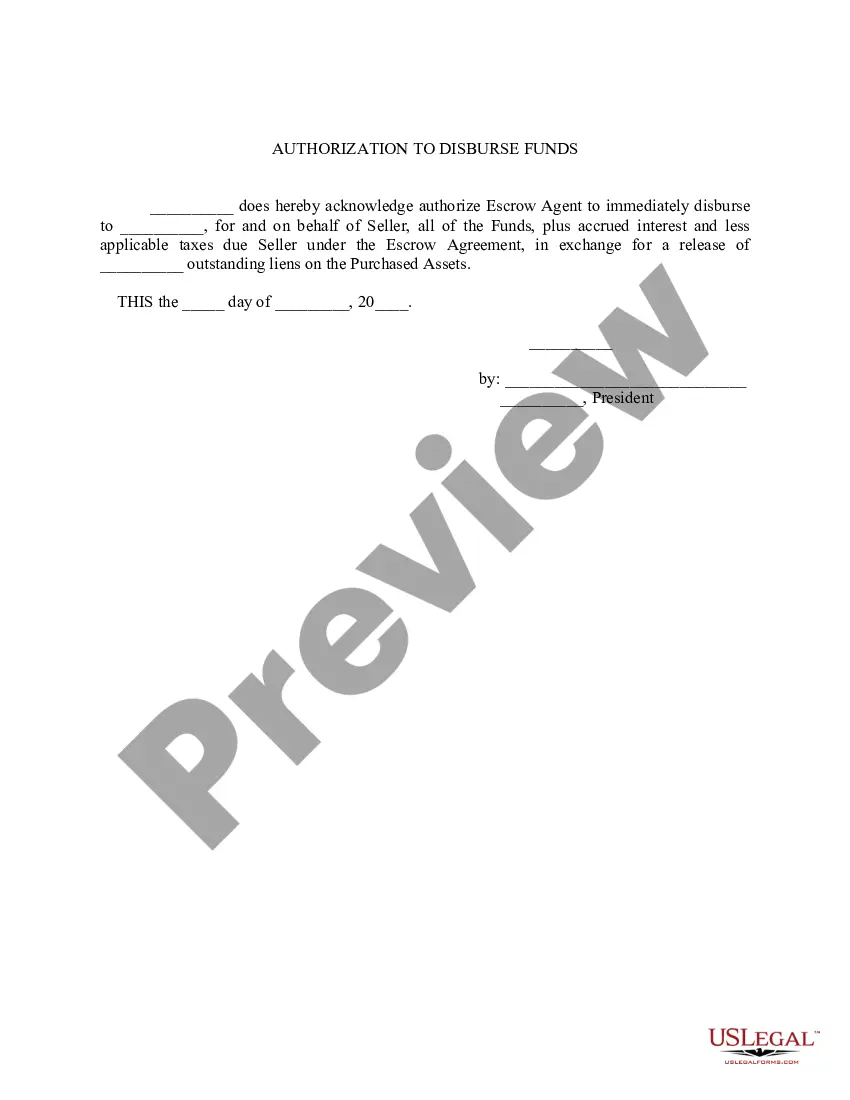
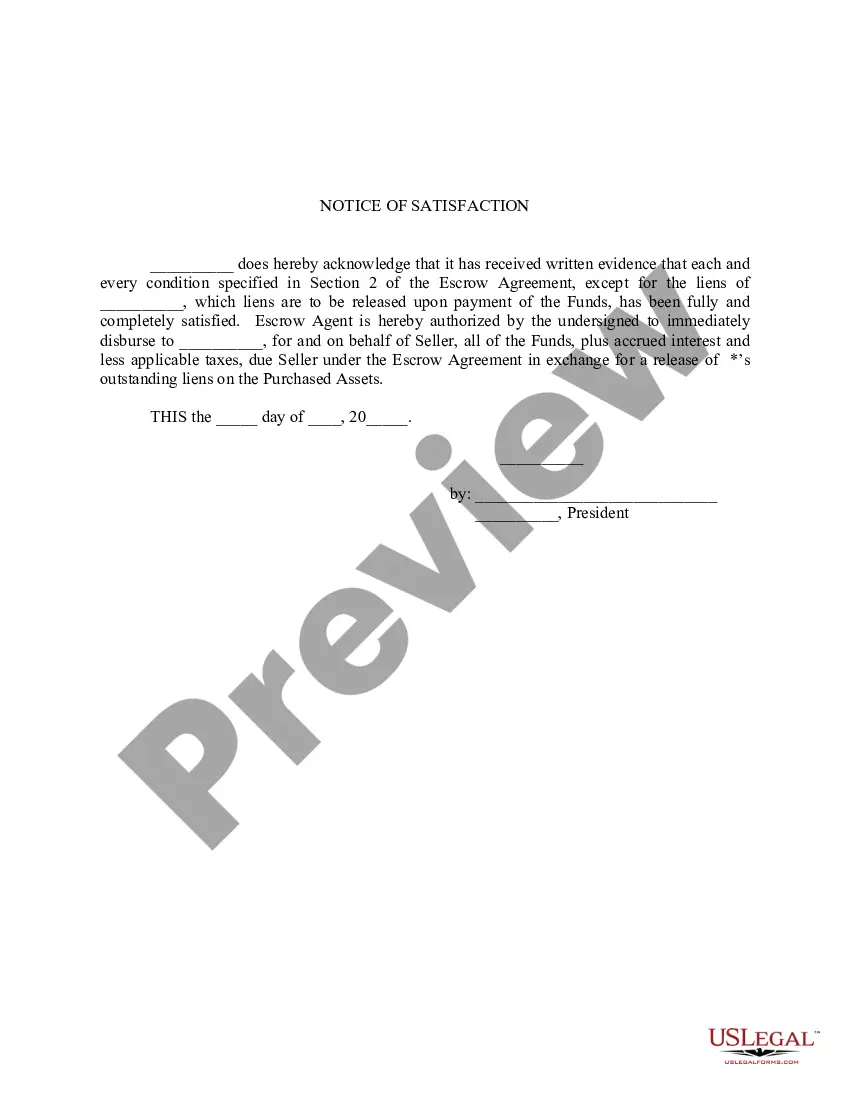
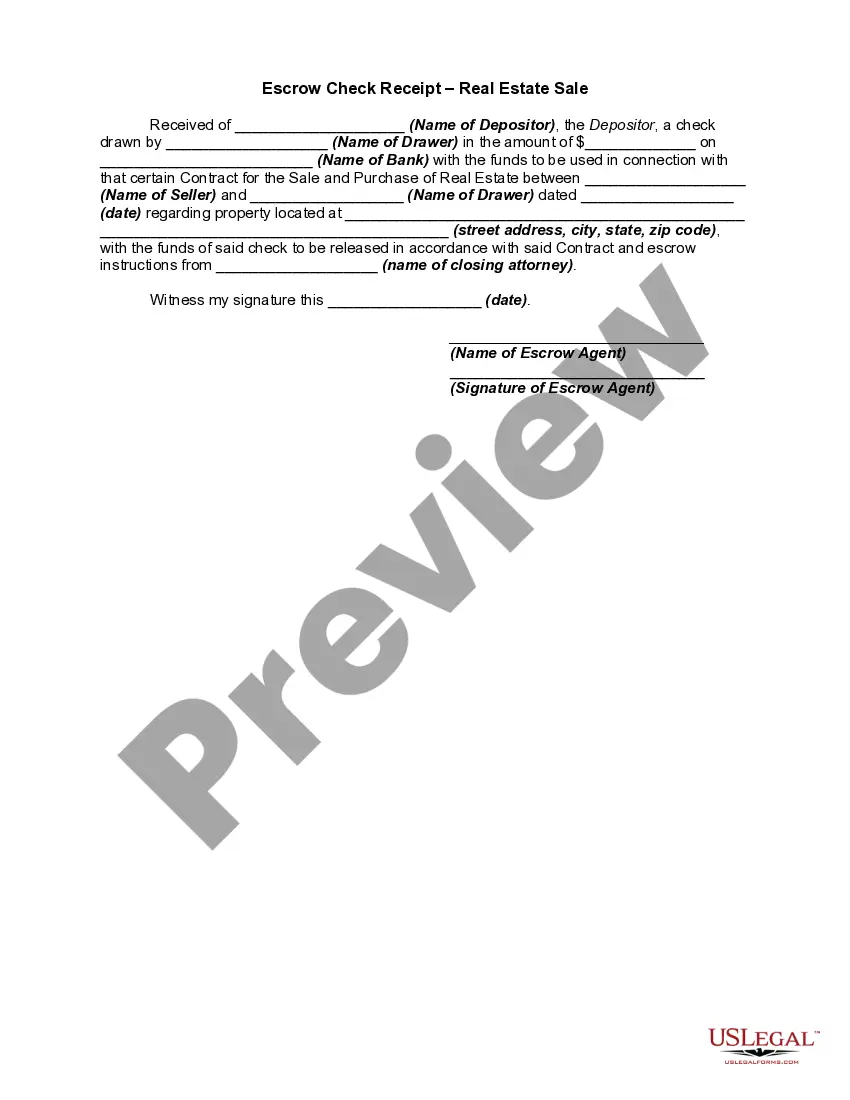
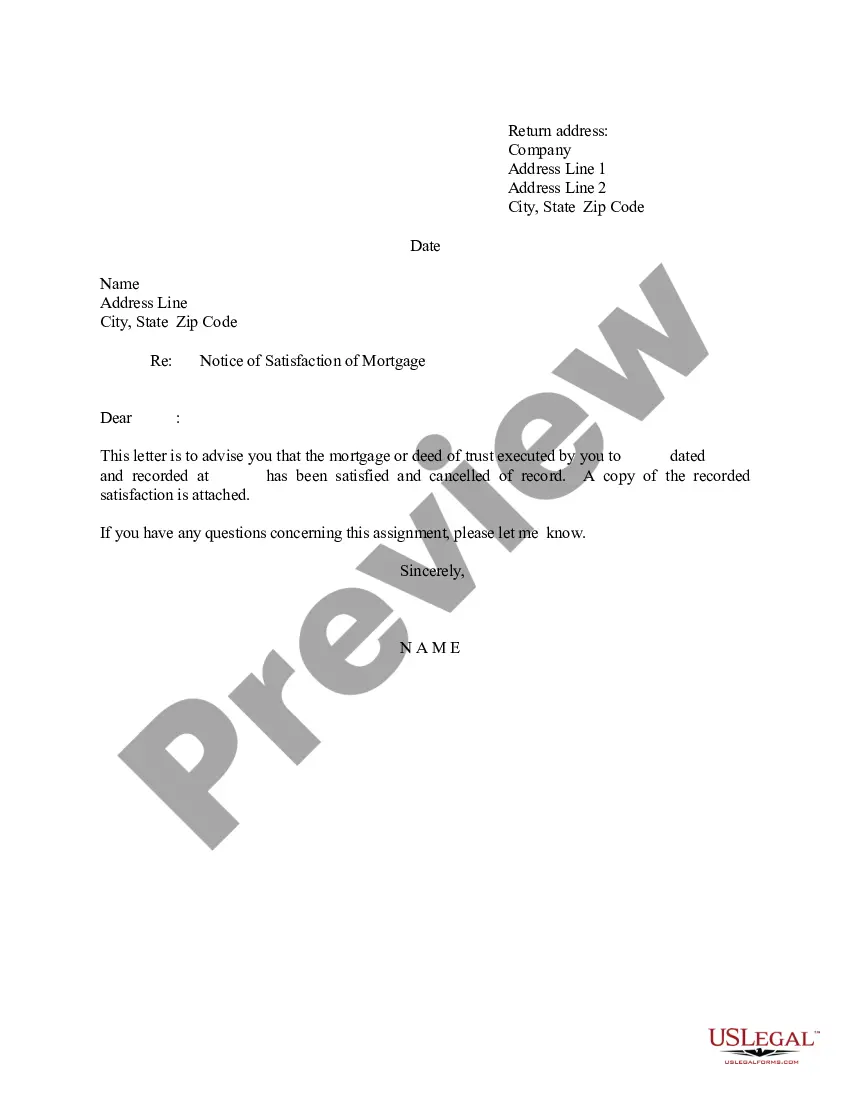
Get your form ready online
Our built-in tools help you complete, sign, share, and store your documents in one place.
Make edits, fill in missing information, and update formatting in US Legal Forms—just like you would in MS Word.
Download a copy, print it, send it by email, or mail it via USPS—whatever works best for your next step.
Sign and collect signatures with our SignNow integration. Send to multiple recipients, set reminders, and more. Go Premium to unlock E-Sign.
If this form requires notarization, complete it online through a secure video call—no need to meet a notary in person or wait for an appointment.
We protect your documents and personal data by following strict security and privacy standards.

Make edits, fill in missing information, and update formatting in US Legal Forms—just like you would in MS Word.

Download a copy, print it, send it by email, or mail it via USPS—whatever works best for your next step.

Sign and collect signatures with our SignNow integration. Send to multiple recipients, set reminders, and more. Go Premium to unlock E-Sign.

If this form requires notarization, complete it online through a secure video call—no need to meet a notary in person or wait for an appointment.

We protect your documents and personal data by following strict security and privacy standards.
Looking for another form?




Form popularity
FAQ
Property taxes: The seller is responsible for paying the property taxes up to the time of closing. Closing costs: This is a catch-all term for any other fees that may be associated with the sale of a property, such as attorney fees, document preparation fees, and more.
To avoid capital gains tax on your home sale, it is essential to be aware of the strategies available to maximize your return. First, homeowners should take advantage of the capital gains tax exclusion if they have owned and lived in the property for at least two out of the five years prior to its sale.
FAQs: How Long Are You Liable After Selling a House in Florida? QuestionAnswer How long can a buyer bring a lawsuit for undisclosed defects? Generally, up to four years for fraud or misrepresentation and up to five years for breach of contract.3 more rows •
You are 65 years of age, or older, on January 1; You qualify for, and receive, the Florida Homestead Exemption; Your total 'Household Adjusted Gross Income' for everyone who lives on the property cannot exceed statutory limits.
At What Age Can You Stop Filing Taxes? Taxes aren't determined by age, so you will never age out of paying taxes. People who are 65 or older at the end of 2024 have to file a return for tax year 2024 (which is due in 2025) if their gross income is $16,550 or higher.
Exemption for longtime limited-income seniors: If you are 65 years old or older, and have had a permanent Florida residence for at least 25 years, you might be entitled to a 100% exemption. Your eligibility for this exemption depends on the county or city where you live, and your income must be below a specified limit.
Real estate owned by certain religious, charitable or educational entities that are used for religious, charitable or educational purposes is exempt from property taxation. An exemption must be applied for through the Property Appraiser's office. The exemption is not automatic.
As described by The Washington Post, buyers tend to be the ones to hire a title and escrow companies in some parts of the U.S. The practice often falls upon the seller in Florida, with exceptions usually in Broward and Miami-Dade.
