Escrow Seller Does For Seller In King
Description

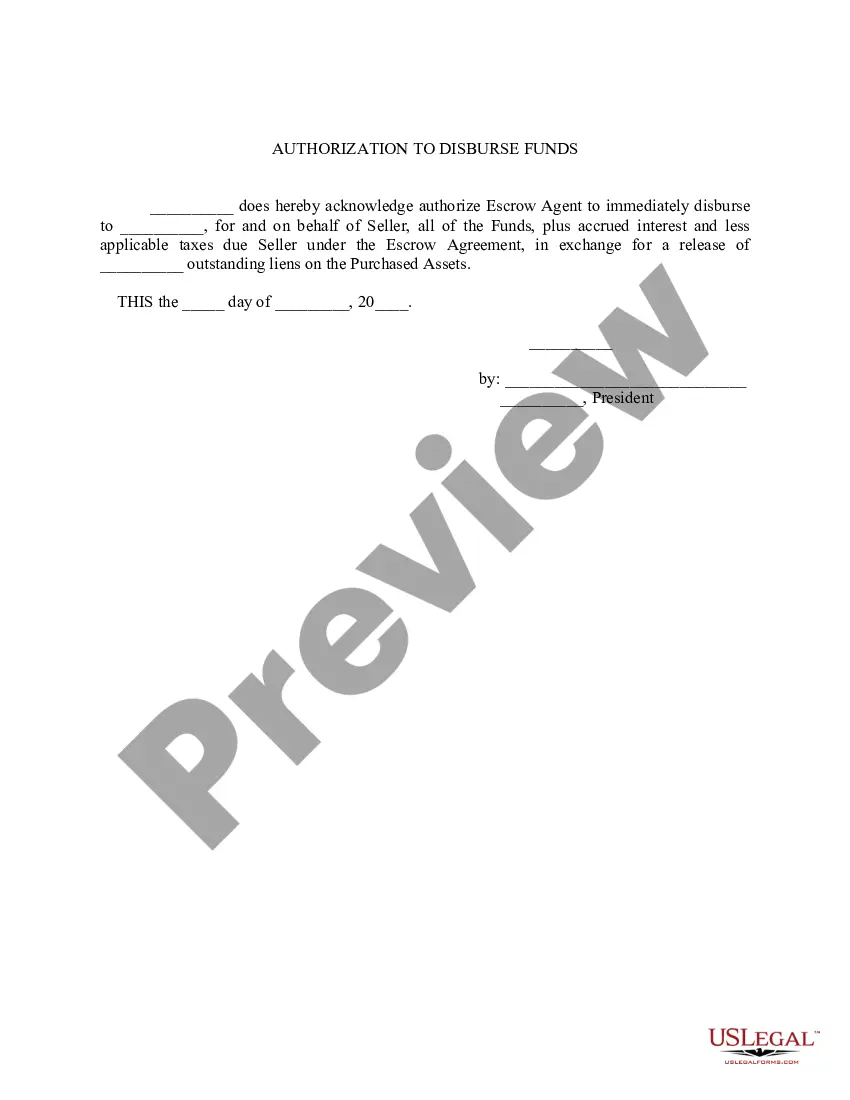
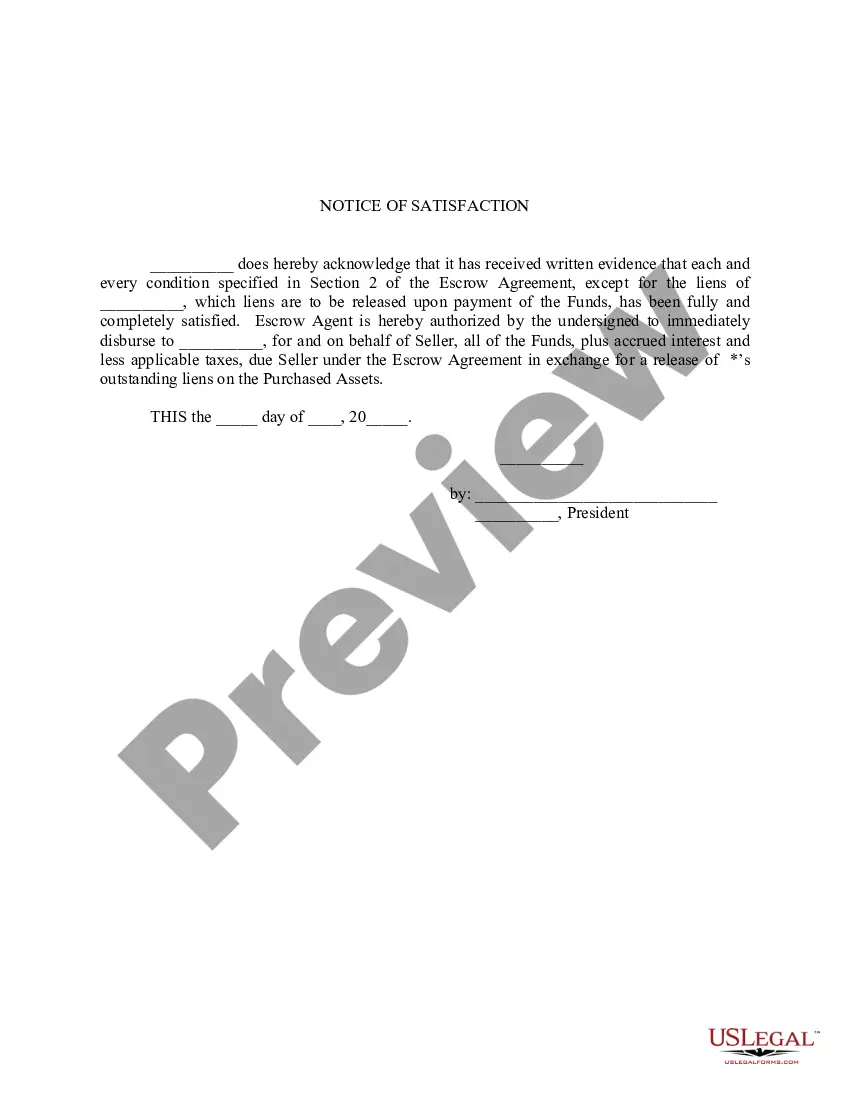
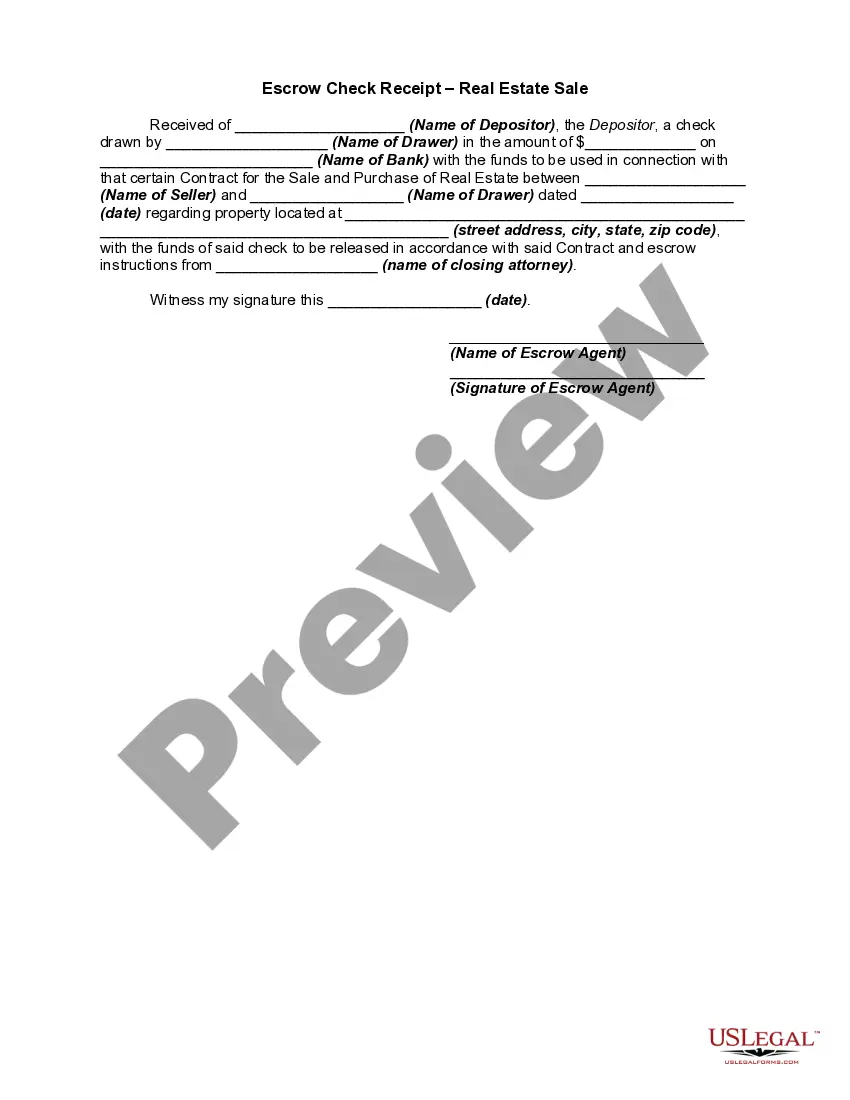
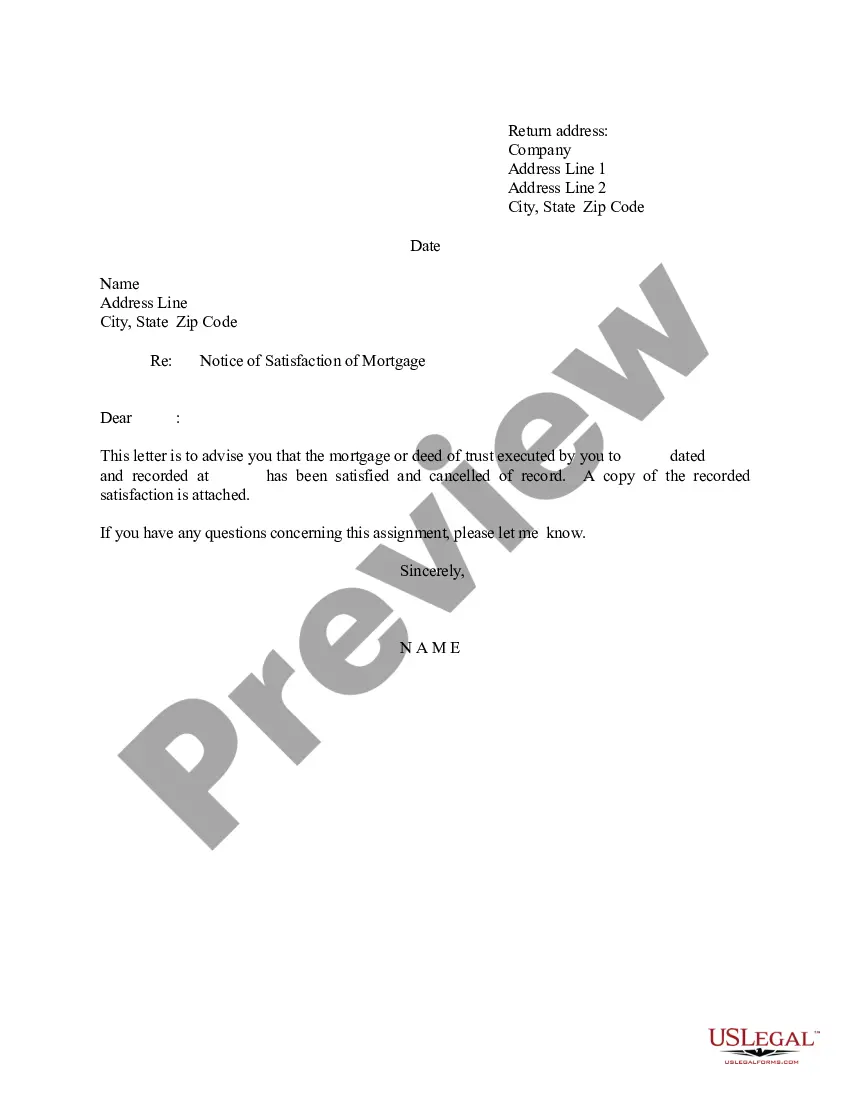
Get your form ready online
Our built-in tools help you complete, sign, share, and store your documents in one place.
Make edits, fill in missing information, and update formatting in US Legal Forms—just like you would in MS Word.
Download a copy, print it, send it by email, or mail it via USPS—whatever works best for your next step.
Sign and collect signatures with our SignNow integration. Send to multiple recipients, set reminders, and more. Go Premium to unlock E-Sign.
If this form requires notarization, complete it online through a secure video call—no need to meet a notary in person or wait for an appointment.
We protect your documents and personal data by following strict security and privacy standards.

Make edits, fill in missing information, and update formatting in US Legal Forms—just like you would in MS Word.

Download a copy, print it, send it by email, or mail it via USPS—whatever works best for your next step.

Sign and collect signatures with our SignNow integration. Send to multiple recipients, set reminders, and more. Go Premium to unlock E-Sign.

If this form requires notarization, complete it online through a secure video call—no need to meet a notary in person or wait for an appointment.

We protect your documents and personal data by following strict security and privacy standards.
Looking for another form?



Form popularity
FAQ
An escrow account provides a secure and impartial way to protect both buyer and seller during a transaction by not releasing the funds until all conditions have been met. This can help prevent fraud, mismanagement and other problems that can arise.
The person who pays for the policy selects the title insurance company. Be sure that any title company you select meets your standards and those of your lender. Ultimately, the choice of which title insurance company to select is yours.
The answer is no! A broker acts as a representative for a buyer or seller, while an escrow agent is a neutral party. While a broker may facilitate a contract, the escrow agent is responsible for ensuring all the terms are met to close.
What is an Escrow? An Escrow is an arrangement for a third party to hold the assets of a transaction temporarily. The assets are kept in a third-party account and are only released when all terms of the agreement have been met. The use of an escrow account in a transaction adds a degree of safety for both parties.
If you're buying a home in Canada, it's possible that you'll never hear the term “escrow” used by your lender when you're setting up your mortgage. The more commonly used term is “property tax account.” But that's OK.
For example, in Southern California, it is common for the buyer to select the escrow company, whereas, in Northern California, the seller might make the choice.
Buyers have the liberty to select the California title company that aligns with their preferences, financial considerations, and trusted recommendations from professional real estate agents or lenders.
Who are the best title companies? First American Title Insurance Company. Old Republic National Title Insurance Company. Attorney's Title Insurance Funds, Inc. Chicago Title Insurance Company. Fidelity National Title Insurance Company.
Escrow instructions refer to the specific guidelines and conditions set by the parties involved in a transaction, which govern the management and disbursement of funds or documents held by an escrow agent until all obligations and contingencies in the transaction are met.
