Difference Between Satisfaction And Satisfactory In King
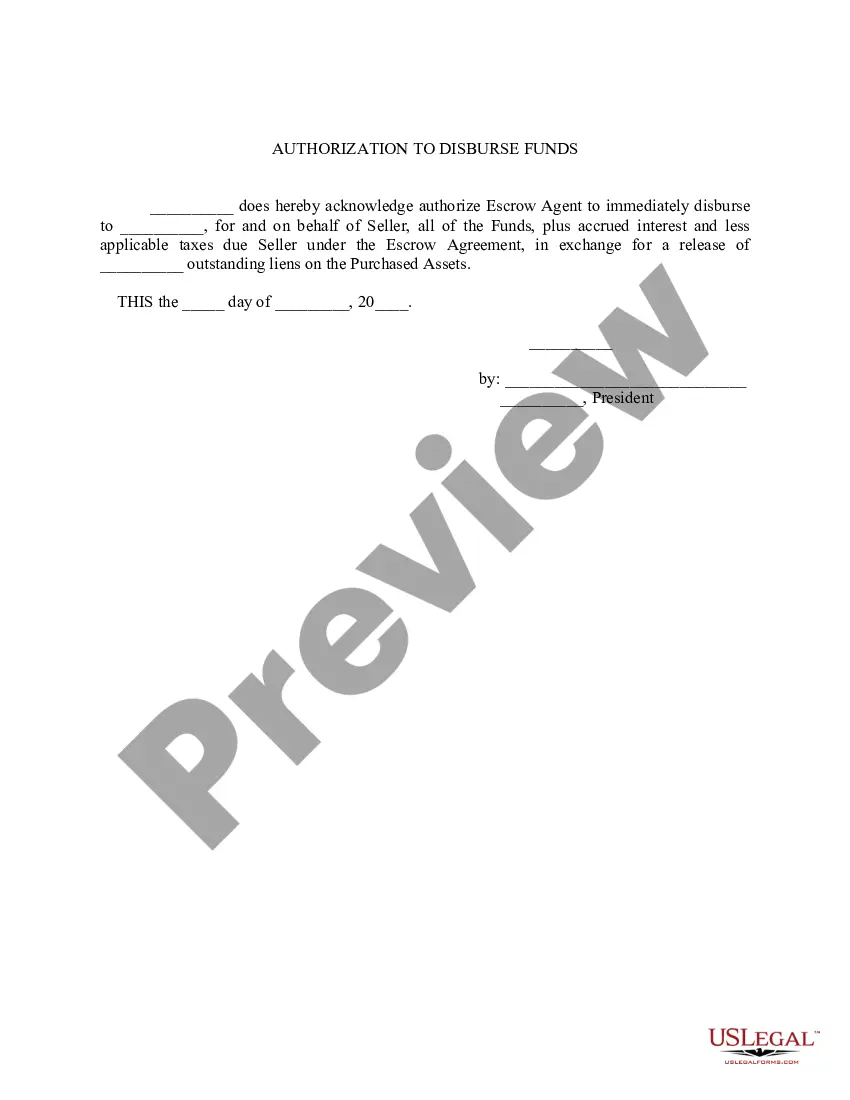
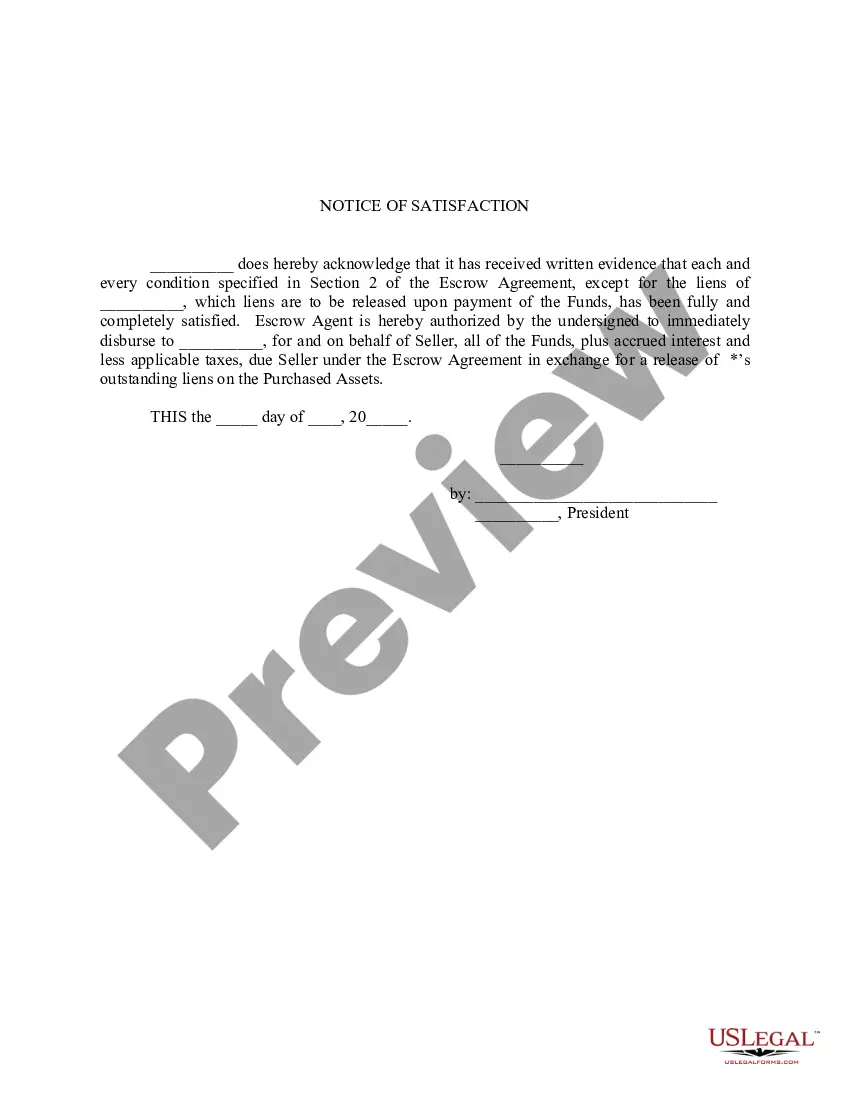
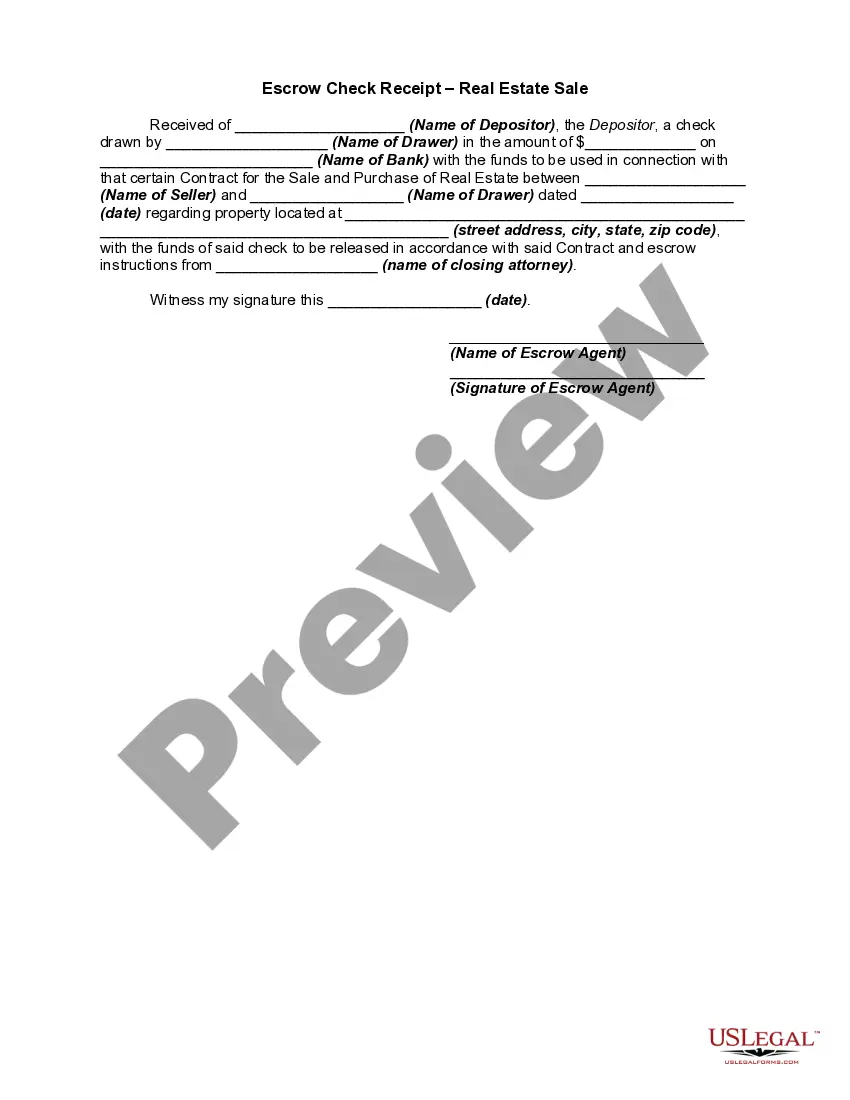
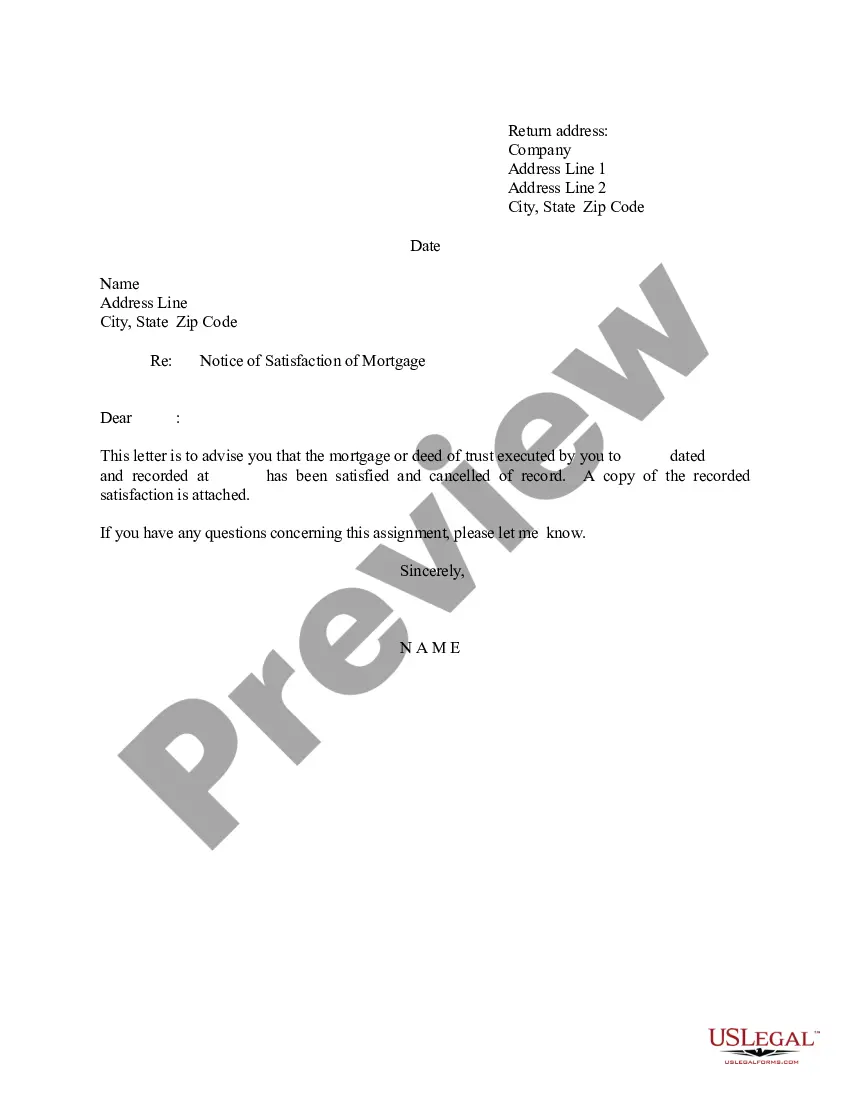
Description

Get your form ready online
Our built-in tools help you complete, sign, share, and store your documents in one place.
Make edits, fill in missing information, and update formatting in US Legal Forms—just like you would in MS Word.
Download a copy, print it, send it by email, or mail it via USPS—whatever works best for your next step.
Sign and collect signatures with our SignNow integration. Send to multiple recipients, set reminders, and more. Go Premium to unlock E-Sign.
If this form requires notarization, complete it online through a secure video call—no need to meet a notary in person or wait for an appointment.
We protect your documents and personal data by following strict security and privacy standards.

Make edits, fill in missing information, and update formatting in US Legal Forms—just like you would in MS Word.

Download a copy, print it, send it by email, or mail it via USPS—whatever works best for your next step.

Sign and collect signatures with our SignNow integration. Send to multiple recipients, set reminders, and more. Go Premium to unlock E-Sign.

If this form requires notarization, complete it online through a secure video call—no need to meet a notary in person or wait for an appointment.

We protect your documents and personal data by following strict security and privacy standards.
Looking for another form?





Form popularity
FAQ
Satisficing is a decision-making process that strives for adequate rather than perfect results. Satisficing aims to be pragmatic and saves on costs or expenditures. The term “satisfice” was coined by American scientist and Nobel laureate Herbert Simon in 1956.
Well Ha, thank you very much for your question about the difference between "satisfying" and "satisfactory". "Satisfactory" means that something is adequate, or acceptable. Whereas "satisfying" means that something meets your needs or requirements and has positive associations.
Well Ha, thank you very much for your question about the difference between "satisfying" and "satisfactory". "Satisfactory" means that something is adequate, or acceptable. Whereas "satisfying" means that something meets your needs or requirements and has positive associations.
Satisficing—a combination of the words “satisfy” and “suffice”—means settling for a less-than-perfect solution when working with limited information. Optimizing involves collecting as much data as possible and trying to find the optimal choice.
Examples: Her new job is satisfactory (this means she'd rather have that than nothing at all, but if a better opportunity arose, she'd go for it). Her new job is satisfying (this means whilst it is not the best, in that moment she is happy and feels good about it).
If something's satisfactory it's okay — acceptable, but maybe not great. When you take a course pass/fail, your grade will be satisfactory if you meet all the requirements and do a reasonable job, or unsatisfactory if you don't. Try not to confuse satisfactory and satisfying.
Satisfying: It means fulfilling a need or desire in a way that brings contentment or great pleasure. Satisficing: This is a term that combines "satisfy" and "suffice." It refers to accepting an option that meets the minimum criteria for acceptability, rather than seeking the best possible outcome.
A gratifying experience is quietly pleasing or satisfying. But gratifying an impulse means giving in to it, which isn't always such a good idea, and "instant gratification" of every desire will result in a life based on junk food and worse.
