Escrow Seller Does For Sale In Florida
Description

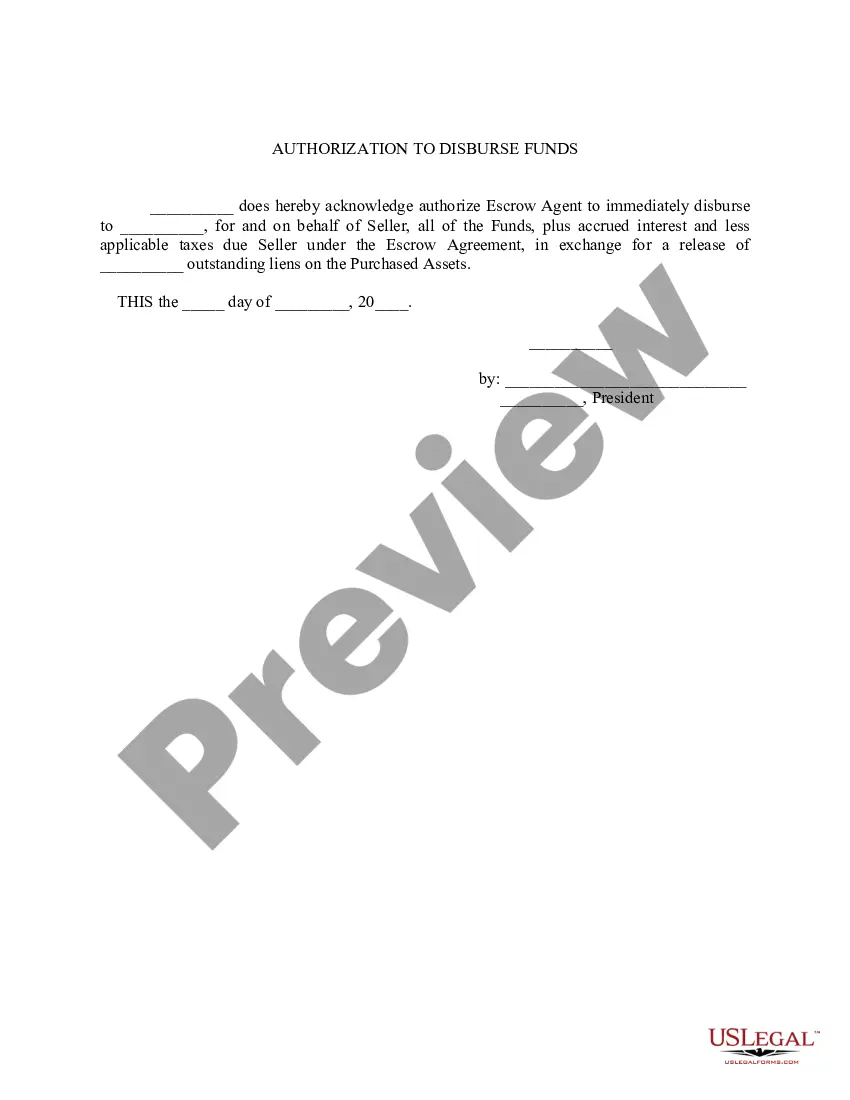
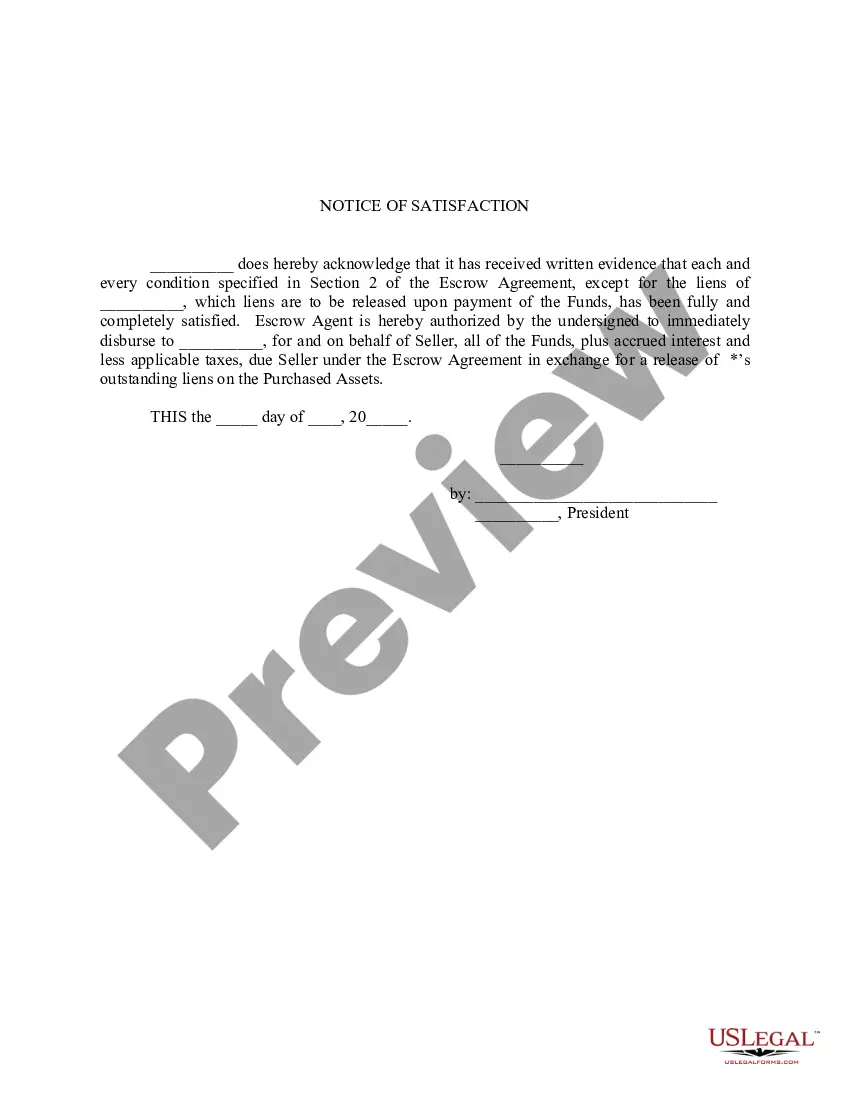
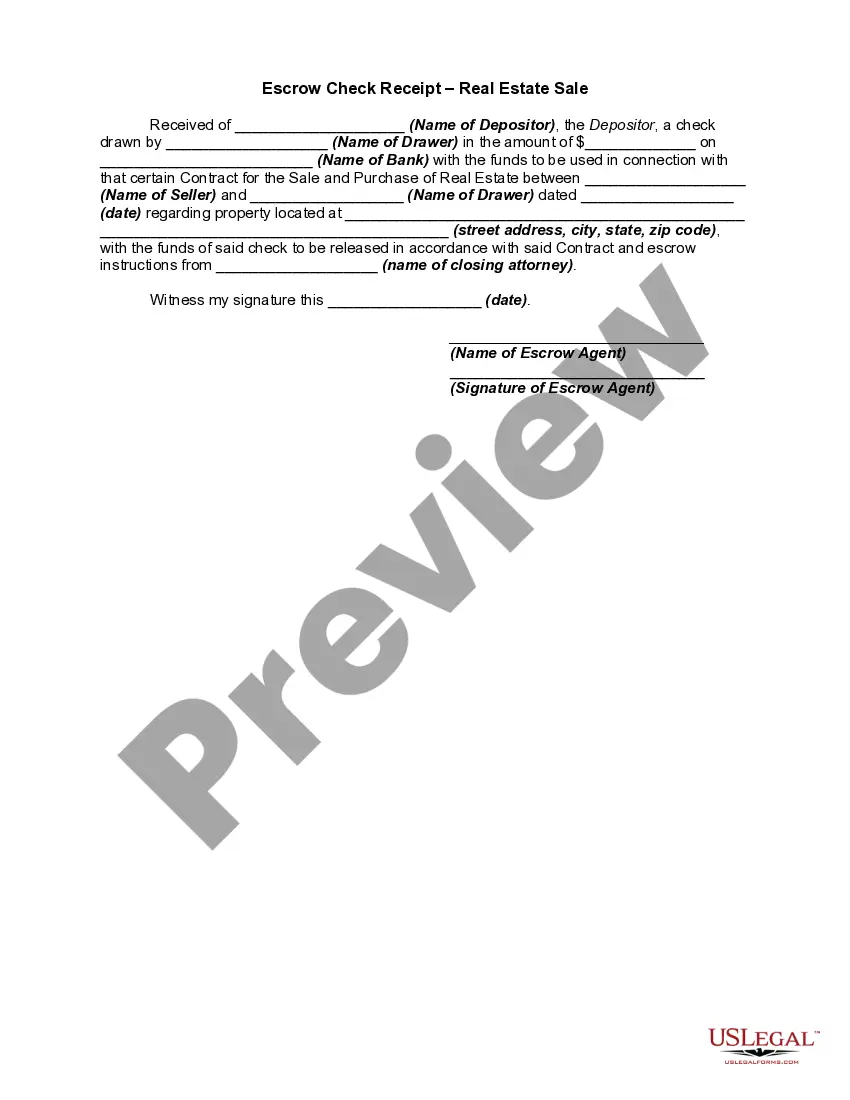
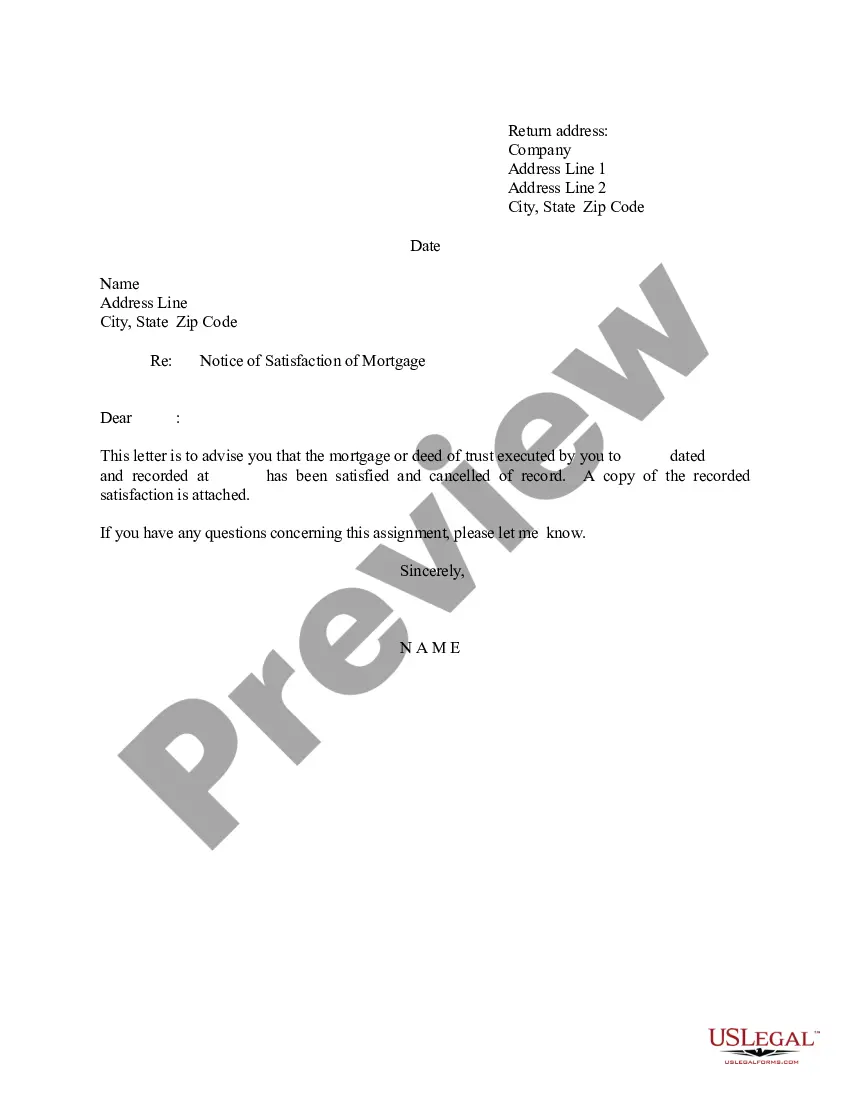
Get your form ready online
Our built-in tools help you complete, sign, share, and store your documents in one place.
Make edits, fill in missing information, and update formatting in US Legal Forms—just like you would in MS Word.
Download a copy, print it, send it by email, or mail it via USPS—whatever works best for your next step.
Sign and collect signatures with our SignNow integration. Send to multiple recipients, set reminders, and more. Go Premium to unlock E-Sign.
If this form requires notarization, complete it online through a secure video call—no need to meet a notary in person or wait for an appointment.
We protect your documents and personal data by following strict security and privacy standards.

Make edits, fill in missing information, and update formatting in US Legal Forms—just like you would in MS Word.

Download a copy, print it, send it by email, or mail it via USPS—whatever works best for your next step.

Sign and collect signatures with our SignNow integration. Send to multiple recipients, set reminders, and more. Go Premium to unlock E-Sign.

If this form requires notarization, complete it online through a secure video call—no need to meet a notary in person or wait for an appointment.

We protect your documents and personal data by following strict security and privacy standards.
Looking for another form?






Form popularity
FAQ
How Using Different Escrow Companies Works In Florida. Florida real estate regulations make it clear that sellers cannot force a buyer to use their preferred title/escrow company of the sale. In fact, state law doesn't require sellers or buyers to use escrow companies, nor demand they use the same one if they do.
Keeping the Escrow Funds: A third-party will oversee the escrow account until the closing date. This is done in ance with Florida Statutes § 651.033, which state that a certified financial institution must hold the escrow funds for the duration of the transaction. There's a clear logic behind this law.
Common closing costs for sellers include Realtor commission fees, fees related to paying off their existing mortgage and transfer taxes, which in Florida are called documentary stamp taxes.
In this situation, you may wonder if there is a way to cut costs – such as by not hiring a lawyer to handle the transaction. In Florida, you are not required to use a lawyer when buying or selling a home. That being said, real estate transactions are legal matters and are full of potential pitfalls.
Either party can select the Escrow Agent by completing the appropriate section of the Contract. Often, the party selecting the Closing/Title Agent fills in their desired Escrow Agent on the first page of the contract.
As such, an escrow holder is entitled to file an action of interpleader and for declaratory relief to ask a court of competent jurisdiction to resolve the controversies and to direct the escrow holder on how to proceed. Properly drawn and executed escrow instructions become an enforceable contract/agreement.
As such, an escrow holder is entitled to file an action of interpleader and for declaratory relief to ask a court of competent jurisdiction to resolve the controversies and to direct the escrow holder on how to proceed. Properly drawn and executed escrow instructions become an enforceable contract/agreement.
When the buyer and the seller cannot come to an agreement on the release of funds, an escrow officer may file an interpleader action with the court. An interpleader action is a legal procedure where a neutral third party, such as an escrow officer, deposits the disputed funds with the court.
