Escrow Seller Does For Property Taxes In Contra Costa
Description

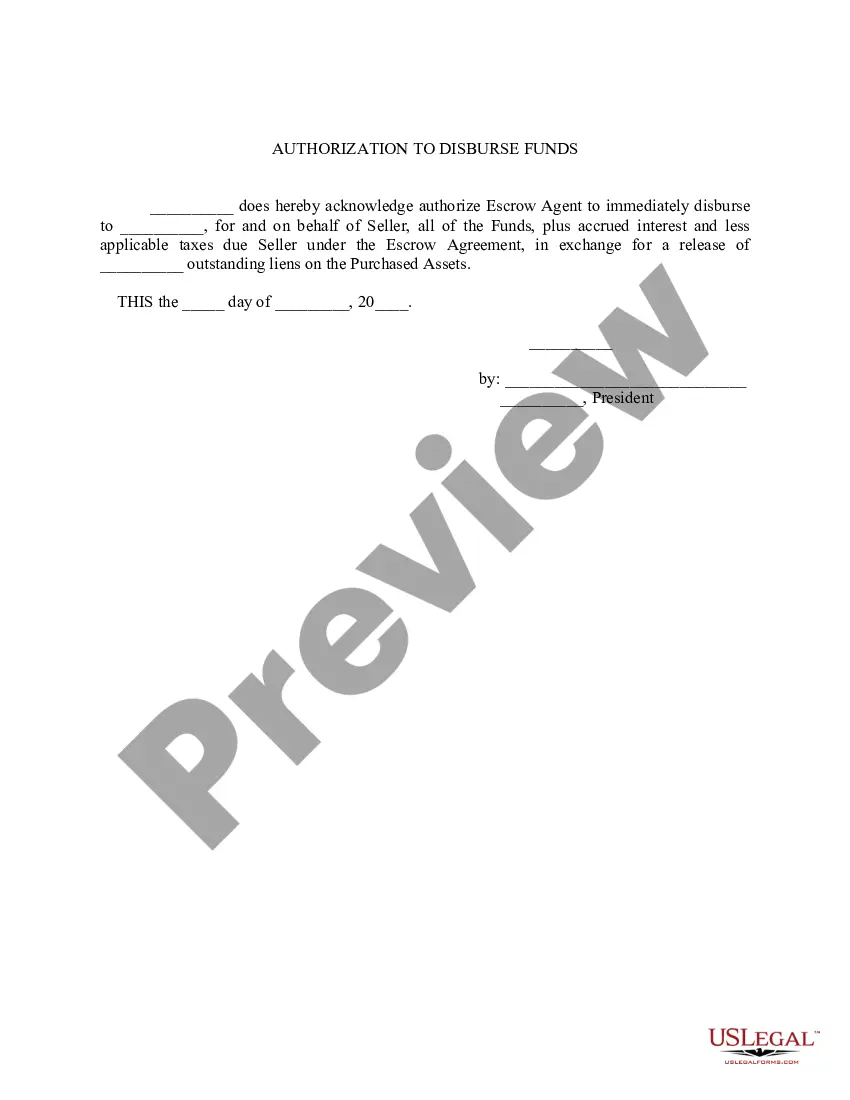
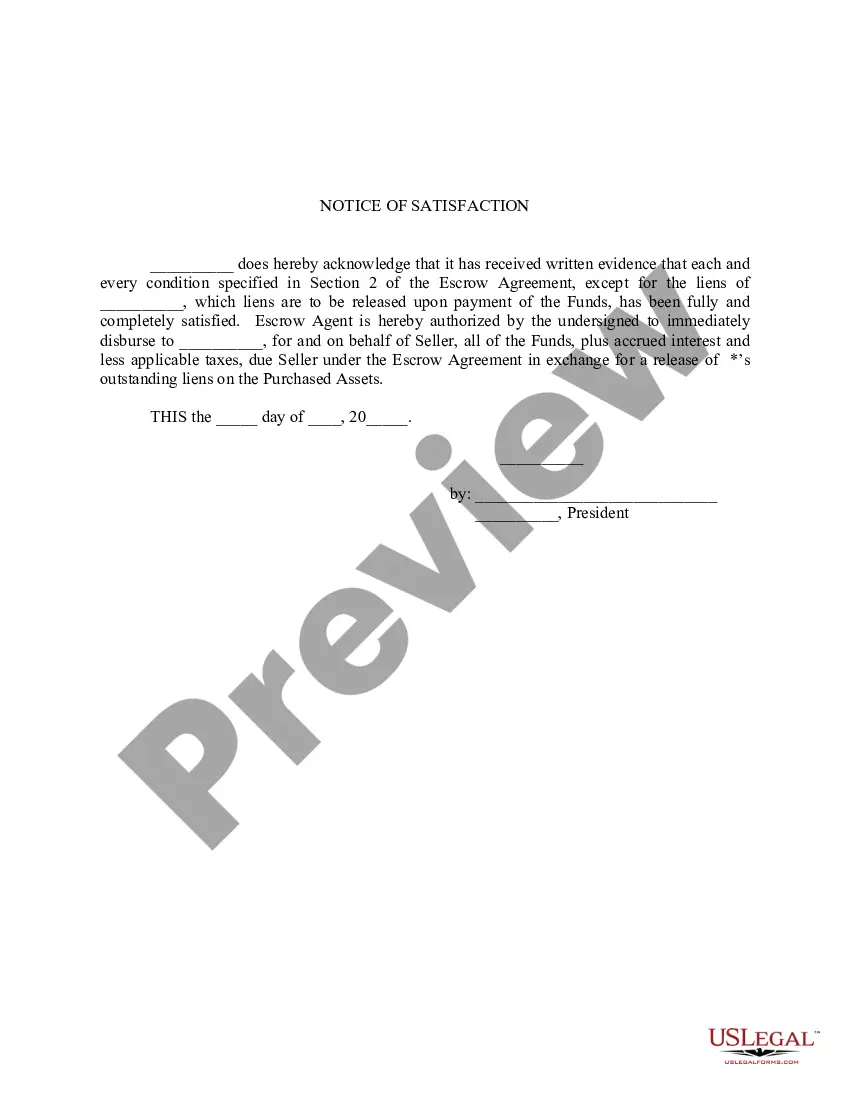
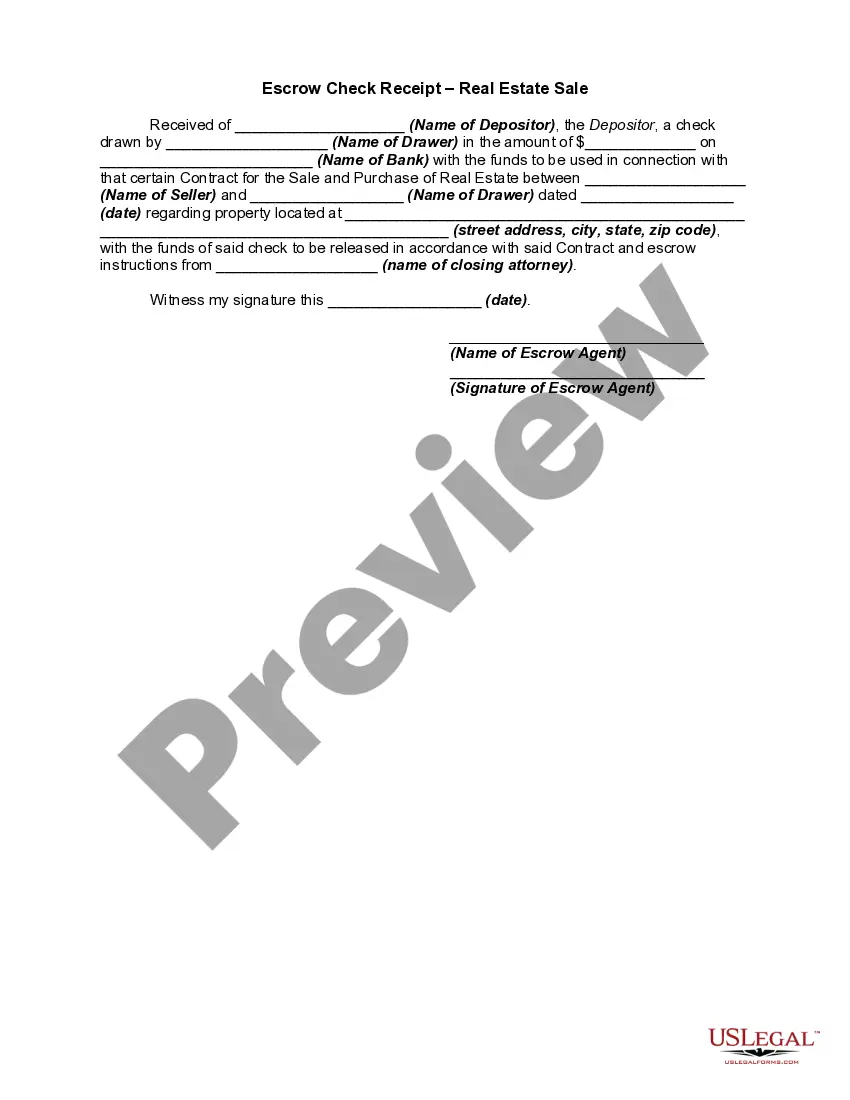
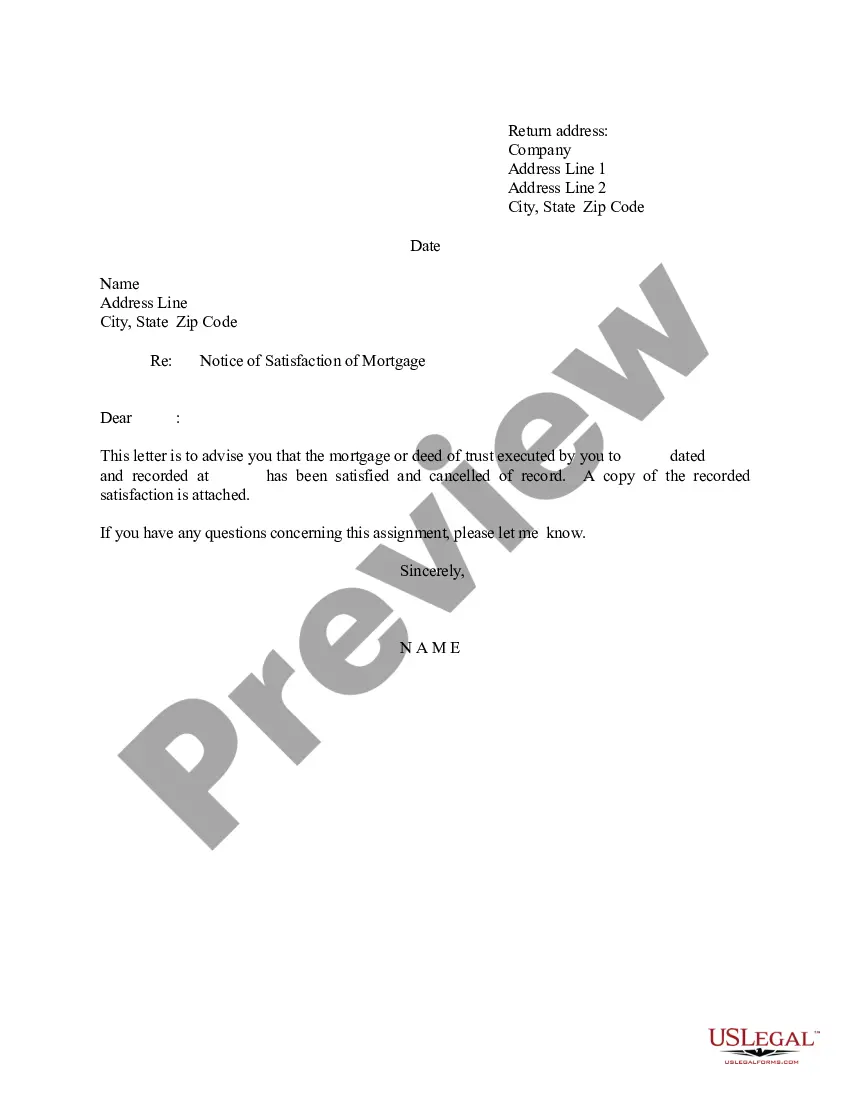
Get your form ready online
Our built-in tools help you complete, sign, share, and store your documents in one place.
Make edits, fill in missing information, and update formatting in US Legal Forms—just like you would in MS Word.
Download a copy, print it, send it by email, or mail it via USPS—whatever works best for your next step.
Sign and collect signatures with our SignNow integration. Send to multiple recipients, set reminders, and more. Go Premium to unlock E-Sign.
If this form requires notarization, complete it online through a secure video call—no need to meet a notary in person or wait for an appointment.
We protect your documents and personal data by following strict security and privacy standards.

Make edits, fill in missing information, and update formatting in US Legal Forms—just like you would in MS Word.

Download a copy, print it, send it by email, or mail it via USPS—whatever works best for your next step.

Sign and collect signatures with our SignNow integration. Send to multiple recipients, set reminders, and more. Go Premium to unlock E-Sign.

If this form requires notarization, complete it online through a secure video call—no need to meet a notary in person or wait for an appointment.

We protect your documents and personal data by following strict security and privacy standards.
Looking for another form?



Form popularity
FAQ
The Seller is only responsible for making tax payments that come due during the time period that the Seller owns the property. On the day of closing, the Buyer is the owner of the property, and the Buyer is responsible for tax bills that come due on or after that date.
- An Executor or Legal Representative Whether an executor or legal representative, they are responsible for paying the property taxes as long as the property is part of the estate.
Choosing the escrow company The seller's real estate agent usually chooses the escrow company. Make sure the escrow company is licensed and in good standing with the Department of Corporations by calling (866) 275-2677, or the Bureau of Real Estate at (213) 620-2072.
To set up your mortgage escrow account, the lender will calculate your annual tax and insurance payments, divide the amount by 12 and add the result to your monthly mortgage statement.
Overall limit As an individual, your deduction of state and local income, general sales, and property taxes is limited to a combined total deduction of $10,000 ($5,000 if married filing separately). You may be subject to a limit on some of your other itemized deductions also.
1. Senior Citizen Homeowners' Property Tax Exemption. The Senior Citizen Homeowners' Property Tax Exemption is available to homeowners who are at least 65 years old and meet certain income requirements.
Owner or joint owners Joint owners are required to nominate one of the joint owners as the designated liable person. A designated liable person is the person who is responsible for submitting LPT returns and making payments on behalf of: all joint owners, where a residential property is owned by more than one person.
By California law, whoever owns the property on January 1st of the current calendar year is responsible for taxes up until the close of escrow date. Once the close of escrow is completed, the new owner is responsible for that year's property taxes at a prorated amount.
