Escrow Seller Does For Repairs In Allegheny
Description

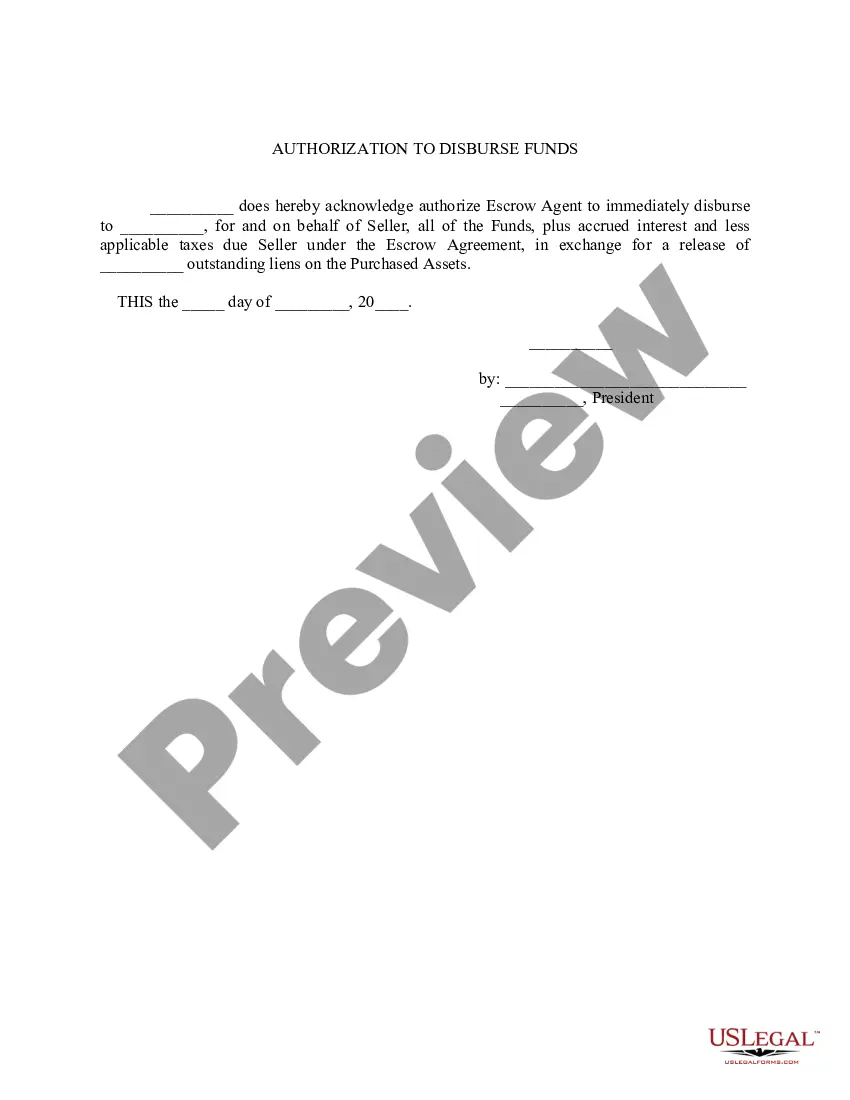
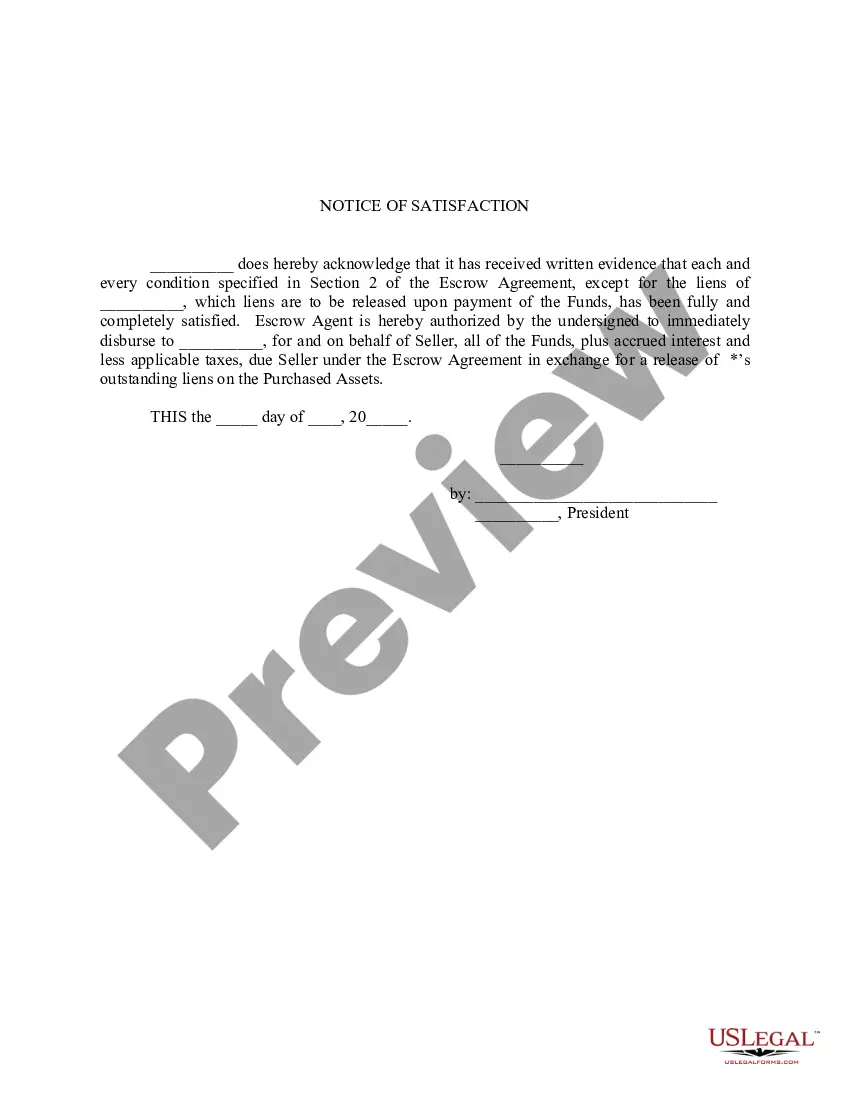
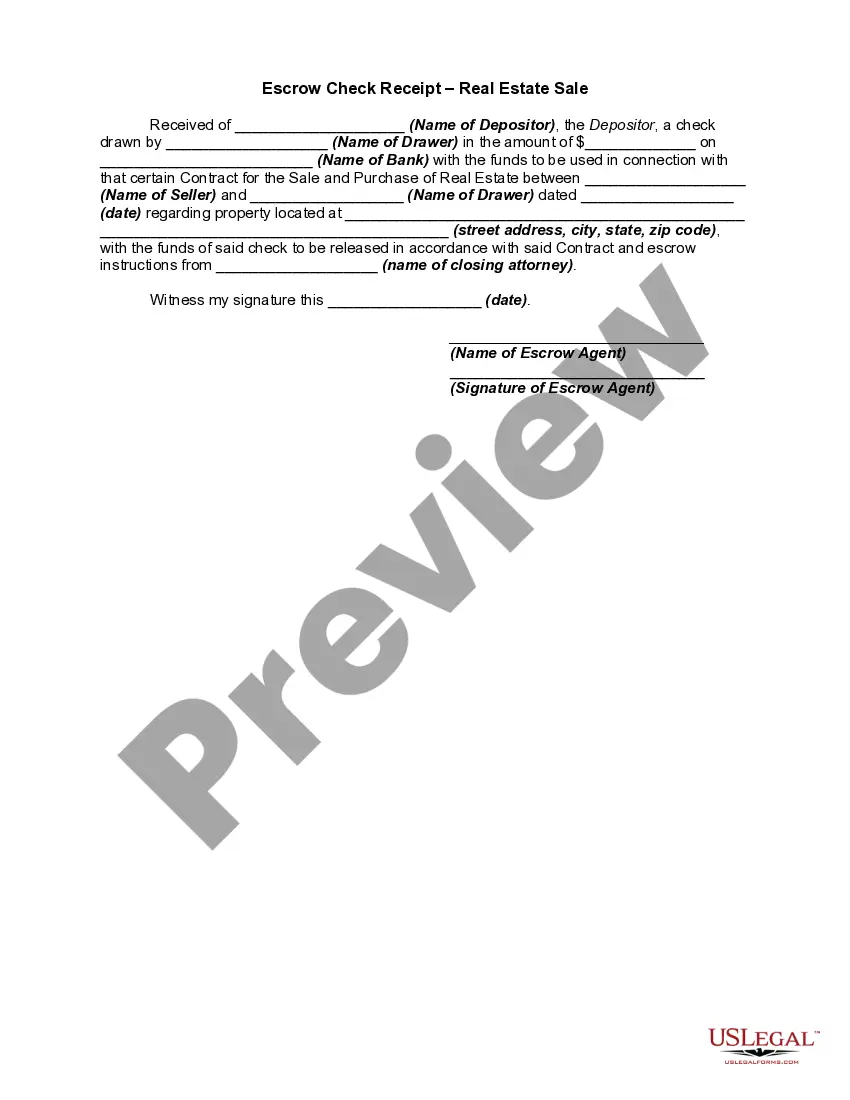
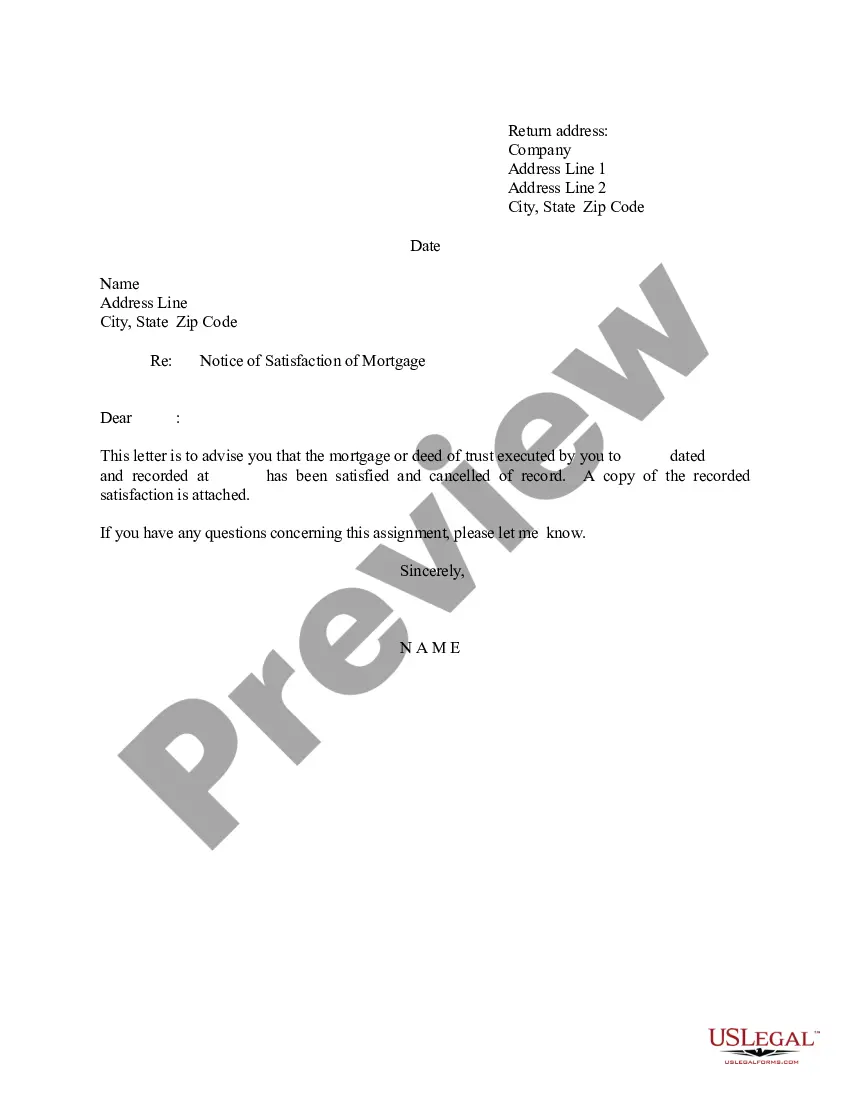
Get your form ready online
Our built-in tools help you complete, sign, share, and store your documents in one place.
Make edits, fill in missing information, and update formatting in US Legal Forms—just like you would in MS Word.
Download a copy, print it, send it by email, or mail it via USPS—whatever works best for your next step.
Sign and collect signatures with our SignNow integration. Send to multiple recipients, set reminders, and more. Go Premium to unlock E-Sign.
If this form requires notarization, complete it online through a secure video call—no need to meet a notary in person or wait for an appointment.
We protect your documents and personal data by following strict security and privacy standards.

Make edits, fill in missing information, and update formatting in US Legal Forms—just like you would in MS Word.

Download a copy, print it, send it by email, or mail it via USPS—whatever works best for your next step.

Sign and collect signatures with our SignNow integration. Send to multiple recipients, set reminders, and more. Go Premium to unlock E-Sign.

If this form requires notarization, complete it online through a secure video call—no need to meet a notary in person or wait for an appointment.

We protect your documents and personal data by following strict security and privacy standards.
Looking for another form?








Form popularity
FAQ
If a seller backs out without a contingency clause to justify the decision, they could face legal action from the buyer, including claims for damages.
In Ontario, the legal principle generally holds that the risk of loss or damage transfers from the seller to the buyer upon closing. This means that any issues discovered post-closing are likely the buyer's responsibility, unless the seller failed to disclose known defects or explicitly provided false warranties.
Ensuring the seller completes all repairs properly is crucial to protecting your investment. If the seller refuses to address the repairs, you might need to consider legal action. A real estate attorney can help you understand your legal options and the best course of action.
An escrow account provides a secure and impartial way to protect both buyer and seller during a transaction by not releasing the funds until all conditions have been met. This can help prevent fraud, mismanagement and other problems that can arise.
While some sort of response is typical, there is nothing illegal or unethical if a seller does not respond. A seller may dismiss an offer altogether if they believe it to be unreasonable, incomplete, or otherwise not in their best interests.
When Do Sellers Need to Respond to an Offer? While there is no legal deadline that sellers have to respond by, it is ideal for sellers to respond within 24 hours. Most sellers typically respond within 24 to 72 hours after receiving an offer.
An escrow holdback for repairs is a financial arrangement where a portion of the homebuyer's funds is withheld by the lender or escrow agent until specific repairs or improvements are completed. This arrangement is typically used when there are issues with the property that need attention before the sale can close.
NOTE: Paragraph 14B(2) of the RPA states that a seller is not obligated to agree or respond to any buyer requests. Although it is courteous for the seller to respond, no response from a seller should be interpreted as “NO” to all repairs asked for by the buyer.
