Court Letter Sample With Notice Period In Queens
Description



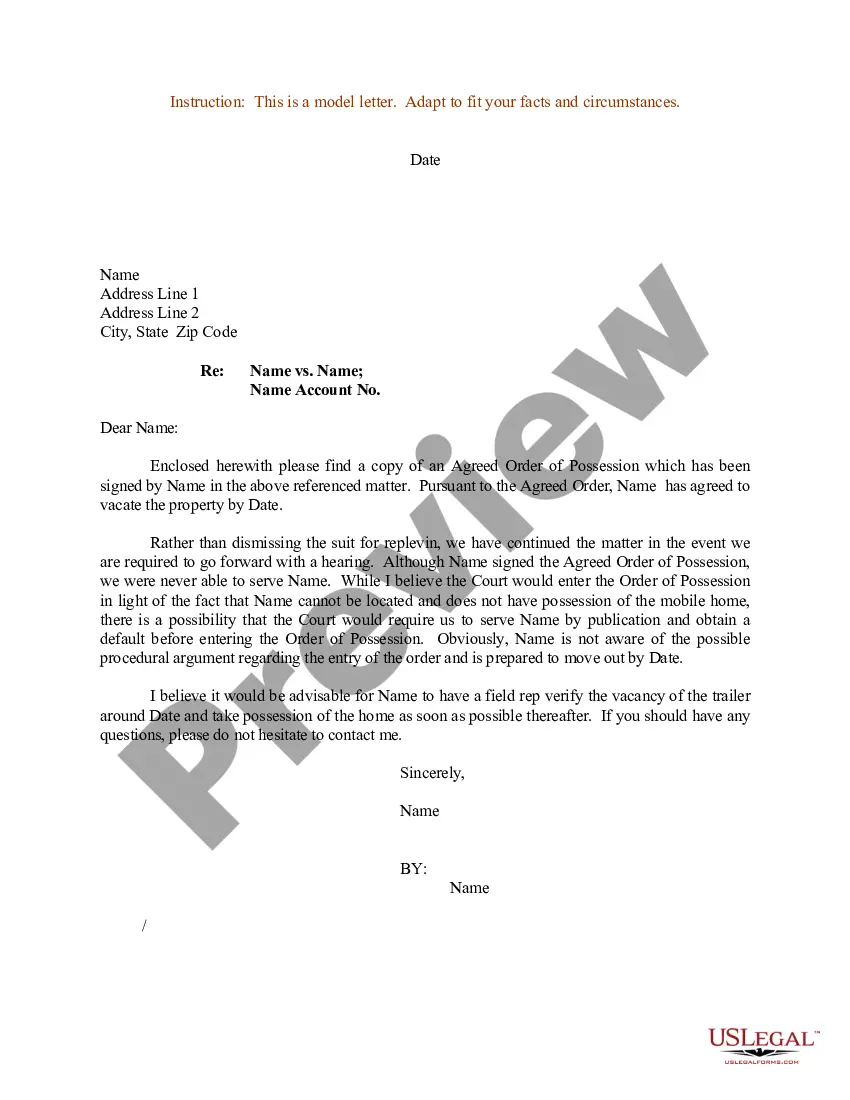
Get your form ready online
Our built-in tools help you complete, sign, share, and store your documents in one place.
Make edits, fill in missing information, and update formatting in US Legal Forms—just like you would in MS Word.
Download a copy, print it, send it by email, or mail it via USPS—whatever works best for your next step.
Sign and collect signatures with our SignNow integration. Send to multiple recipients, set reminders, and more. Go Premium to unlock E-Sign.
If this form requires notarization, complete it online through a secure video call—no need to meet a notary in person or wait for an appointment.
We protect your documents and personal data by following strict security and privacy standards.

Make edits, fill in missing information, and update formatting in US Legal Forms—just like you would in MS Word.

Download a copy, print it, send it by email, or mail it via USPS—whatever works best for your next step.

Sign and collect signatures with our SignNow integration. Send to multiple recipients, set reminders, and more. Go Premium to unlock E-Sign.

If this form requires notarization, complete it online through a secure video call—no need to meet a notary in person or wait for an appointment.

We protect your documents and personal data by following strict security and privacy standards.
Looking for another form?

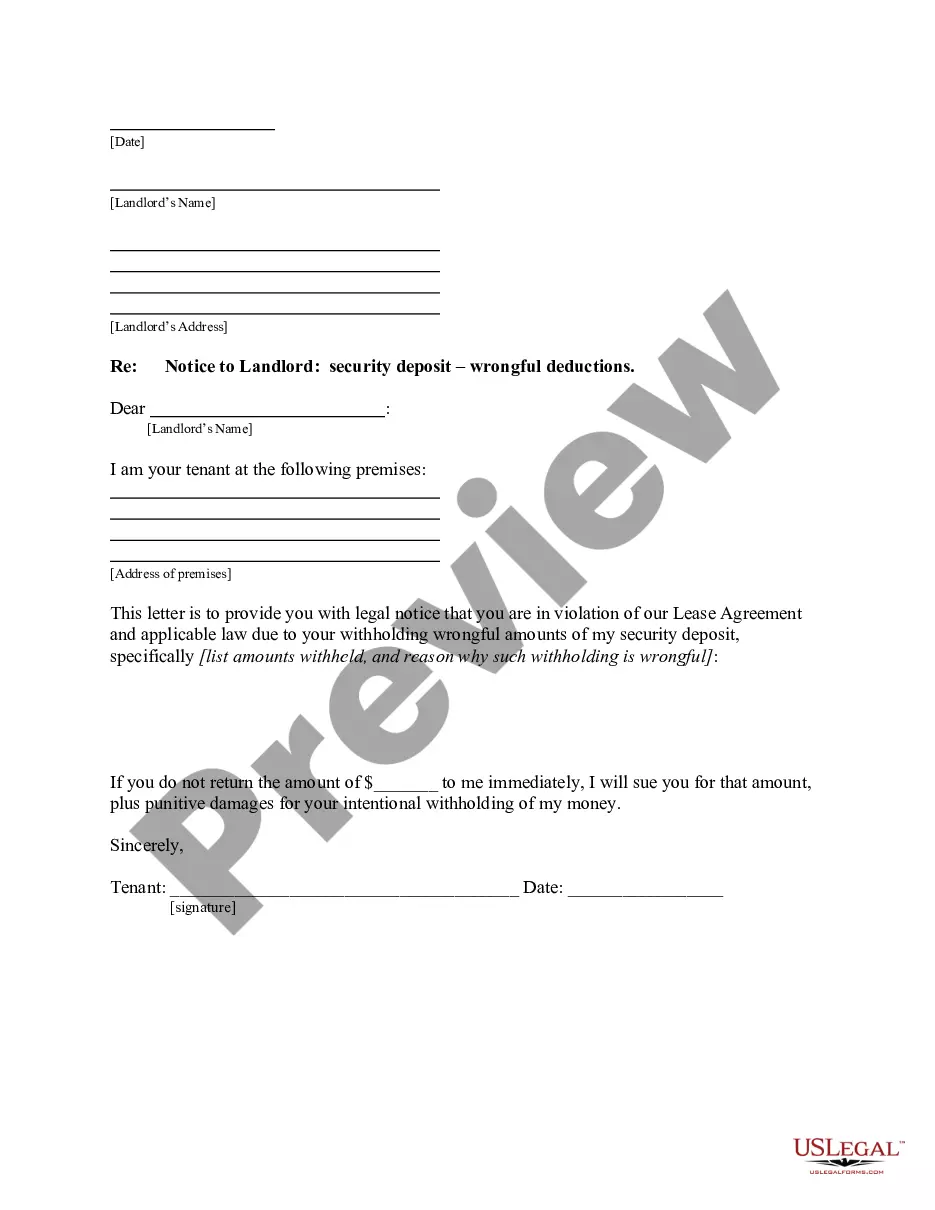
Form popularity
FAQ
A Notice of Intention to File a Claim is an optional document that a potential claimant may serve upon the defendant to extend the time period to serve and file a claim.
A summons with notice is a type of summons. The summons with notice is not served with the complaint. It contains all of the information described above for the summons, plus a brief description of the type of case and the relief the plaintiff is asking the court to grant.
A summons (also known in England and Wales as a claim form and in the Australian state of New South Wales as a court attendance notice (CAN)) is a legal document issued by a court (a judicial summons) or by an administrative agency of government (an administrative summons) for various purposes.
A summons with notice is a type of summons. The summons with notice is not served with the complaint. It contains all of the information described above for the summons, plus a brief description of the type of case and the relief the plaintiff is asking the court to grant.
What is a Summons? A summons (also sometimes called a “notice to appear”) is an official order to appear in court. If you are receiving a summons, it might mean that you have been directly charged with a crime or that someone is pressing civil charges against you.
A summons is a pre-printed legal form that tells a defendant that he or she is being sued. The defendant must file an appearance and responsive pleading or answer within 30 days of being served with the summons.
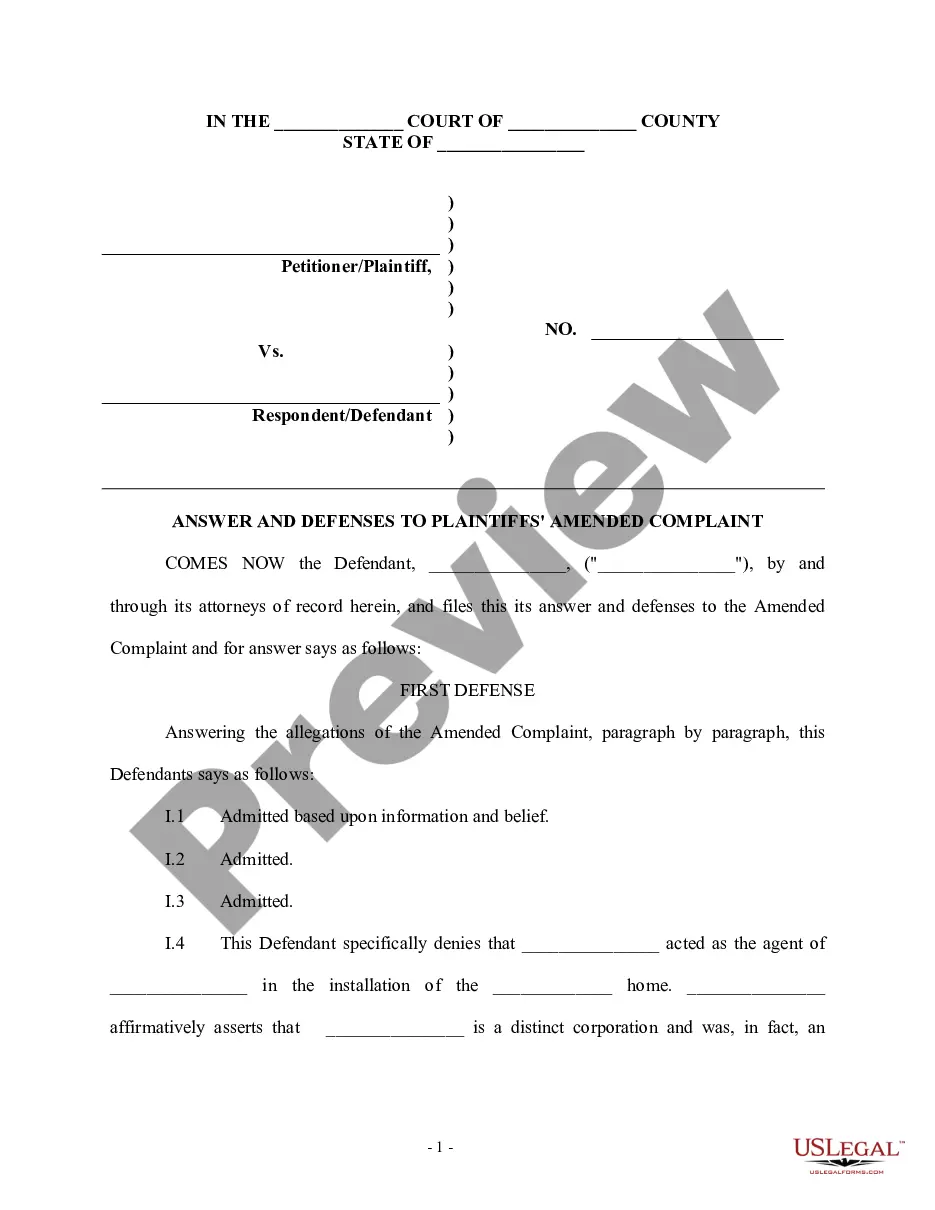
On a separate page or pages, write a short and plain statement of the answer to the allegations in the complaint. Number the paragraphs. The answer should correspond to each paragraph in the complaint, with paragraph 1 of the answer corresponding to paragraph 1 of the complaint, etc.
The Notice of Claim must be served on the municipal government agency, by personal delivery, or registered or certified mail. The service must be made upon a person designated by law to receive summonses in Supreme Court actions or an attorney regularly engaged in representing such public corporations.
To begin an action in Small Claims Court, a person, or someone acting on his or her behalf, must come to the Small Claims Court Clerk's office in the proper county and fill out a statement of claim. To find out where the clerk's office is located in your county, click on Locations.
An Order to Show Cause consists of a top page called an Order to Show Cause (OSC), followed by an Affidavit in Support of the OSC, and copies of any documents that the moving side (movant) thinks would help the Judge make a decision. The OSC tells the court and the other side what the movant wants the Judge to do.

