Escrow Seller Does For Taxes Mean In Alameda
Description

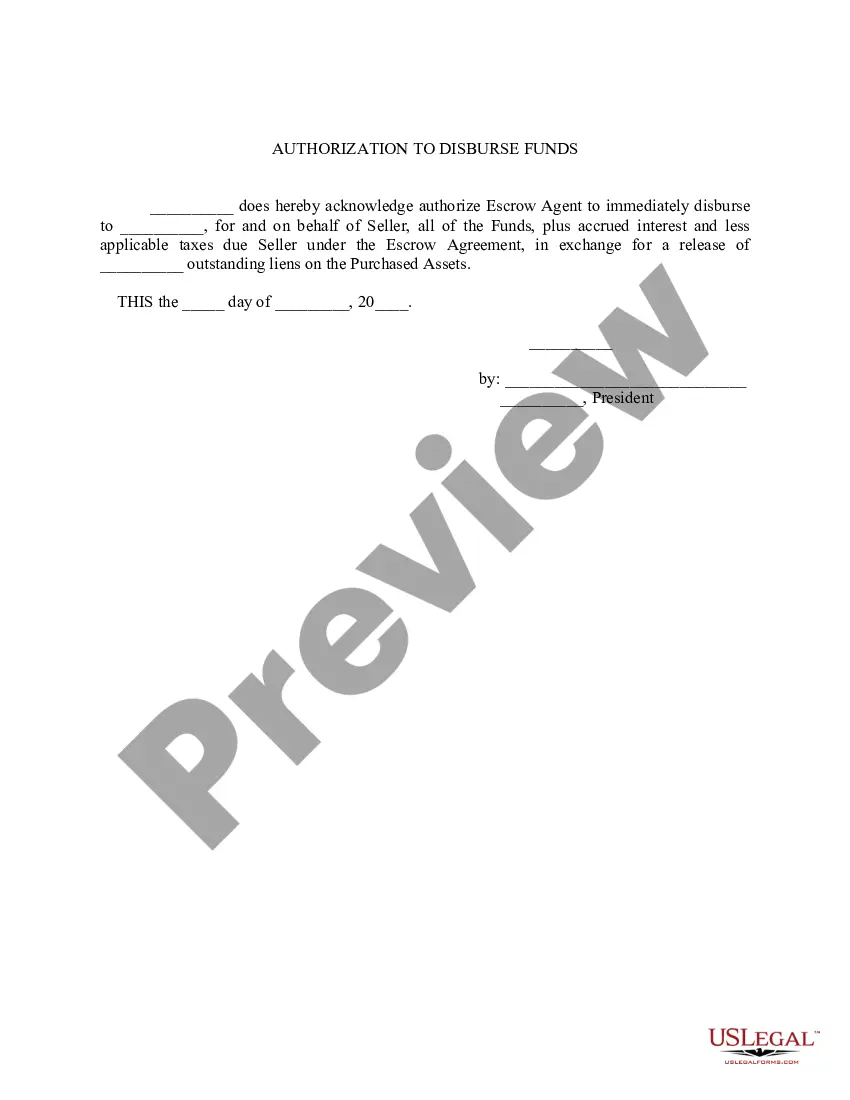
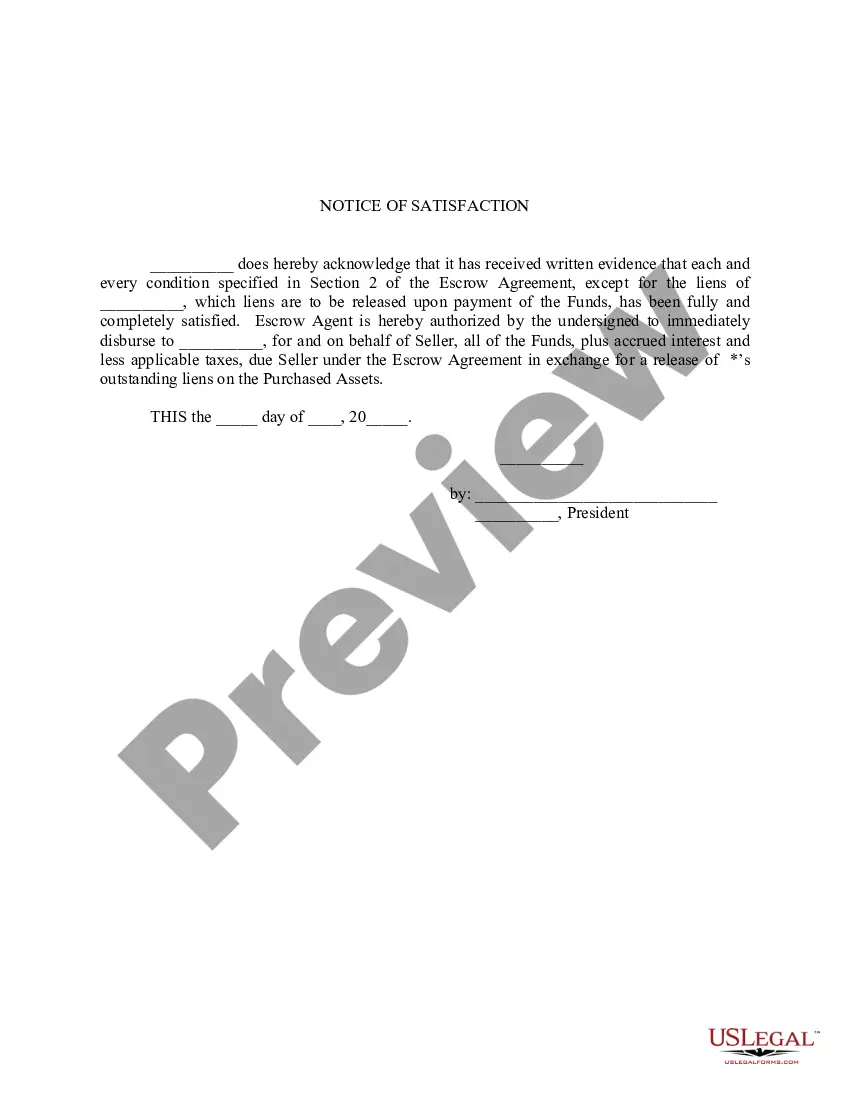
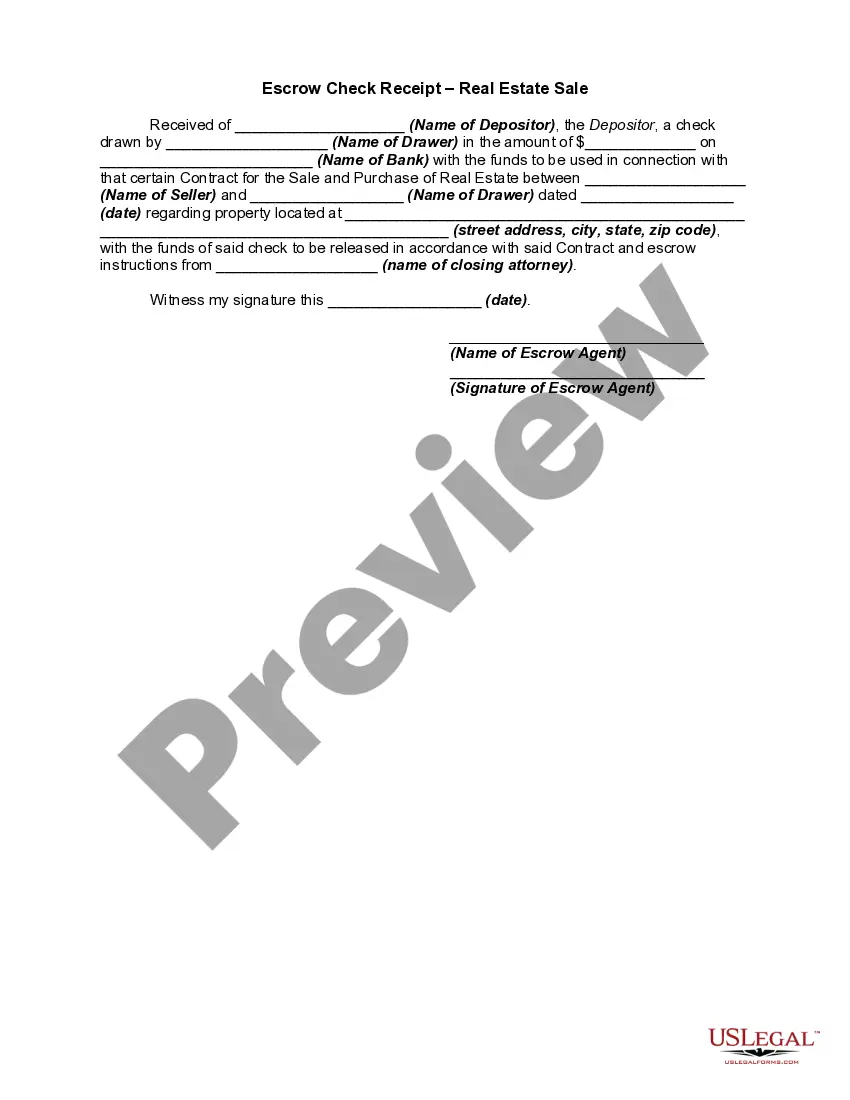
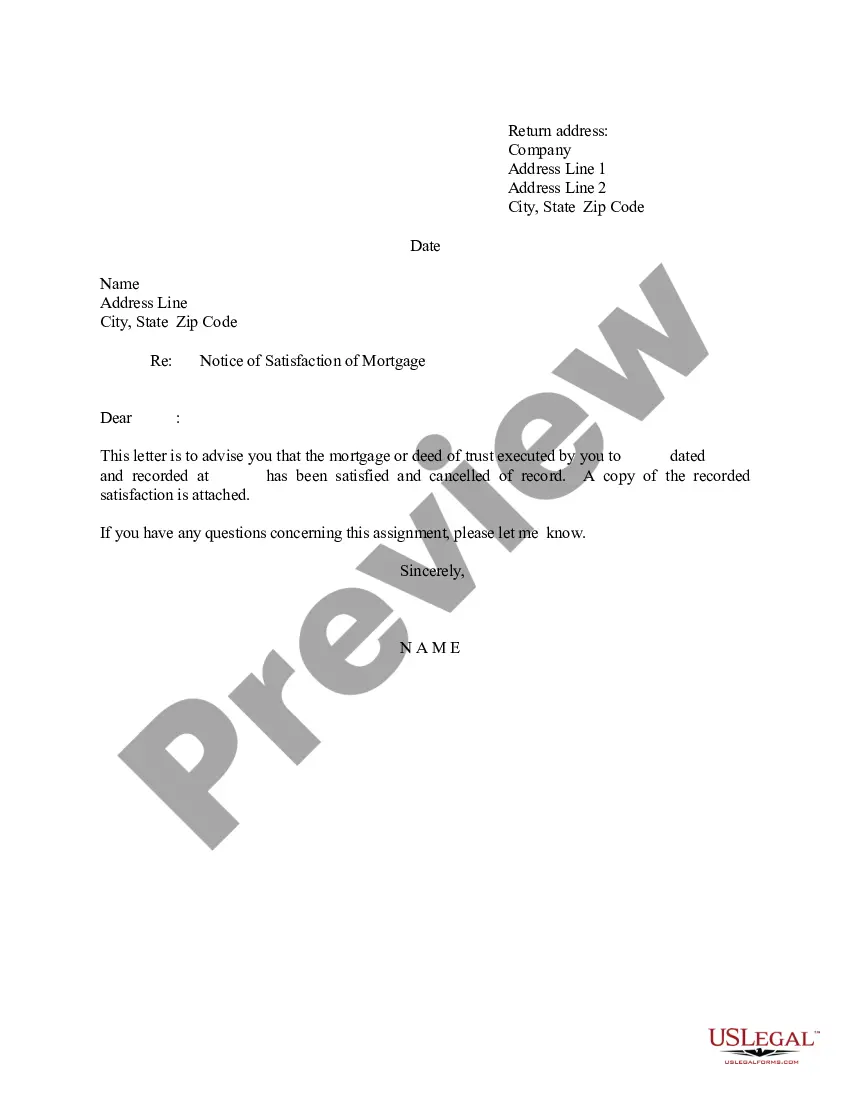
Get your form ready online
Our built-in tools help you complete, sign, share, and store your documents in one place.
Make edits, fill in missing information, and update formatting in US Legal Forms—just like you would in MS Word.
Download a copy, print it, send it by email, or mail it via USPS—whatever works best for your next step.
Sign and collect signatures with our SignNow integration. Send to multiple recipients, set reminders, and more. Go Premium to unlock E-Sign.
If this form requires notarization, complete it online through a secure video call—no need to meet a notary in person or wait for an appointment.
We protect your documents and personal data by following strict security and privacy standards.

Make edits, fill in missing information, and update formatting in US Legal Forms—just like you would in MS Word.

Download a copy, print it, send it by email, or mail it via USPS—whatever works best for your next step.

Sign and collect signatures with our SignNow integration. Send to multiple recipients, set reminders, and more. Go Premium to unlock E-Sign.

If this form requires notarization, complete it online through a secure video call—no need to meet a notary in person or wait for an appointment.

We protect your documents and personal data by following strict security and privacy standards.
Looking for another form?








Form popularity
FAQ
What is an Escrow? An Escrow is an arrangement for a third party to hold the assets of a transaction temporarily. The assets are kept in a third-party account and are only released when all terms of the agreement have been met. The use of an escrow account in a transaction adds a degree of safety for both parties.
For example, in Southern California, it is common for the buyer to select the escrow company, whereas, in Northern California, the seller might make the choice.
Currently, the escrow states are: Alaska, Arizona, California, Hawaii, Idaho, Nevada, New Mexico, parts of Ohio, Oregon, Utah and Washington. States that structure closings differently. You and the seller are not required to be in the same location.
Certainly real estate commissions are negotiable but an often overlooked point is escrow fees can also be negotiated with the escrow holder.
For example, in Southern California, it is common for the buyer to select the escrow company, whereas, in Northern California, the seller might make the choice.
The buyer will choose the title and escrow com- pany. Orange Coast Title would love the opportunity to service your needs. The seller will then accept, counter or reject the offer.
As a general rule, Escrow Charges are split 50/50 between the buyer and seller. There are exceptions, notably in San Francisco buyers are expected to cover Escrow fees. These fees vary far more and it's worth checking your particular county guidelines.
If you meet all of the following requirements, you are not required to file Form 709. You made no gifts during the year to your spouse. You did not give more than $18,000 to any one donee. All the gifts you made were of present interests.
Escrow fees are charged for the services of an escrow agent who acts as a neutral party in the transaction, holding and disbursing funds as needed. These fees are typically split between the buyer and seller, but the exact split can be a point of negotiation.
