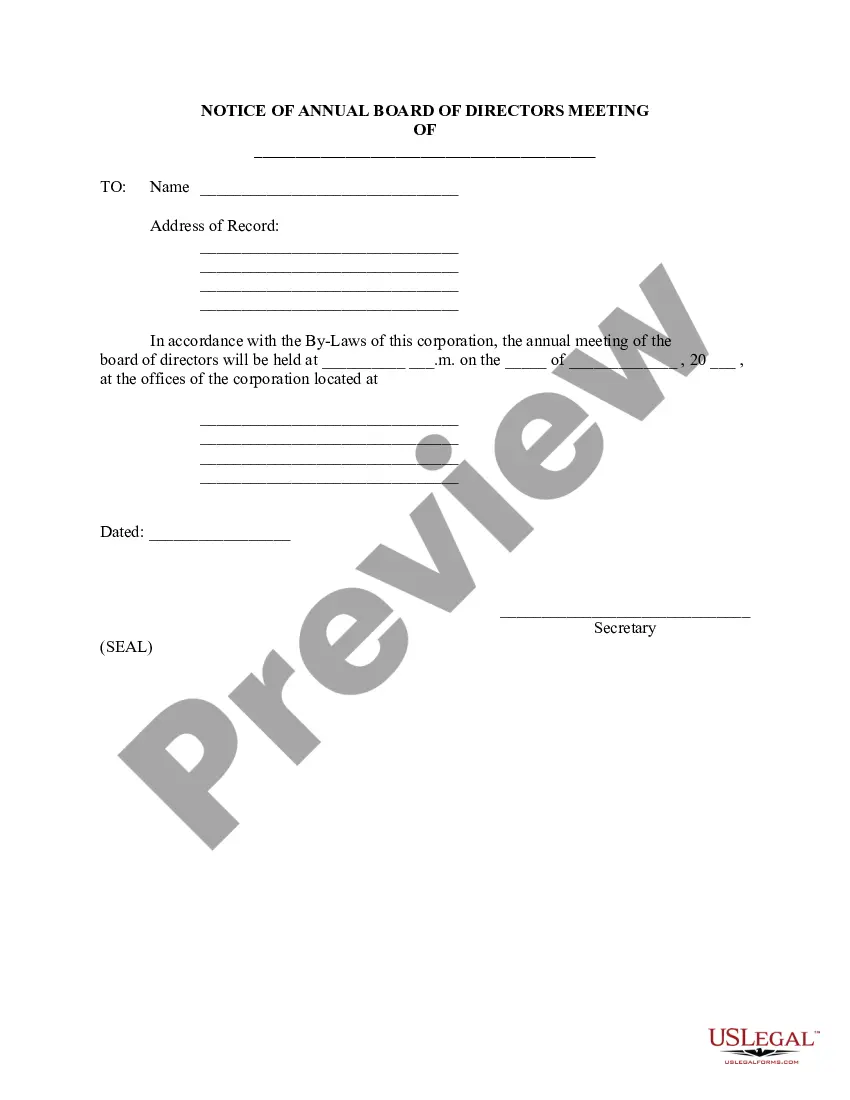
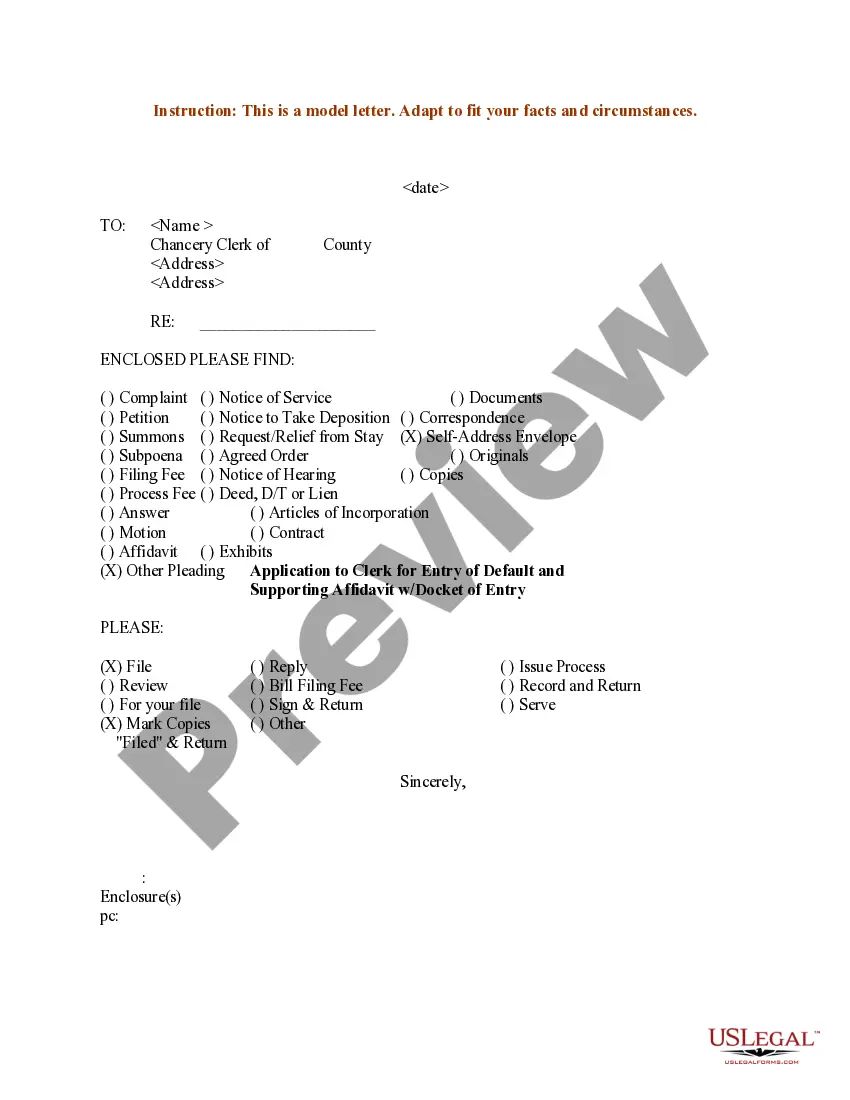
Meeting Do Board For Southwest In Washington
Description



Get your form ready online
Our built-in tools help you complete, sign, share, and store your documents in one place.
Make edits, fill in missing information, and update formatting in US Legal Forms—just like you would in MS Word.
Download a copy, print it, send it by email, or mail it via USPS—whatever works best for your next step.
Sign and collect signatures with our SignNow integration. Send to multiple recipients, set reminders, and more. Go Premium to unlock E-Sign.
If this form requires notarization, complete it online through a secure video call—no need to meet a notary in person or wait for an appointment.
We protect your documents and personal data by following strict security and privacy standards.

Make edits, fill in missing information, and update formatting in US Legal Forms—just like you would in MS Word.

Download a copy, print it, send it by email, or mail it via USPS—whatever works best for your next step.

Sign and collect signatures with our SignNow integration. Send to multiple recipients, set reminders, and more. Go Premium to unlock E-Sign.

If this form requires notarization, complete it online through a secure video call—no need to meet a notary in person or wait for an appointment.

We protect your documents and personal data by following strict security and privacy standards.
Looking for another form?



Form popularity
FAQ
For instance, California's Civil Code Section 4925 states that members can attend any non-executive portion of board meetings. For most HOAs, association members are allowed to attend most meetings.
In short, yes. Non Board members can attend meetings. There are a number of reasons you might want to have this policy. Perhaps you need to invite senior staff members of your organisation.
Who attends board meetings? Main members of the C-Suite like the CEO, founders and COO. Investors. Non-executive directors with industry knowledge and experience. Observers can also attend the meeting — people with experience in your industry or sector who take part in the discussions but can't vote.
Motion: To introduce a new piece of business or propose a decision or action, a motion must be made by a group member ("I move that......") A second motion must then also be made (raise your hand and say, "I second it.") After limited discussion the group then votes on the motion.
Here's how to create an agenda for a board meeting: Include discrete, standalone items, phrased as questions. Add a description of each item, including an objective. Identify an overall meeting leader, as well as a leader for each agenda item. Give clear timings for each agenda item.
Most board meeting agendas follow a classic meeting structure: Calling meeting to order – ensure you have quorum. Approve the agenda and prior board meeting minutes. Executive and committee reports – allow 25% of time here for key topic discussion. Old/new/other business. Close the meeting and adjourn.
Unless an association's governing documents provide otherwise, the rights to attend board meetings which are provided for in the Open Meeting Act are reserved for the association's members. (Civ. Code § 4925.) A member's right to attend board meetings extends to open meetings, not executive session meetings.
Should staff attend board meetings? Board meetings are business meetings for board members. However, it is common to see staff members in the boardroom. The chief executive constructs the agenda with the board chair and naturally attends all board meetings, yet may be asked to leave the room for executive sessions.
In short, yes. Non Board members can attend meetings. There are a number of reasons you might want to have this policy. Perhaps you need to invite senior staff members of your organisation.
Board meetings are almost always confidential. However, it takes both legally binding nondisclosure agreements and good board policy to ensure confidentiality.

