Annual Meeting Do For Nonprofit Organization In Wake
Description
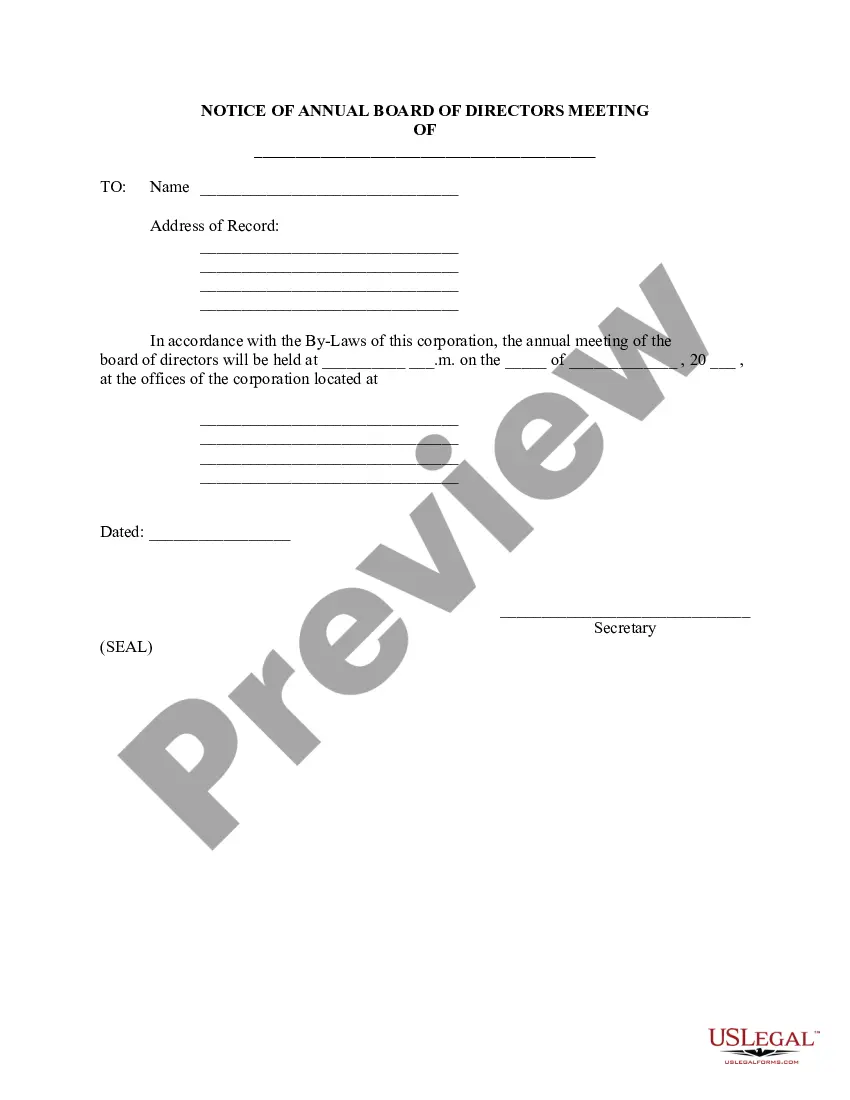



Get your form ready online
Our built-in tools help you complete, sign, share, and store your documents in one place.
Make edits, fill in missing information, and update formatting in US Legal Forms—just like you would in MS Word.
Download a copy, print it, send it by email, or mail it via USPS—whatever works best for your next step.
Sign and collect signatures with our SignNow integration. Send to multiple recipients, set reminders, and more. Go Premium to unlock E-Sign.
If this form requires notarization, complete it online through a secure video call—no need to meet a notary in person or wait for an appointment.
We protect your documents and personal data by following strict security and privacy standards.

Make edits, fill in missing information, and update formatting in US Legal Forms—just like you would in MS Word.

Download a copy, print it, send it by email, or mail it via USPS—whatever works best for your next step.

Sign and collect signatures with our SignNow integration. Send to multiple recipients, set reminders, and more. Go Premium to unlock E-Sign.

If this form requires notarization, complete it online through a secure video call—no need to meet a notary in person or wait for an appointment.

We protect your documents and personal data by following strict security and privacy standards.
Looking for another form?

Form popularity
FAQ
As an important event for any company, an annual meeting also serves as the formal platform for organizations to complete their internal and legal affairs such as reviewing the annual financial report, electing and discharging board members, voting on company amendments, and more.
Most annual reports feature photos and financial reports (illustrating the nonprofit's revenue and expenses), and acknowledge contributors. Annual reports are an opportunity to be candid and transparent about your nonprofit's finances and outcomes and build trust with your audience.
Tips on How to Run a Nonprofit Board Meeting Set clear objectives. Create a focused meeting agenda. Prepare meeting packets. Start and end on time. Set out guidelines or procedures. Encourage input from everyone. Take detailed meeting minutes. Conduct regular post-meeting surveys.
In some states there are laws known as “Sunshine laws” that require groups to open their meetings to the public, however, these laws generally only apply to governmental or quasi-governmental groups. Unless the nonprofit is a governmental entity, there is no obligation to open board meetings to the public.
Annual meetings are typically required under an organization's governing documents. The annual meeting serves multiple purposes including board elections, evaluating mission progress, affirming company values and culture, reviewing financials, setting the budget, and strategic planning for the upcoming year.
An annual meeting serves multiple purposes for a nonprofit organization, including board of director elections, evaluating mission progress, reviewing financials and more. Here are some key considerations you should take into consideration at this mid-year mark.
Generally speaking, annual meetings are a formal discussion of a company's goals, strategy, financial situation, proposed changes to governance documents, or other pending decisions that require a vote by or approval of the business's owners.
At this meeting, the attendees should do the following: Approve your bylaws. Appoint officers. Establish a committee structure. Set your accounting period and tax year. Approve initial transactions, such as setting up a bank account. Approve membership dues (if you are a membership organization)
Document decisions and votes The minutes should contain a comprehensive record of the decisions that the participants make during the meeting. This means listing who proposed the motion and who seconded it. List the outcome of the vote, including who voted either way, and state clearly the decision made.
For example, an annual general meeting (AGM) provides an opportunity for the board of directors and shareholders to come together, review the company's performance, and discuss its future direction.

