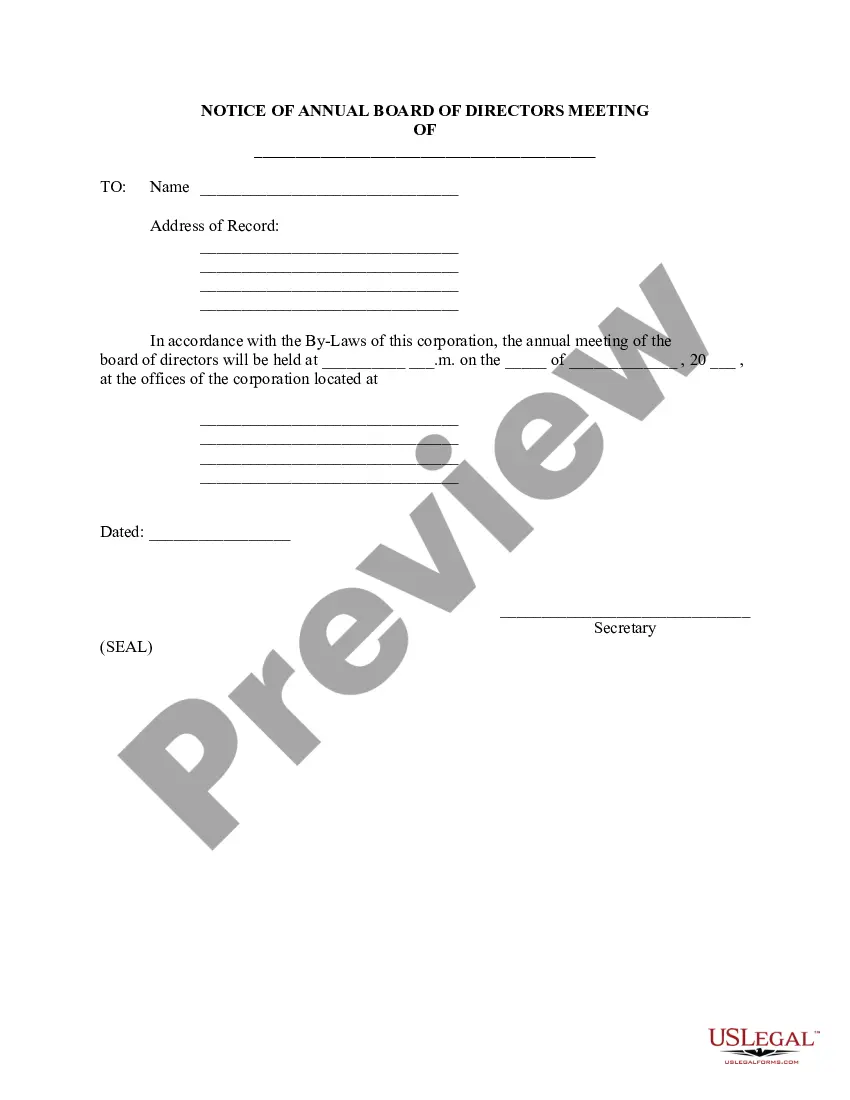
Meeting Do Board With Friends In Santa Clara
Description



Get your form ready online
Our built-in tools help you complete, sign, share, and store your documents in one place.
Make edits, fill in missing information, and update formatting in US Legal Forms—just like you would in MS Word.
Download a copy, print it, send it by email, or mail it via USPS—whatever works best for your next step.
Sign and collect signatures with our SignNow integration. Send to multiple recipients, set reminders, and more. Go Premium to unlock E-Sign.
If this form requires notarization, complete it online through a secure video call—no need to meet a notary in person or wait for an appointment.
We protect your documents and personal data by following strict security and privacy standards.

Make edits, fill in missing information, and update formatting in US Legal Forms—just like you would in MS Word.

Download a copy, print it, send it by email, or mail it via USPS—whatever works best for your next step.

Sign and collect signatures with our SignNow integration. Send to multiple recipients, set reminders, and more. Go Premium to unlock E-Sign.

If this form requires notarization, complete it online through a secure video call—no need to meet a notary in person or wait for an appointment.

We protect your documents and personal data by following strict security and privacy standards.
Looking for another form?
Form popularity
FAQ
Here are five phrases you can use to do this: I've called this meeting to ___ (more formal) The purpose of this meeting is ___ Today, we need to outline our plans for ___ Today, we're going to talk about/discuss ___ (less formal) By the end of this meeting, we'll have decided on/determined ___ (most goal-oriented!)
At the start of each session, the host should state the purpose of the meeting, quickly review the agenda, and ask participants if they have any questions. One way leaders can learn how to address a meeting is by incorporating the IEEI framework into each group session.
Declare the opening and closing of the session; • Preside at the meetings of the session; • Ensure the observance of the rules of procedure; • the right to speak; • Put questions to a vote; • Announce decisions; • Rule on points of order; and • Control the proceedings and maintain order thereat.
What Are the Steps to Conduct a Board Meeting? Call the meeting to order. The presiding officer kicks off the meeting at the designated start time. Call roll. Approve the agenda and previous meeting's minutes. Officer and committee reports. Old Business. New Business. Adjourn the meeting.
The meeting process adheres to the following timed agenda: Clarify Aim/Purpose. Assign Roles. Review Agenda. Work through Agenda. Review meeting record. Plan Next Steps and Next Agenda. Evaluate.
Phrases for the Presiding Officer OPEN THE MEETING. RECOGNIZE A MEMBER. "The chair recognizes . . . ." NO SECOND TO A MOTION (following request by chair "Is there a second?") STATE THE QUESTION ON A MOTION. STATE THE QUESTION ON A RESOLUTION. STATEMENT WHEN DEBATE APPEARS TO HAVE ENDED. TAKE A VOICE VOTE. TAKE A RISING VOTE.
There are a few ways to make board meetings more fun. One way is to introduce interactive activities that engage the team and encourage collaboration. For example, you could have members of the board participate in an icebreaker game or brainstorming session to get everyone's creative juices flowing.
profit looking for a better way to schedule board meetings needs to keep in mind only 3 simple steps. Work within a date range that works for the organization's calendar. Work within days/times that works for board members' calendars. Make the final decision quickly and stick with it.
If it's the board of a nonprofit (as opposed to some sort of governmental board), the general public doesn't have to be invited or even allowed in the room. If you decide to allow the general public to attend, they do not have the right to speak.
Who attends board meetings? Main members of the C-Suite like the CEO, founders and COO. Investors. Non-executive directors with industry knowledge and experience. Observers can also attend the meeting — people with experience in your industry or sector who take part in the discussions but can't vote.

