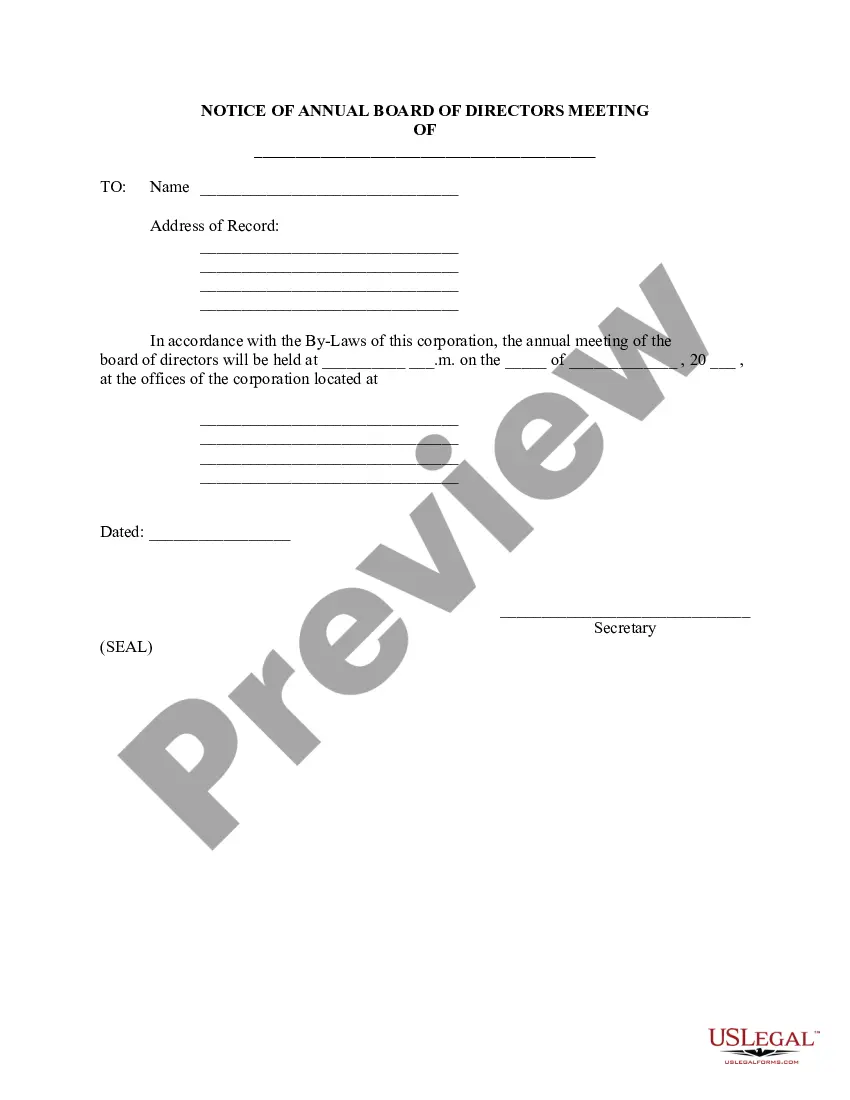
Meeting Board Template With Lines In Nassau
Description



Get your form ready online
Our built-in tools help you complete, sign, share, and store your documents in one place.
Make edits, fill in missing information, and update formatting in US Legal Forms—just like you would in MS Word.
Download a copy, print it, send it by email, or mail it via USPS—whatever works best for your next step.
Sign and collect signatures with our SignNow integration. Send to multiple recipients, set reminders, and more. Go Premium to unlock E-Sign.
If this form requires notarization, complete it online through a secure video call—no need to meet a notary in person or wait for an appointment.
We protect your documents and personal data by following strict security and privacy standards.

Make edits, fill in missing information, and update formatting in US Legal Forms—just like you would in MS Word.

Download a copy, print it, send it by email, or mail it via USPS—whatever works best for your next step.

Sign and collect signatures with our SignNow integration. Send to multiple recipients, set reminders, and more. Go Premium to unlock E-Sign.

If this form requires notarization, complete it online through a secure video call—no need to meet a notary in person or wait for an appointment.

We protect your documents and personal data by following strict security and privacy standards.
Looking for another form?





Form popularity
FAQ
How to Write a Meeting Summary Thank Everyone for Attending. Summarize the Key Points. List Follow-up Tasks For the Next Meeting. Outline Important Decisions Made. Don't Forget the Details. Attach Any Relevant Files. Share It with Your Team.
In Teams, meeting notes can end up in OneNote, linked to the meeting chat, or stored within a Teams channel if it is a channel meeting.
For meeting notes that happen frequently I like to keep them in one page and have the date be a header and the content indented since you can collapse at the heading and keep past meetings hidden and neat.
Create an Agenda in Microsoft Word – Step-by-Step Instructions Step 1: Select and Download an Agenda Template. Step 2: Edit the Header Section. Step 3: Provide the Title and Meeting Details. Step 4: Outline the Agenda. Step 5: Add Notes. Step 6: Save the Customized Agenda Template.
What is the best format for a meeting agenda? Meeting details, like date, time, location and attendees. Meeting objectives that state the purpose of the meeting. Agenda items with specific topics for discussion. Schedule of events with times allocated to each agenda item. Action items from previous meetings.
How To Write A Meeting Agenda? Identify the meeting's goal. Seek input from the participants. Prepare the list of questions that you want to address. Determine the goal of each task. Calculate how much time you will spend on each task. Attach documents. Identify who leads each topic. End each meeting with a review.
9 proven tips for taking better meeting notes Choose a note-taking method that works you. Ditch the laptop—use pen and paper instead. Don't transcribe everything verbatim. Use a meeting notes template. Assign a specific note-taker for the meeting. Transcribe conversations with recording software.
Here are the primary elements to include when writing meeting minutes: Why the meeting happened. First and last names of attendees. The date and time of the meeting. Projects assigned during the meeting and their deadlines. Decisions employees and leadership made during the meeting.
1 Call to order. A board meeting agenda should begin with a call to order, welcoming remarks, and the gathering's objectives. 2 Agenda adjustments. 3 Approval of previous meeting's minutes. 4 Reports. 5 Old business. 6 New business. 7 Comments and announcements. 8 Adjournment.
Starting the Meeting: ``Good (morning/afternoon), everyone. Thank you for joining us today. I'd like to welcome you to this meeting. Our agenda includes (briefly outline the agenda items). Let's begin with our first topic.''

