Meeting Do Board For Teachers In Massachusetts
Description
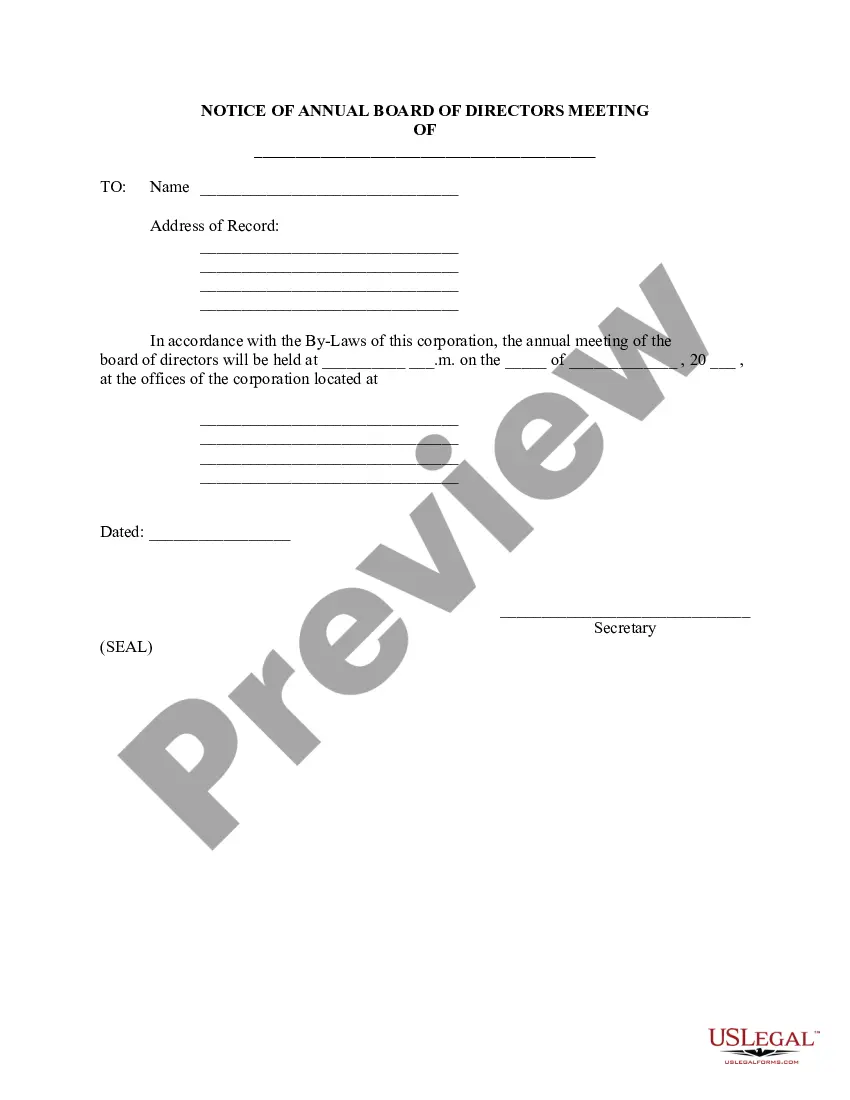



Get your form ready online
Our built-in tools help you complete, sign, share, and store your documents in one place.
Make edits, fill in missing information, and update formatting in US Legal Forms—just like you would in MS Word.
Download a copy, print it, send it by email, or mail it via USPS—whatever works best for your next step.
Sign and collect signatures with our SignNow integration. Send to multiple recipients, set reminders, and more. Go Premium to unlock E-Sign.
If this form requires notarization, complete it online through a secure video call—no need to meet a notary in person or wait for an appointment.
We protect your documents and personal data by following strict security and privacy standards.

Make edits, fill in missing information, and update formatting in US Legal Forms—just like you would in MS Word.

Download a copy, print it, send it by email, or mail it via USPS—whatever works best for your next step.

Sign and collect signatures with our SignNow integration. Send to multiple recipients, set reminders, and more. Go Premium to unlock E-Sign.

If this form requires notarization, complete it online through a secure video call—no need to meet a notary in person or wait for an appointment.

We protect your documents and personal data by following strict security and privacy standards.
Looking for another form?

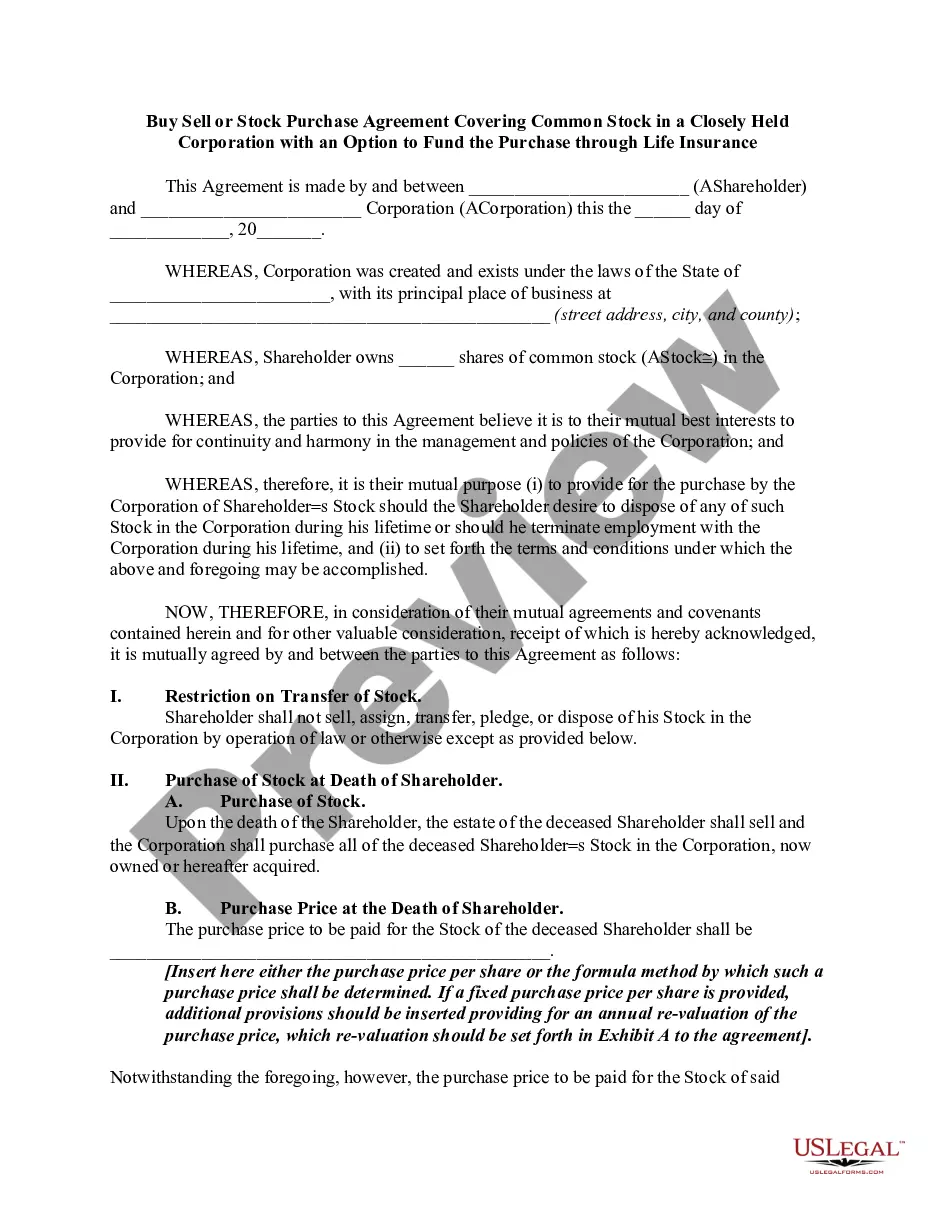


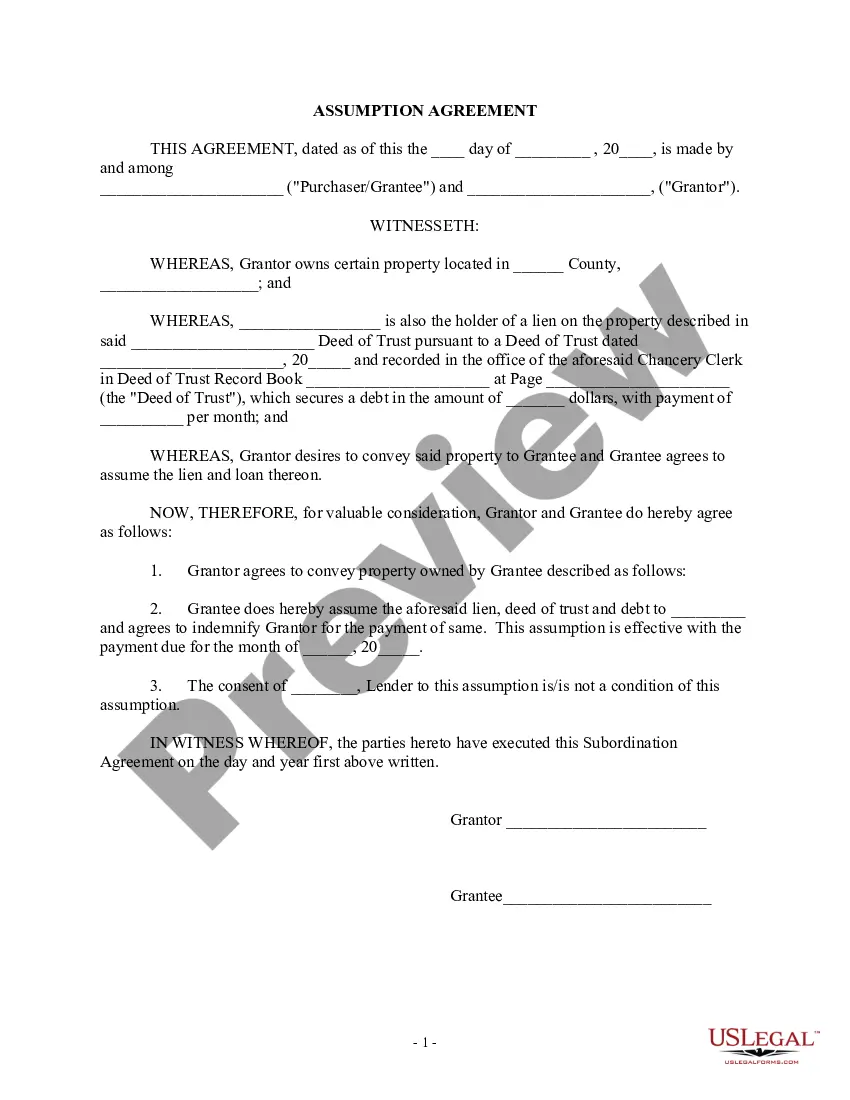



Form popularity
FAQ
The Open Meeting Law defines a quorum as a simple majority of the members of a public body, unless otherwise provided in a general or special law, executive order, or other authorizing provision. G.L. c. 30A, § 18.
Public meetings are held to engage a wide audience in information sharing and discussion. They can be used to increase awareness of an issue or proposal, and can be a starting point for, or an ongoing means of engaging, further public involvement. When done well, they help build a feeling of community.
A public meeting refers to a meeting that is open to the public. A public hearing is open to the public but is regarding a specific proposal/project.
A public meeting refers to a meeting that is open to the public. A public hearing is open to the public but is regarding a specific proposal/project.
A key difference between meetings and hearings is that people can give live evidence to the panel. Anyone who gives evidence can be asked questions about their evidence by the other party and by the panel.
(f) After notifying the chair of the public body, any person may make a video or audio recording of an open session of a meeting of a public body, or may transmit the meeting through any medium, subject to reasonable requirements of the chair as to the number, placement and operation of equipment used so as not to ...
5 tips for opening a board meeting: Allow time for members to get settled and focused. Provide a way for members to share what's weighing on their minds. Include time for socializing. Clarify each person's specific role for the meeting. Take time to formally review and approve the agenda.
The Directors shall attend Board Meetings in person. If unable to attend, a Director may appoint another Director to attend on his behalf by proxy which specifies the scope of authorization; any appointee shall not act as proxy for more than one Director.
Board meetings are critical opportunities for the board and staff to build relationships rooted in respect. Don't miss this opportunity by segregating them. Board members really want to learn and appreciate what it takes to do the work.
Board meetings are formal gatherings held by the board of directors that aim to discuss major problems, areas of concern, vote on decisions, review performance, consider policy issues, and, in some cases, perform the legal duties of the board.

