Board Meeting In Camera In Kings
Description
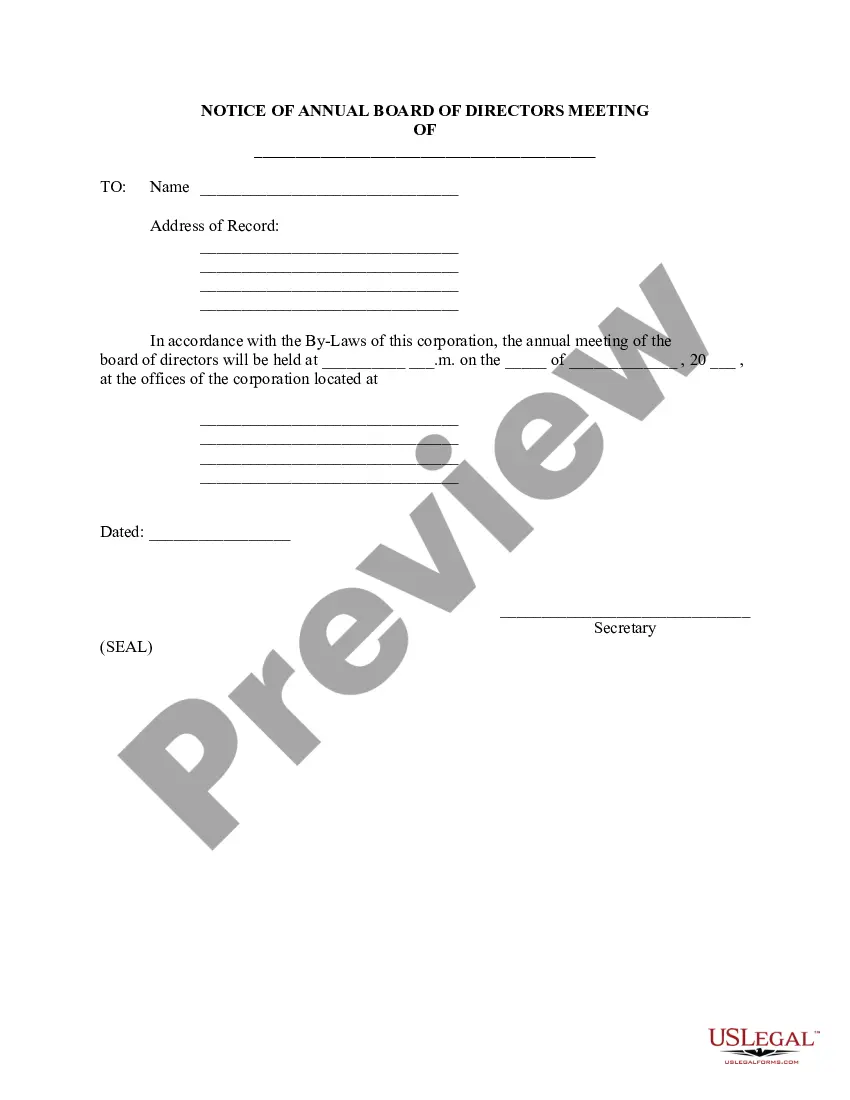


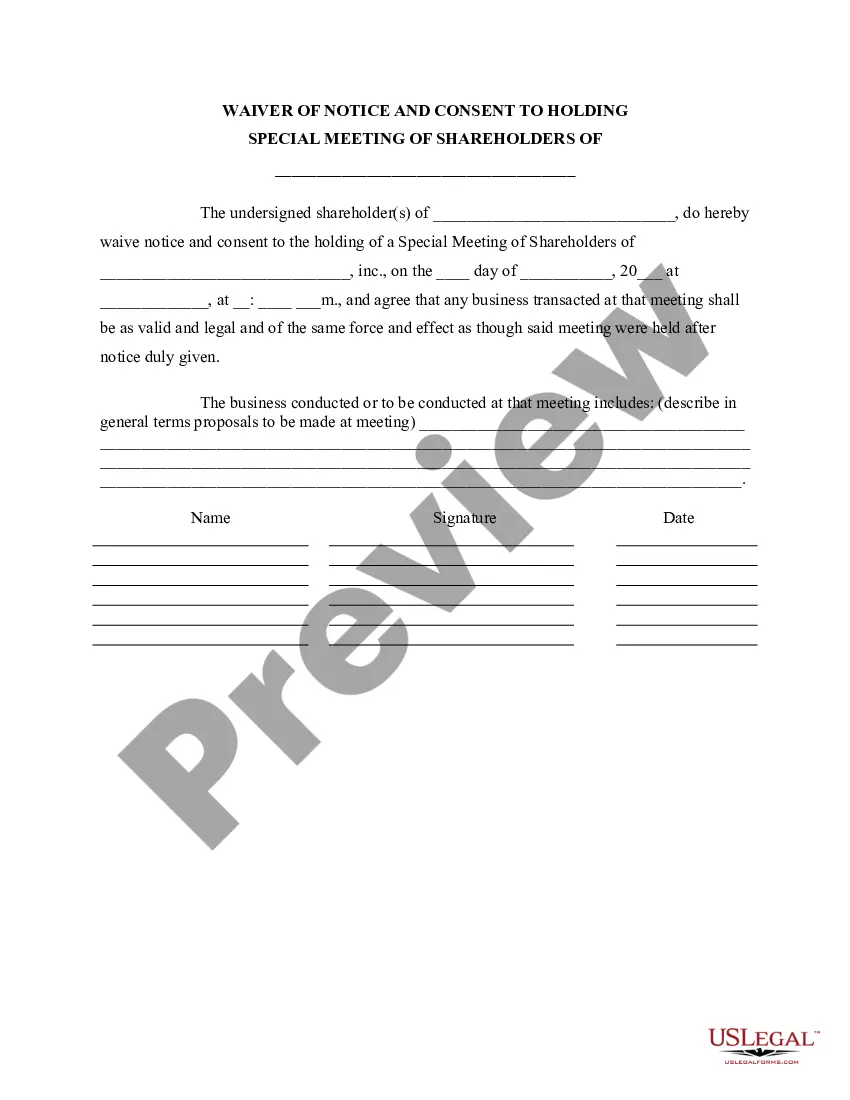
Get your form ready online
Our built-in tools help you complete, sign, share, and store your documents in one place.
Make edits, fill in missing information, and update formatting in US Legal Forms—just like you would in MS Word.
Download a copy, print it, send it by email, or mail it via USPS—whatever works best for your next step.
Sign and collect signatures with our SignNow integration. Send to multiple recipients, set reminders, and more. Go Premium to unlock E-Sign.
If this form requires notarization, complete it online through a secure video call—no need to meet a notary in person or wait for an appointment.
We protect your documents and personal data by following strict security and privacy standards.

Make edits, fill in missing information, and update formatting in US Legal Forms—just like you would in MS Word.

Download a copy, print it, send it by email, or mail it via USPS—whatever works best for your next step.

Sign and collect signatures with our SignNow integration. Send to multiple recipients, set reminders, and more. Go Premium to unlock E-Sign.

If this form requires notarization, complete it online through a secure video call—no need to meet a notary in person or wait for an appointment.

We protect your documents and personal data by following strict security and privacy standards.
Looking for another form?






Form popularity
FAQ
It depends on where your association is located. States like California, Florida, and Pennsylvania have two-party consent laws, which means that all parties involved must consent to the recording. If there is no consent, it is illegal.
The term “in camera” is Latin for “in a chamber” or “in private,” and these meetings provide the board with the opportunity to discuss sensitive or confidential matters, such as potential conflicts, legal issues, or sensitive financial information.
In camera hearings during trials In United States courts, in-camera review describes a process or procedure where a judge privately looks at confidential, sensitive, or private information to determine what, if any, information may be used by a party or made public.
What Are the Steps to Conduct a Board Meeting? Call the meeting to order. The presiding officer kicks off the meeting at the designated start time. Call roll. Approve the agenda and previous meeting's minutes. Officer and committee reports. Old Business. New Business. Adjourn the meeting.
The term “in camera” is Latin for “in a chamber” or “in private,” and these meetings provide the board with the opportunity to discuss sensitive or confidential matters, such as potential conflicts, legal issues, or sensitive financial information.
Robert's Rules places no limits on the content of in camera discussion except suggesting that some things must always be handled in executive session (e.g. member discipline). However, in camera session, like any tool, is open to abuse. The decision to move your group in camera should always be made carefully.
Camera On: - It's often encouraged to keep your camera on during meetings, especially in smaller groups or when discussing important topics. This helps foster engagement, encourages participation, and allows for non-verbal communication.
Robert's Rules places no limits on the content of in camera discussion except suggesting that some things must always be handled in executive session (e.g. member discipline). However, in camera session, like any tool, is open to abuse. The decision to move your group in camera should always be made carefully.
A motion must be presented to move the meeting in-camera, and out of camera. Minutes The Executive Director records the minutes of the meeting. These contain motions and actions, and where necessary some context of any discussion on an item where a motion or action is recorded.
It depends on where your association is located. States like California, Florida, and Pennsylvania have two-party consent laws, which means that all parties involved must consent to the recording. If there is no consent, it is illegal.

