Board Meeting In School In Cuyahoga
Description
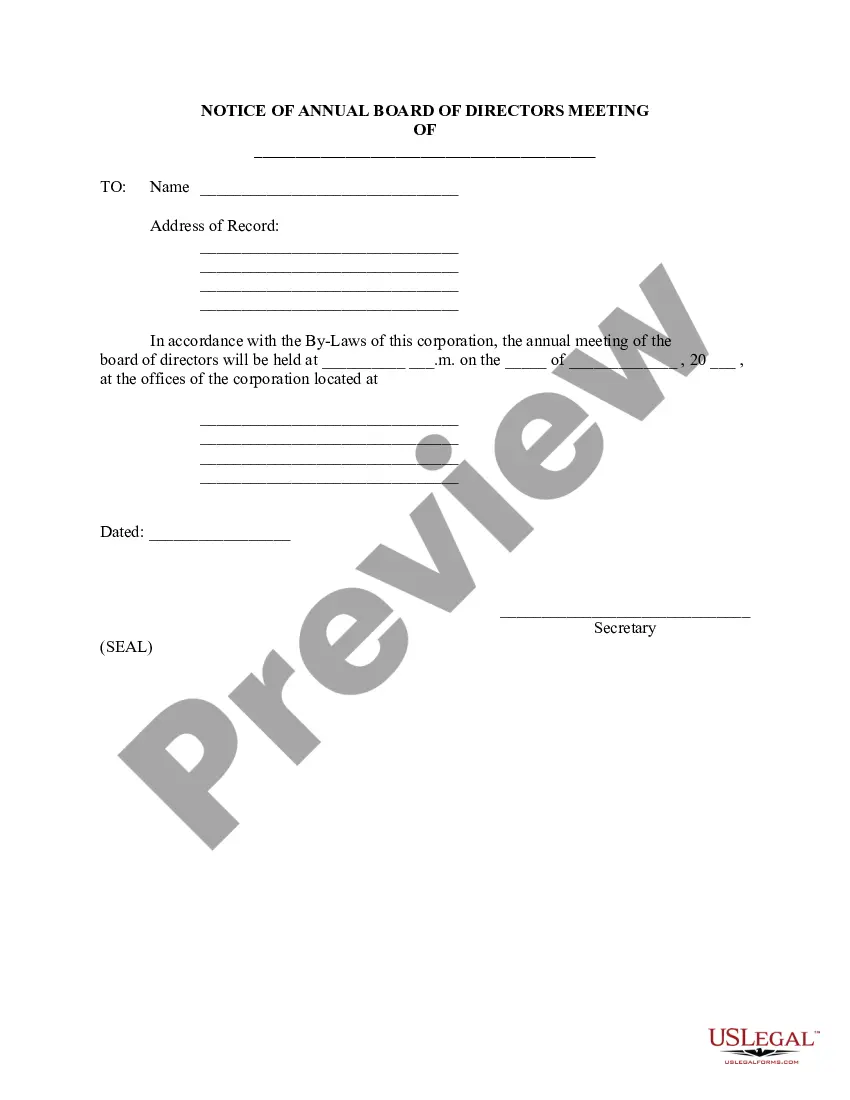



Get your form ready online
Our built-in tools help you complete, sign, share, and store your documents in one place.
Make edits, fill in missing information, and update formatting in US Legal Forms—just like you would in MS Word.
Download a copy, print it, send it by email, or mail it via USPS—whatever works best for your next step.
Sign and collect signatures with our SignNow integration. Send to multiple recipients, set reminders, and more. Go Premium to unlock E-Sign.
If this form requires notarization, complete it online through a secure video call—no need to meet a notary in person or wait for an appointment.
We protect your documents and personal data by following strict security and privacy standards.

Make edits, fill in missing information, and update formatting in US Legal Forms—just like you would in MS Word.

Download a copy, print it, send it by email, or mail it via USPS—whatever works best for your next step.

Sign and collect signatures with our SignNow integration. Send to multiple recipients, set reminders, and more. Go Premium to unlock E-Sign.

If this form requires notarization, complete it online through a secure video call—no need to meet a notary in person or wait for an appointment.

We protect your documents and personal data by following strict security and privacy standards.
Looking for another form?

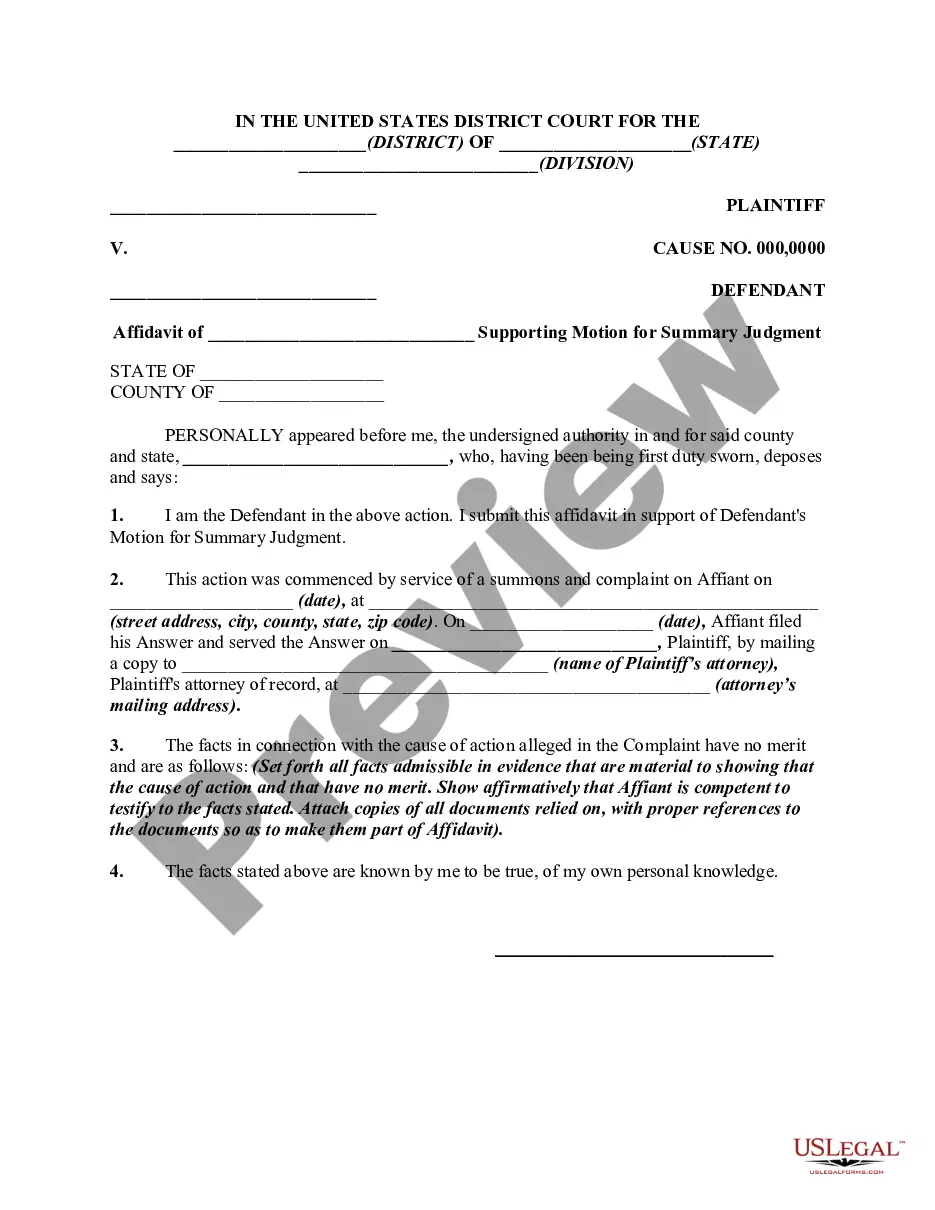
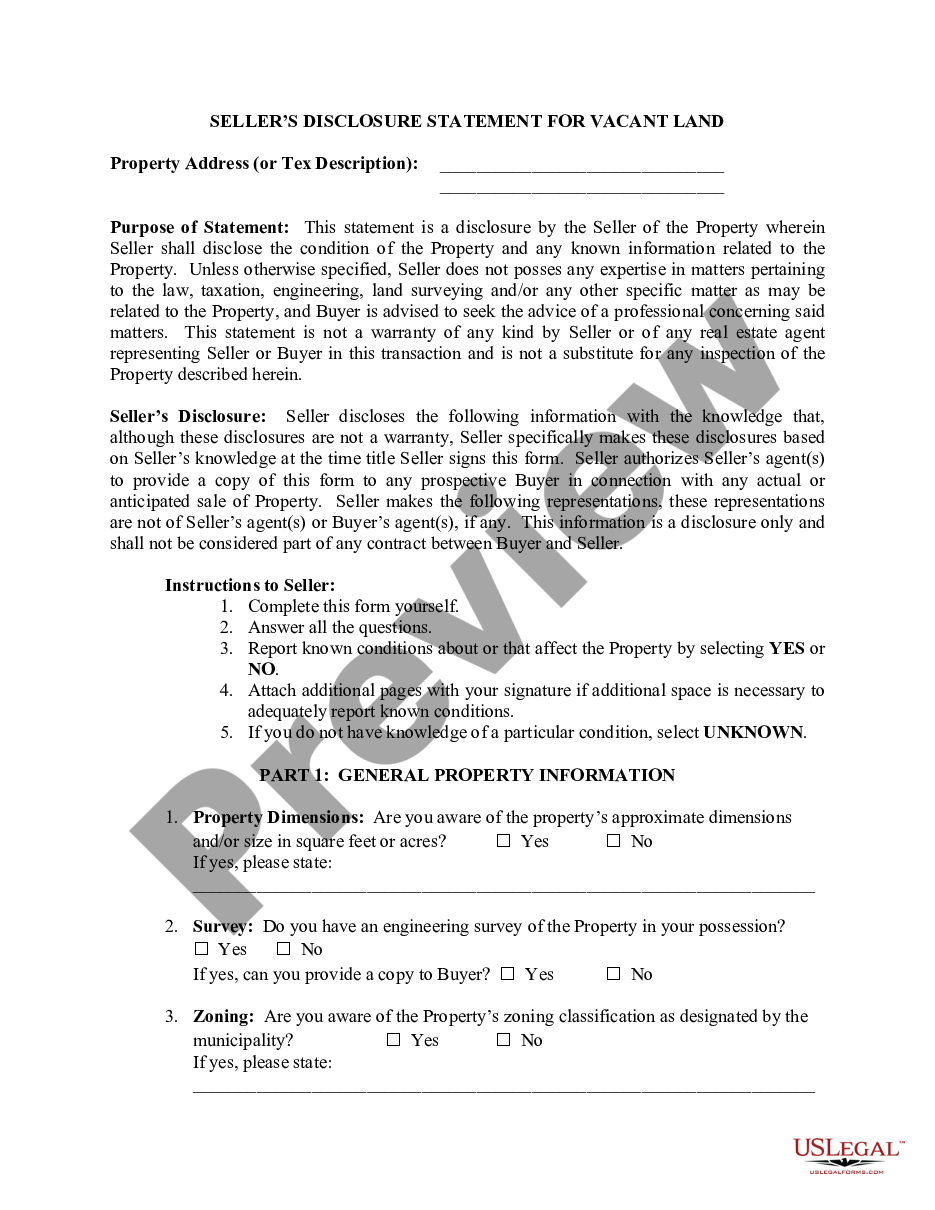
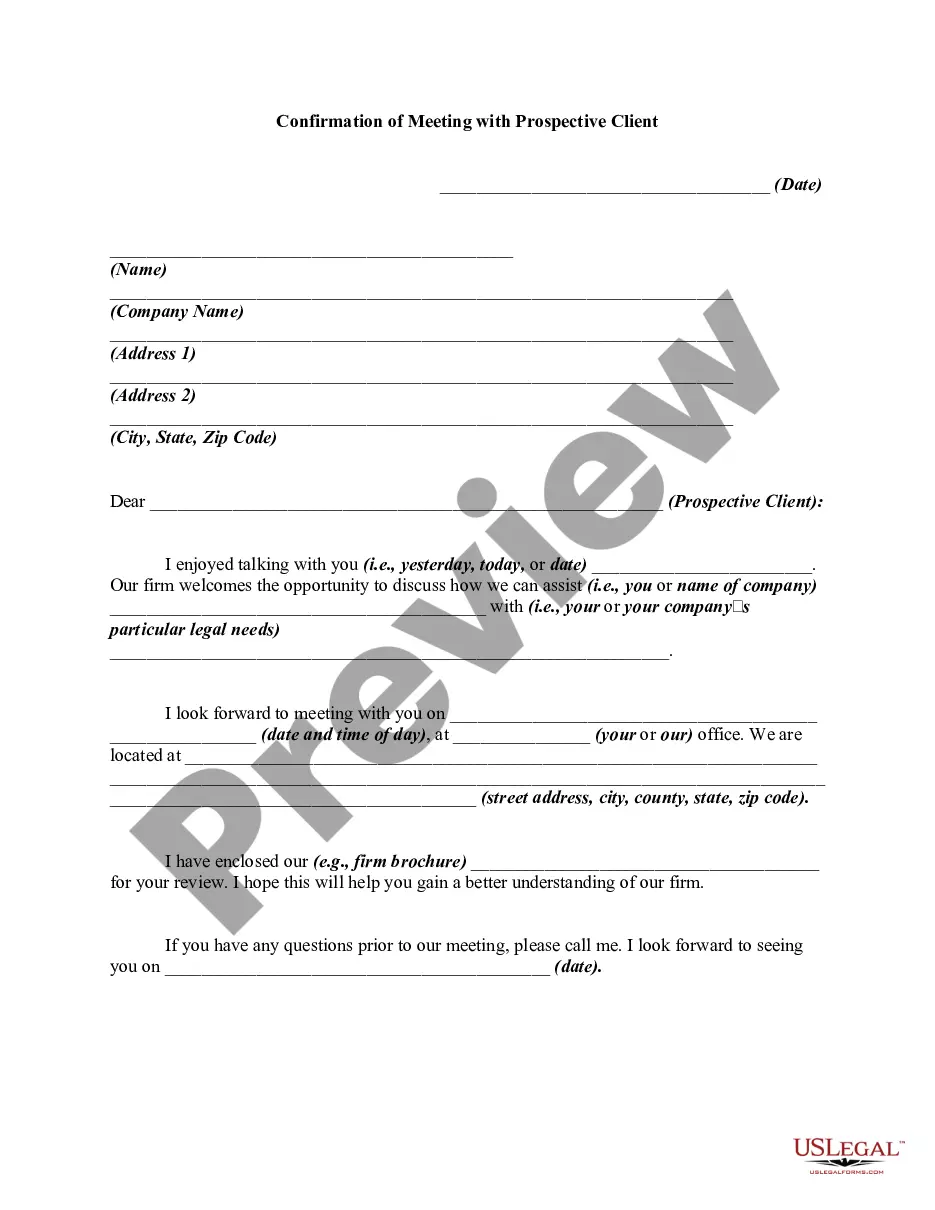



Form popularity
FAQ
By contributing their experience and expertise to school board proceedings, educators can play a valuable role in shaping their school district's vision, goals, priorities, and policies.
The Board acts as an entity, not as a collection of individuals. Your attendance and participation are vital to the success of the Board and its actions. During meetings, Trustees must always keep in mind to whom and what the Board is responsible.
School Board Meetings are formal business meetings for the district where items are voted upon by the entire board for approval. Other than Recommended Routine Items, items that appear for a vote on the School Board agenda are usually researched and approved by a committee before being brought before the full board.
Attending a board meeting will enable a classroom teacher to become more knowledgeable about what is going on in the district and help that teacher to gain more of a district perspective about how decisions are made.
Attending conferences allows educators to engage with experts, participate in workshops, and gain insights from peers. These interactions foster a culture of continual learning, encouraging educators to reflect on their teaching practices and seek innovative strategies to improve student outcomes.
School board meetings are generally open to the public under Chapter 551 of the Texas Government Code, except for executive sessions which may be held to discuss limited issues such as possible real estate purchases or personnel actions.
State Board of Education meetings generally occur on the second Monday of each month. Ohio Sunshine Law requires that these meetings be open to the public, except executive session and quasi-judicial discussion.
The Directors shall attend Board Meetings in person. If unable to attend, a Director may appoint another Director to attend on his behalf by proxy which specifies the scope of authorization; any appointee shall not act as proxy for more than one Director.
profit looking for a better way to schedule board meetings needs to keep in mind only 3 simple steps. Work within a date range that works for the organization's calendar. Work within days/times that works for board members' calendars. Make the final decision quickly and stick with it.

