Meeting Do Board For Teachers In Allegheny
Description
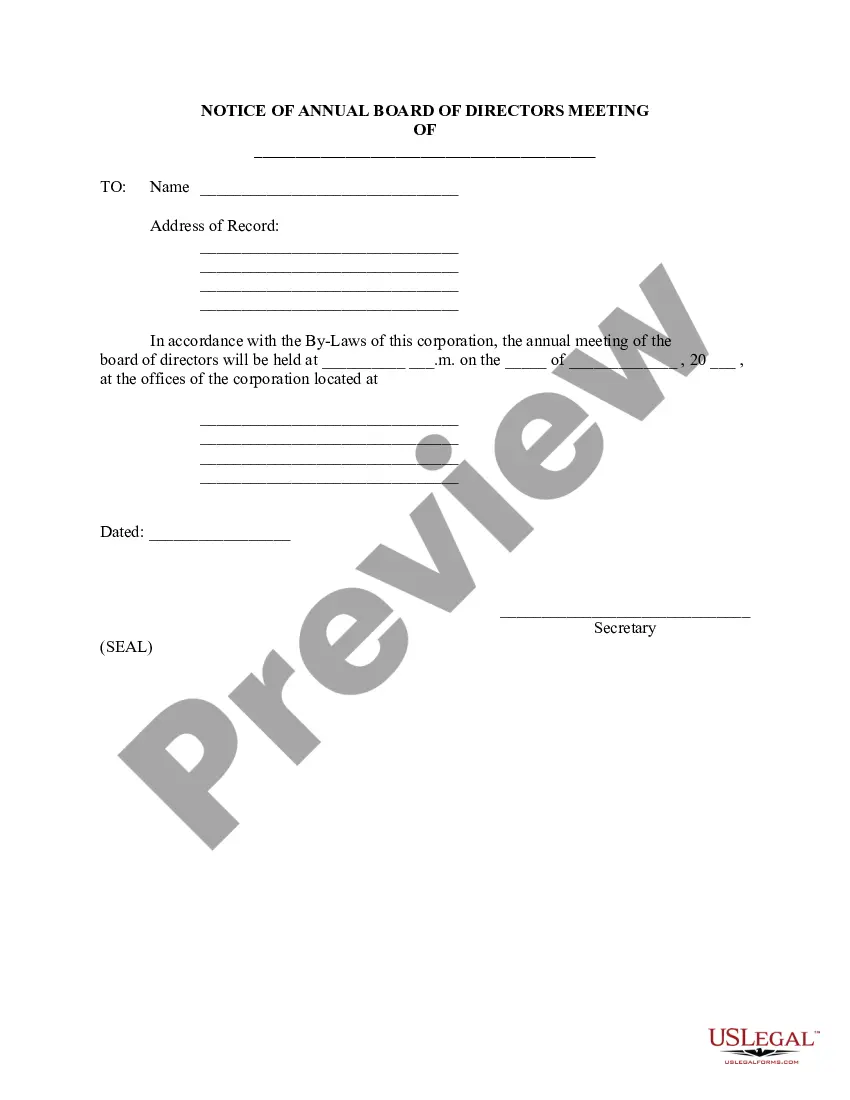



Get your form ready online
Our built-in tools help you complete, sign, share, and store your documents in one place.
Make edits, fill in missing information, and update formatting in US Legal Forms—just like you would in MS Word.
Download a copy, print it, send it by email, or mail it via USPS—whatever works best for your next step.
Sign and collect signatures with our SignNow integration. Send to multiple recipients, set reminders, and more. Go Premium to unlock E-Sign.
If this form requires notarization, complete it online through a secure video call—no need to meet a notary in person or wait for an appointment.
We protect your documents and personal data by following strict security and privacy standards.

Make edits, fill in missing information, and update formatting in US Legal Forms—just like you would in MS Word.

Download a copy, print it, send it by email, or mail it via USPS—whatever works best for your next step.

Sign and collect signatures with our SignNow integration. Send to multiple recipients, set reminders, and more. Go Premium to unlock E-Sign.

If this form requires notarization, complete it online through a secure video call—no need to meet a notary in person or wait for an appointment.

We protect your documents and personal data by following strict security and privacy standards.
Looking for another form?









Form popularity
FAQ
Board meetings are critical opportunities for the board and staff to build relationships rooted in respect. Don't miss this opportunity by segregating them. Board members really want to learn and appreciate what it takes to do the work.
School boards may wish to have regular meetings with a variety of teacher representatives on a regular basis so that they can talk about informational items from both venues. Boards may wish to ask for teacher input about upcoming decisions. Teachers may wish to share items of importance with them as well.
profit looking for a better way to schedule board meetings needs to keep in mind only 3 simple steps. Work within a date range that works for the organization's calendar. Work within days/times that works for board members' calendars. Make the final decision quickly and stick with it.
Educators' proactive participation in school board advocacy is crucial to creating school districts that honor educators' expertise and experience and reflect the needs of students, families, teachers, and communities.
The Directors shall attend Board Meetings in person. If unable to attend, a Director may appoint another Director to attend on his behalf by proxy which specifies the scope of authorization; any appointee shall not act as proxy for more than one Director.
Board meeting etiquette don'ts Don't – Make your agenda unrealistic. Don't – Be late. Don't – Interrupt others. Don't – Put others down. Don't – Use your smartphone. Don't – Inundate your board with several different pre-meeting emails. Don't – Allow side conversations. Don't – Read committee reports out loud.
By contributing their experience and expertise to school board proceedings, educators can play a valuable role in shaping their school district's vision, goals, priorities, and policies.
Find the link to the school board website. If you can't find it, put the name of your school district and “school board” in a search engine. The calendar should always be on the school district's website. At the school board website, look for “Citizen Participation” or a similar option.
Call to Order “I call this meeting to order.” Roll Call “Will the secretary please do roll call?” “We have a quorum. Will the secretary please read the minutes of the last meeting?” “Are there any corrections to the minutes?”
Board Meetings shall be convened upon written notices sent to all Directors fourteen days prior to the date of the meeting, specifying the date and place of the meeting and attaching the meeting agenda and related materials.

