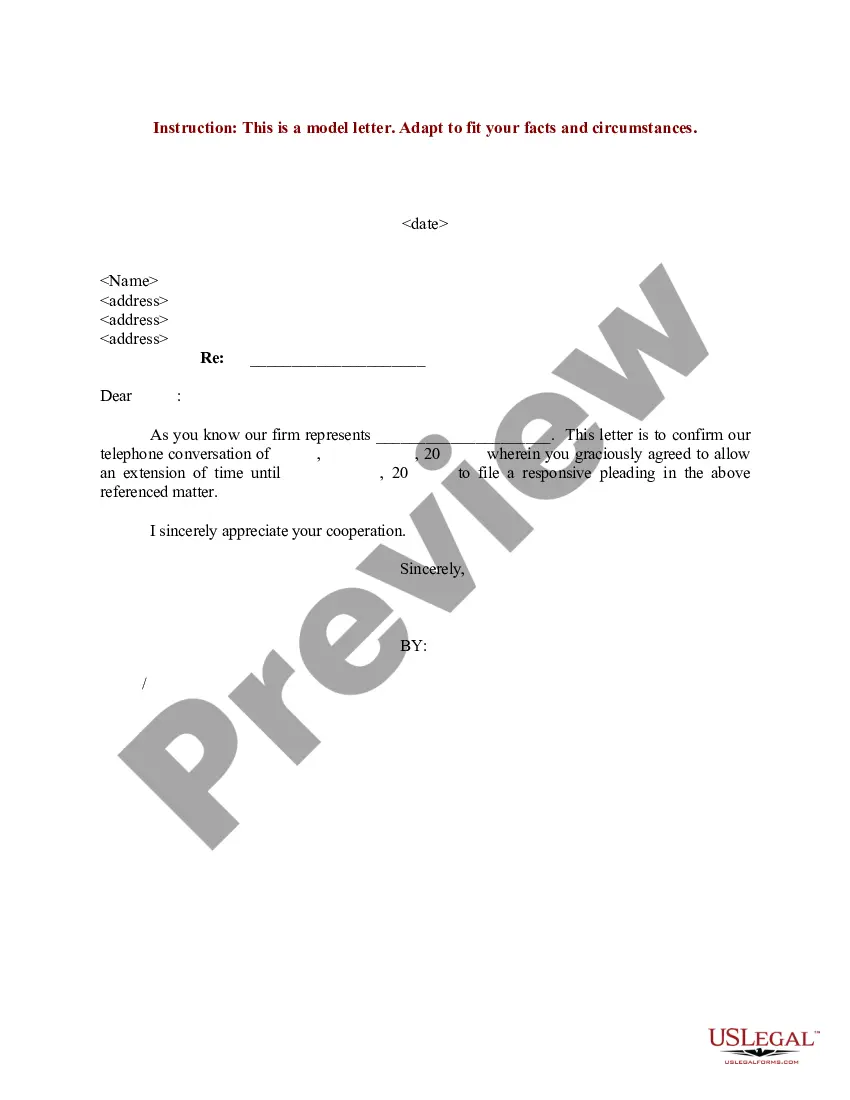
Pleading Paper With 26 Lines
Description
Get your form ready online
Our built-in tools help you complete, sign, share, and store your documents in one place.
Make edits, fill in missing information, and update formatting in US Legal Forms—just like you would in MS Word.
Download a copy, print it, send it by email, or mail it via USPS—whatever works best for your next step.
Sign and collect signatures with our SignNow integration. Send to multiple recipients, set reminders, and more. Go Premium to unlock E-Sign.
If this form requires notarization, complete it online through a secure video call—no need to meet a notary in person or wait for an appointment.
We protect your documents and personal data by following strict security and privacy standards.

Make edits, fill in missing information, and update formatting in US Legal Forms—just like you would in MS Word.

Download a copy, print it, send it by email, or mail it via USPS—whatever works best for your next step.

Sign and collect signatures with our SignNow integration. Send to multiple recipients, set reminders, and more. Go Premium to unlock E-Sign.

If this form requires notarization, complete it online through a secure video call—no need to meet a notary in person or wait for an appointment.

We protect your documents and personal data by following strict security and privacy standards.
Looking for another form?
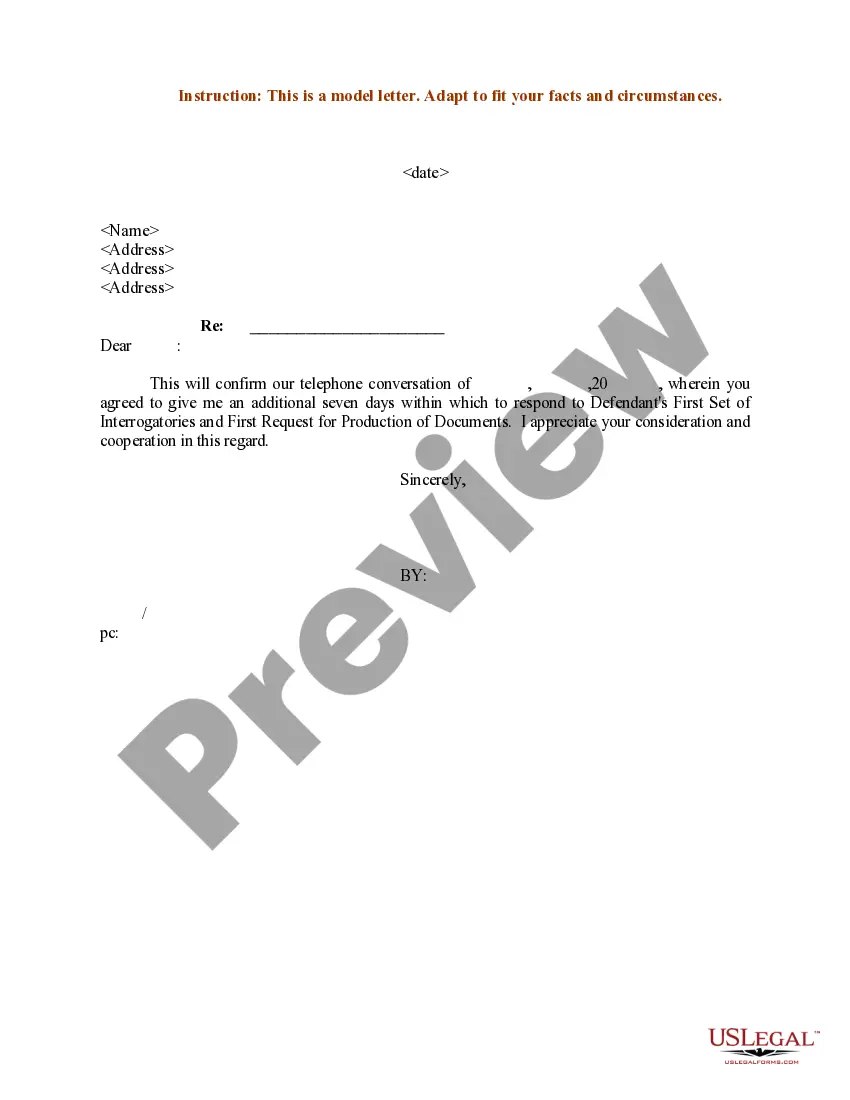
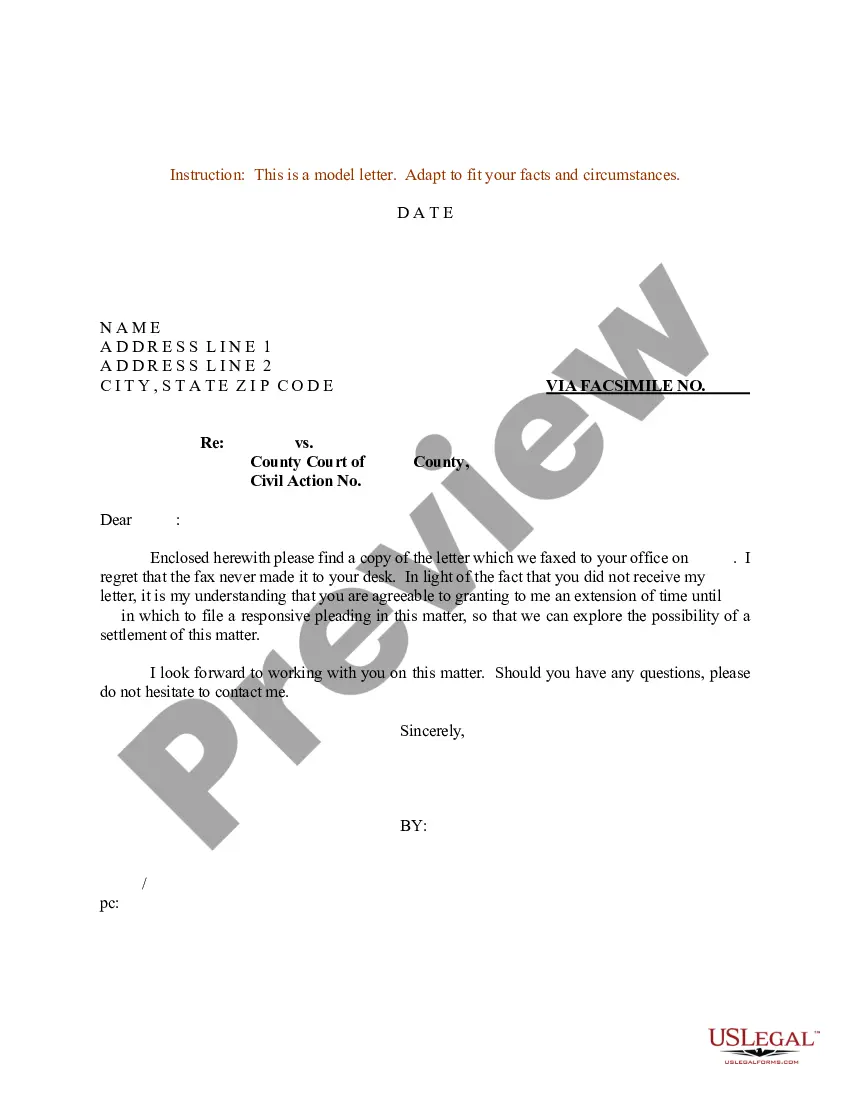
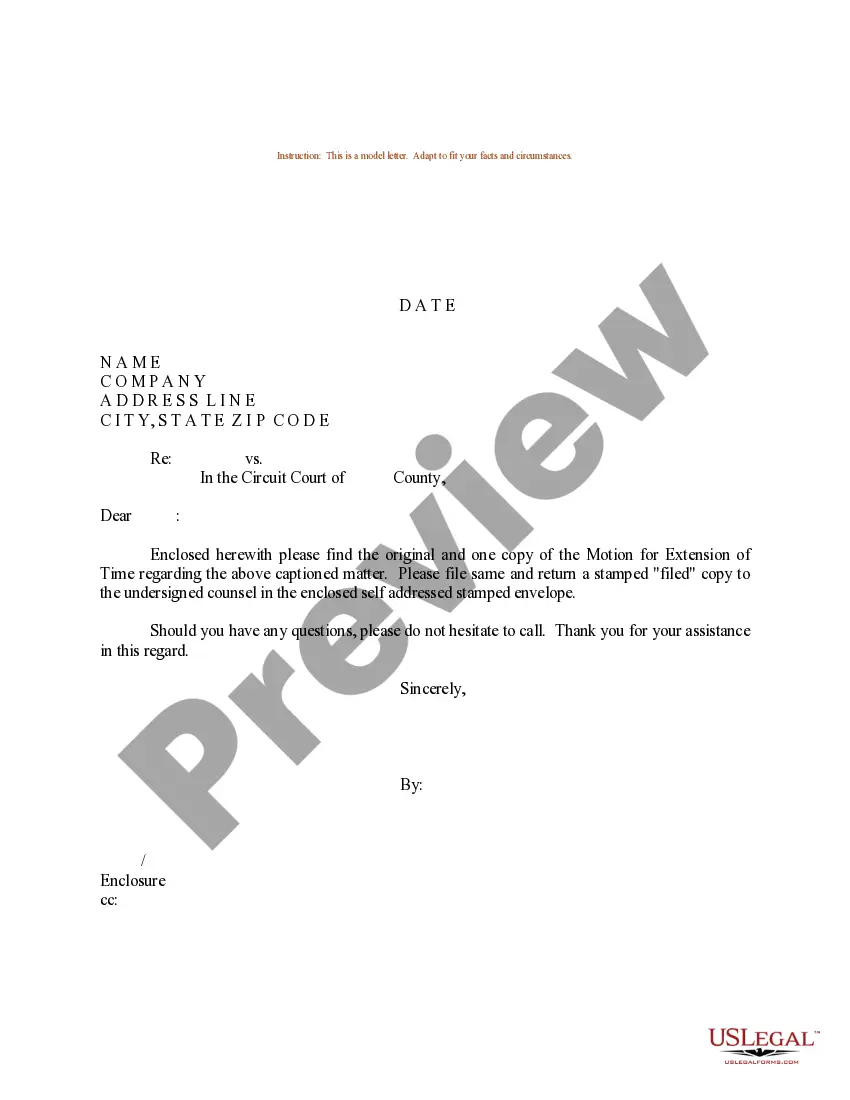
How to fill out Sample Letter For Confirmation Of Time Extension To File Responsive Pleading?
The Pleading Paper With 26 Lines displayed on this page is a versatile official template created by expert attorneys in line with federal and local statutes and regulations.
For over 25 years, US Legal Forms has supplied individuals, entities, and legal practitioners with more than 85,000 authenticated, state-specific forms for any business and personal situation. It’s the fastest, simplest, and most dependable method to acquire the documents you require, as the service assures bank-grade data security and anti-malware safeguards.
Register with US Legal Forms to have certified legal templates for all of life's situations at your fingertips.
- Search for the document you require and review it.
- Sign up and Log In.
- Acquire the editable template.
- Fill out and sign the paperwork.
- Download your documents once more.
Form popularity
FAQ
Formatting pleading paper requires attention to detail to meet court standards. Utilize pleading paper with 26 lines, as this layout helps you organize your arguments effectively. Ensure that the margin settings and font size comply with the rules of your jurisdiction. For a seamless experience, consider using US Legal Forms, which provides templates that simplify the formatting process.
To draft a pleading, start by clearly identifying the type of pleading you need, such as a complaint or motion. Use pleading paper with 26 lines to ensure proper formatting. Include essential elements like the case caption, facts, and legal arguments. Finally, review your document for clarity and accuracy before filing it with the court.
A pleading format typically includes a title, statement of facts, legal arguments, and a conclusion. The structure helps convey information clearly and concisely, which is crucial for legal documentation. For standardized documents, consider using pleading paper with 26 lines, as it provides a consistent layout that meets court requirements.
To set numbered headings like 1.1, 1.2, and 1.3 in Word, first highlight the text you want to number. Then, go to the 'Home' tab, click on 'Multilevel List', and choose a format that suits your needs. This approach is particularly useful for organizing complex documents such as pleading papers with 26 lines.
A common example of a pleading is a complaint, which initiates a lawsuit. It outlines the parties involved, the claims being made, and the relief sought. Understanding different types of pleadings is essential when preparing legal documents, including those formatted on pleading paper with 26 lines.
To add pleading numbers in Word, start by placing your cursor where you want the number to appear. Use the 'Insert' tab, select 'Page Number', and choose your preferred location. This feature makes it easier to maintain organization in your documents, especially when working with pleading paper with 26 lines.
To type x̅ in Word, you can use the equation feature. Go to the 'Insert' tab, click on 'Equation', and then select 'Insert New Equation'. Type x, then click on the 'Accent' button and choose 'Bar' to place a bar over the x. This method ensures clarity when drafting legal documents like pleading paper with 26 lines.
The three main types of pleadings include complaints, answers, and counterclaims. Each serves a unique purpose in the legal process, with complaints initiating the case, answers responding to those complaints, and counterclaims presenting additional claims. When preparing these documents, using pleading paper with 26 lines can ensure that you have enough space to clearly articulate your points. For easy access to templates, US Legal Forms offers a variety of pleading papers to fit your needs.
Pleading paper typically utilizes 1.5 line spacing to ensure clarity and provide sufficient space for annotations. When you use pleading paper with 26 lines, this spacing allows judges and attorneys to easily read and understand your arguments. Maintaining this standard helps you present your case effectively. If you need templates or further assistance, consider using US Legal Forms for professionally designed pleading paper options.
According to the latest guidelines, APA 7 recommends using double line spacing throughout your document. However, when preparing legal documents like pleading paper with 26 lines, you might find that 1.5 spacing is more practical for readability. This balance allows you to present your arguments clearly while adhering to legal formatting standards. Always check specific requirements for your court to ensure compliance.