Time Extension For Construction Project In Pennsylvania
Description
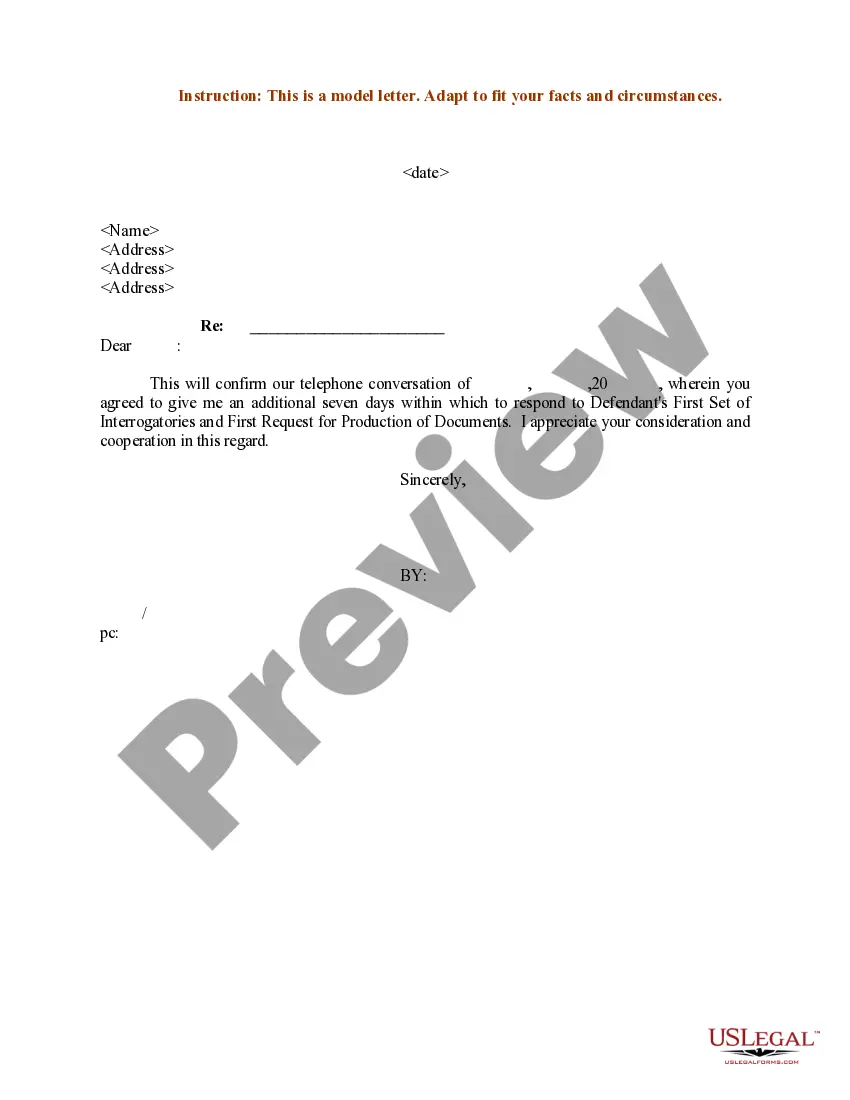
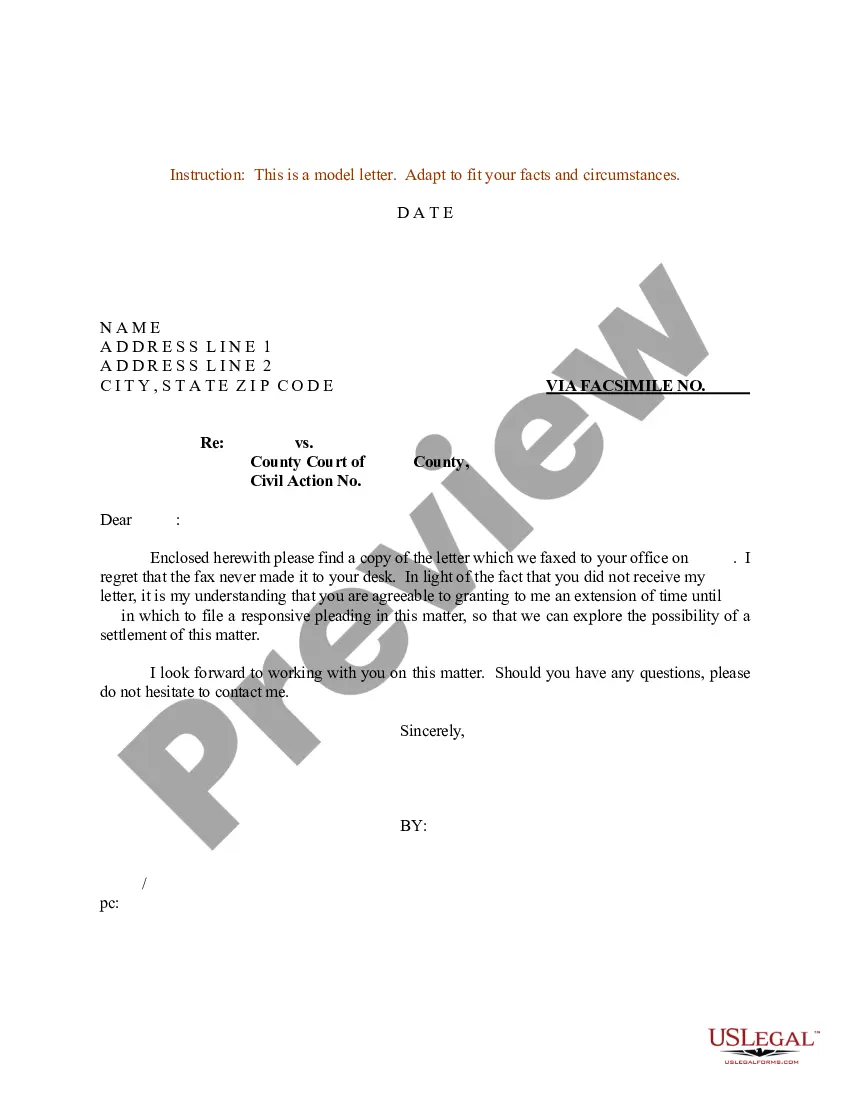
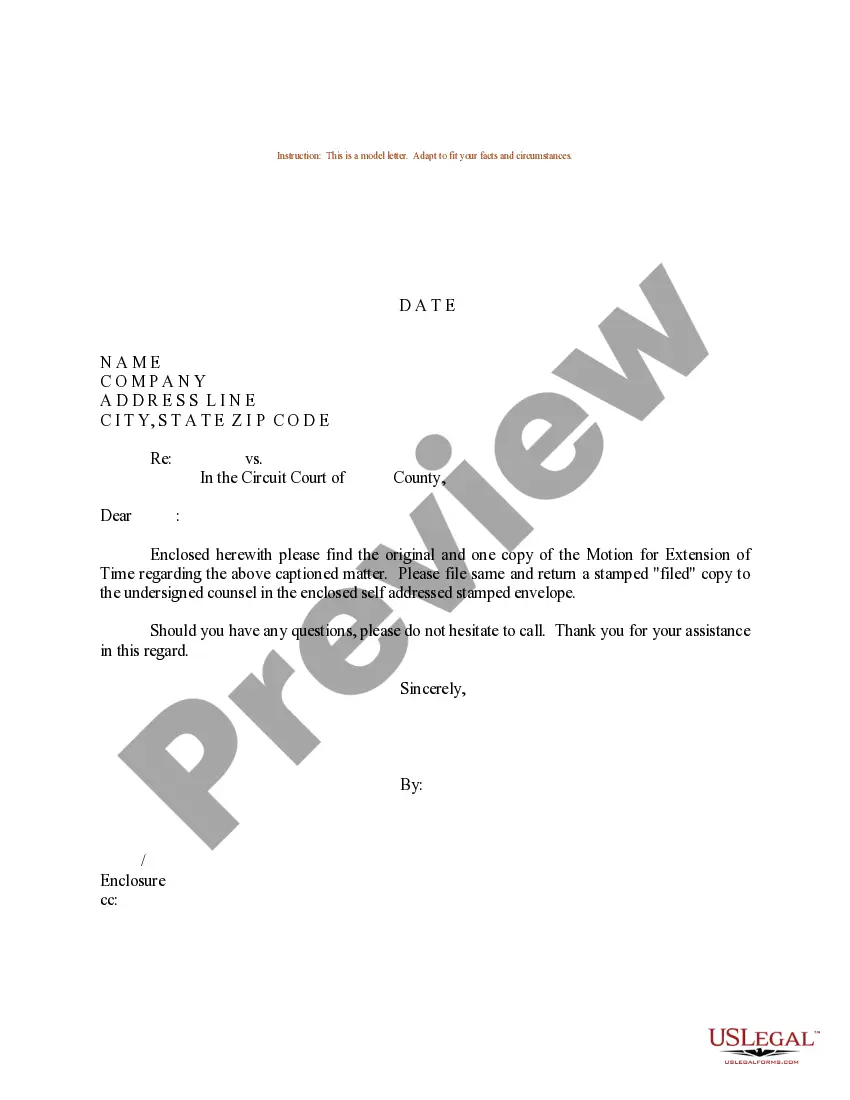
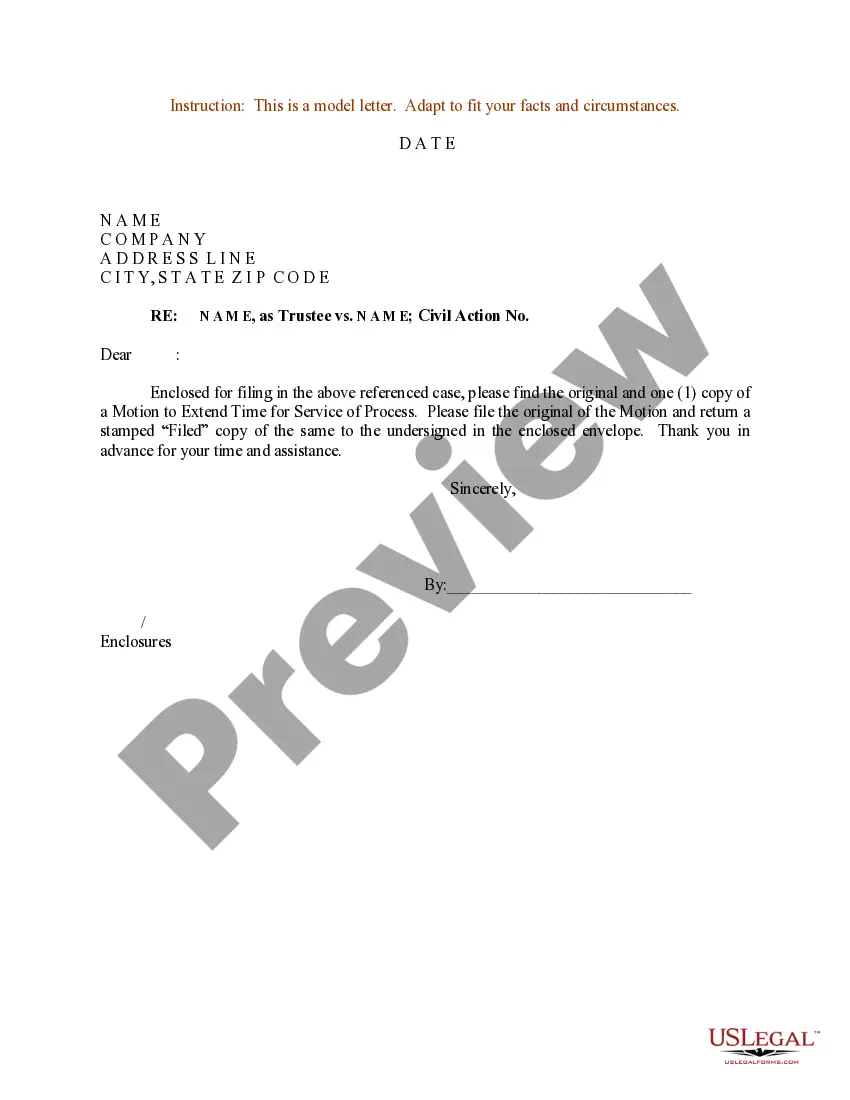
Get your form ready online
Our built-in tools help you complete, sign, share, and store your documents in one place.
Make edits, fill in missing information, and update formatting in US Legal Forms—just like you would in MS Word.
Download a copy, print it, send it by email, or mail it via USPS—whatever works best for your next step.
Sign and collect signatures with our SignNow integration. Send to multiple recipients, set reminders, and more. Go Premium to unlock E-Sign.
If this form requires notarization, complete it online through a secure video call—no need to meet a notary in person or wait for an appointment.
We protect your documents and personal data by following strict security and privacy standards.

Make edits, fill in missing information, and update formatting in US Legal Forms—just like you would in MS Word.

Download a copy, print it, send it by email, or mail it via USPS—whatever works best for your next step.

Sign and collect signatures with our SignNow integration. Send to multiple recipients, set reminders, and more. Go Premium to unlock E-Sign.

If this form requires notarization, complete it online through a secure video call—no need to meet a notary in person or wait for an appointment.

We protect your documents and personal data by following strict security and privacy standards.
Looking for another form?








Form popularity
FAQ
Step-by-Step Guide: How to Write an EOT Notice Review the Contract. Describe the Delay Event. Assess the Schedule Impact. Propose a New Completion Date. List Mitigation Efforts. Compile Supporting Evidence. Draft the Notice. Submit Promptly.
An extension of time is usually only given if the contractor proves that the delay to the completion date is not down to his action or inaction. Common reasons for an extension of time would include adverse weather, variations to the works from the employer or difficulties encountered on site.
How to Draft an Extension of Time (EOT) Claim: A Step-by-Step template guide Executive Summary. Project Information. Contract Information. Approved Baseline Programme & Schedule Updates. Contractor's Progress. Delay Notices and Change Order Request. Time Bar Notice. Contract Clauses Aiding the Claim:
An extension of time is a contractual mechanism that permits the adjustment of an existing completion date of a construction contract where certain conditions are met. The failure to claim for an extension of time where delay has not been the fault of the contractor can have serious financial consequences.
How to Draft an Extension of Time (EOT) Claim: A Step-by-Step template guide Executive Summary. Project Information. Contract Information. Approved Baseline Programme & Schedule Updates. Contractor's Progress. Delay Notices and Change Order Request. Time Bar Notice. Contract Clauses Aiding the Claim:
Extensions of time (EOT) refer to the additional time given to complete the construction project beyond the original agreed completion date. EOTs are granted when there are delays caused by unforeseen circumstances, which are beyond the control of the contractor.
An EOT (extension of time) is a request to move the completion date of a project due to causes that could not be foreseen at the time of contract signing. EOT requests can come from the following reasons: Adverse weather conditions.
Requesting a deadline extension You may ask for an extension. Make sure you have a concrete and appropriate reason for asking for an extension. Don't wait until the last minute to ask for an extension. Be tactful and diplomatic in your wording. For the sake of speed, phone the employer to discuss the situation.
Use these steps to help you make an effective deadline extension request: Determine deadline importance. Decide how to ask. Provide a specific reason. Show your dedication. Offer to share your progress. Set a reasonable new deadline. Show gratitude.
Typical examples include adverse weather conditions, unforeseen site conditions, delays caused by the client or a third party (such as the client's consultant or nominated contractor), changes in project scope or a 'force majeure' event, such as war, terrorism or the outbreak of disease (COVID-19 was a prime example).

