Pleading For Mercy In Pennsylvania
Description
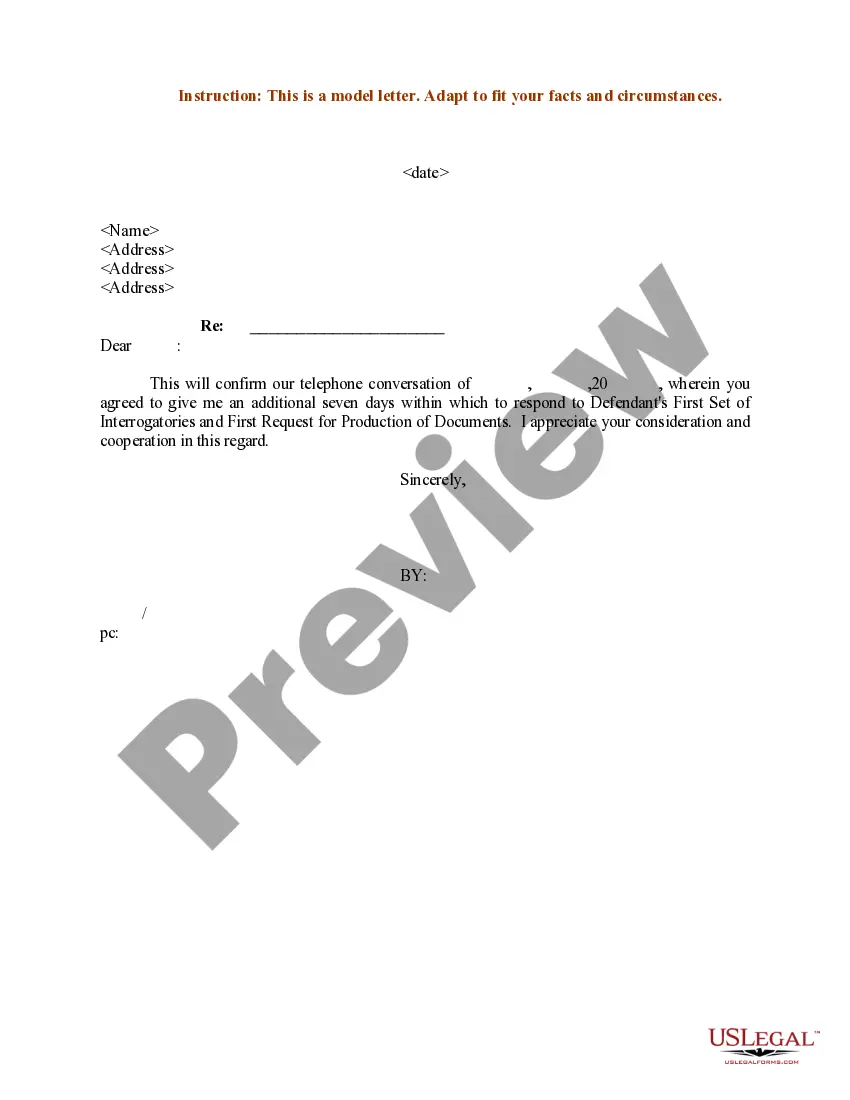
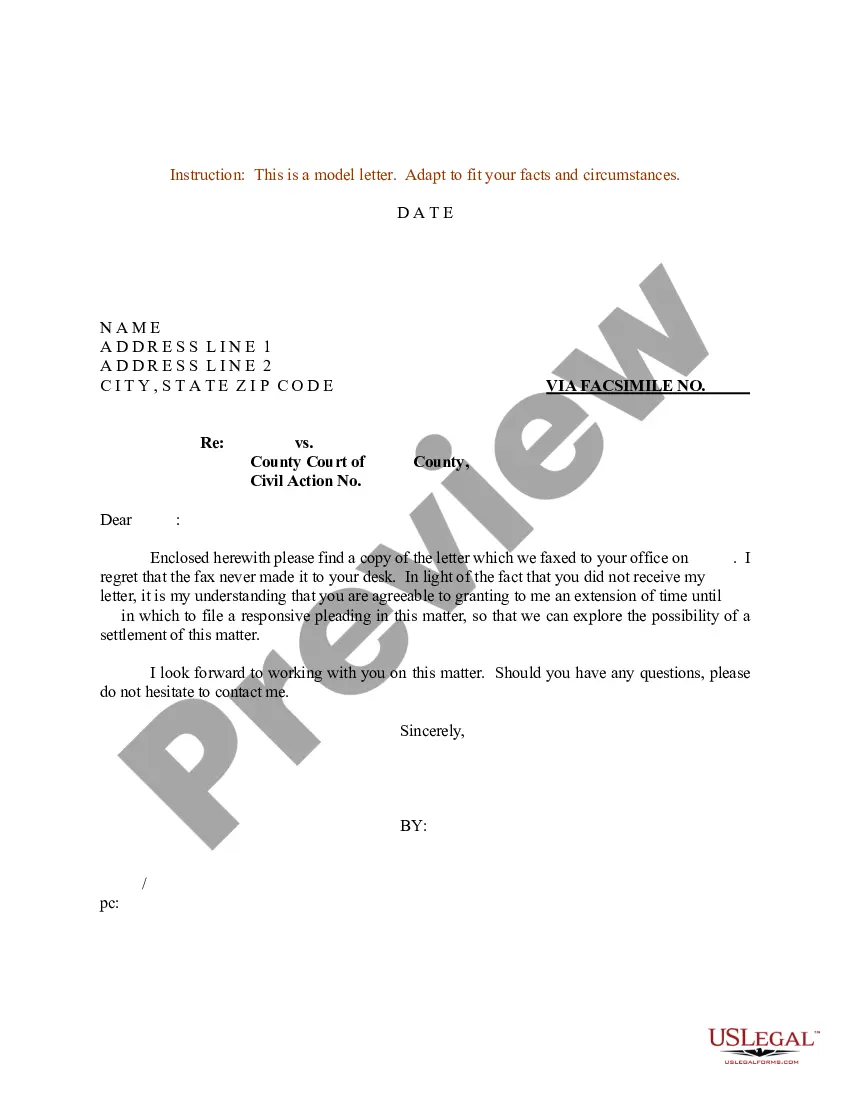


Get your form ready online
Our built-in tools help you complete, sign, share, and store your documents in one place.
Make edits, fill in missing information, and update formatting in US Legal Forms—just like you would in MS Word.
Download a copy, print it, send it by email, or mail it via USPS—whatever works best for your next step.
Sign and collect signatures with our SignNow integration. Send to multiple recipients, set reminders, and more. Go Premium to unlock E-Sign.
If this form requires notarization, complete it online through a secure video call—no need to meet a notary in person or wait for an appointment.
We protect your documents and personal data by following strict security and privacy standards.

Make edits, fill in missing information, and update formatting in US Legal Forms—just like you would in MS Word.

Download a copy, print it, send it by email, or mail it via USPS—whatever works best for your next step.

Sign and collect signatures with our SignNow integration. Send to multiple recipients, set reminders, and more. Go Premium to unlock E-Sign.

If this form requires notarization, complete it online through a secure video call—no need to meet a notary in person or wait for an appointment.

We protect your documents and personal data by following strict security and privacy standards.
Looking for another form?








Form popularity
FAQ
Present statutory sentencing law—at least outside the death penalty realm—does not explicitly address mercy. This does not mean that mercy is never granted by sentencing courts, but rather that judges are left to determine for themselves its permissibility. Some judges may decide to extend mercy at least on occasion.
When explaining your reasons for leniency, use stories or specific examples to illustrate your points. For instance, if the defendant is dedicated to community service, describe specific instances where they have contributed positively to the community. Mention dates and provide details about their actions.
Most judges are likely to show some form of “leniency” when presented with someone with an otherwise clean record who takes responsibility for the choices that they have made and the actions that they have taken, and demonstrates legitimate remorse for any harm that they may have caused.
At the same time, it is thought proper-indeed, meritorious-for the judge, in an appropriate case, to show mercy, taking account of specialfactors present in the case to conclude that she should impose a sentence more lenient than what "strict justice" would call for.
Unlike jurors, judges are expected to put their emotional reactions to litigants aside.
Mercy means compassionate treatment or behavior towards criminal offenders or those in distress, especially in imprisonment. For example, in criminal cases, a plea of the defendant tacitly admits his guilt by throwing himself at the mercy of the court.
You typically write a leniency letter after the defendant has been convicted of a crime, but before they are sentenced. This allows the judge to consider the letter in their deliberations, potentially leading to a more lenient sentence for the defendant.
Time and again, Pennsylvania courts have noted that our jurisdiction is a fact pleading jurisdiction in which a plaintiff “must set forth concisely the facts upon which a cause of action is based.” Cianfrani v.
Motion for Judgment on the Pleadings. Under Pennsylvania law, a motion for judgment on the pleadings is granted only where the pleadings demonstrate that no genuine issue of fact exists, and the moving party is entitled to judgment as a matter of law. Pa. R.C.P.
There are several types of pleadings in civil litigation. These include complaints, which serve as the basis of the legal action, and answers, which are the responses to the complaints. There may also be counterclaims, crossclaims, and third-party claims, which are also types of pleadings.

