Pleading With You In Ohio
Description
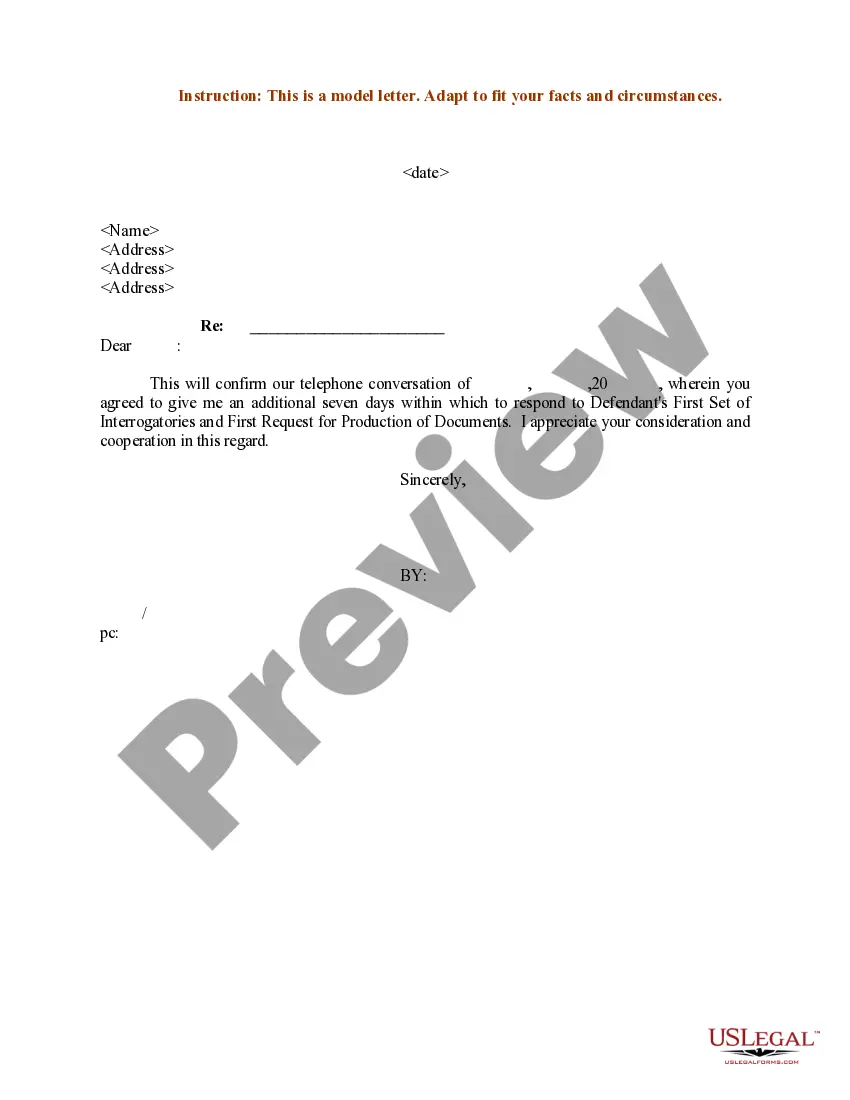
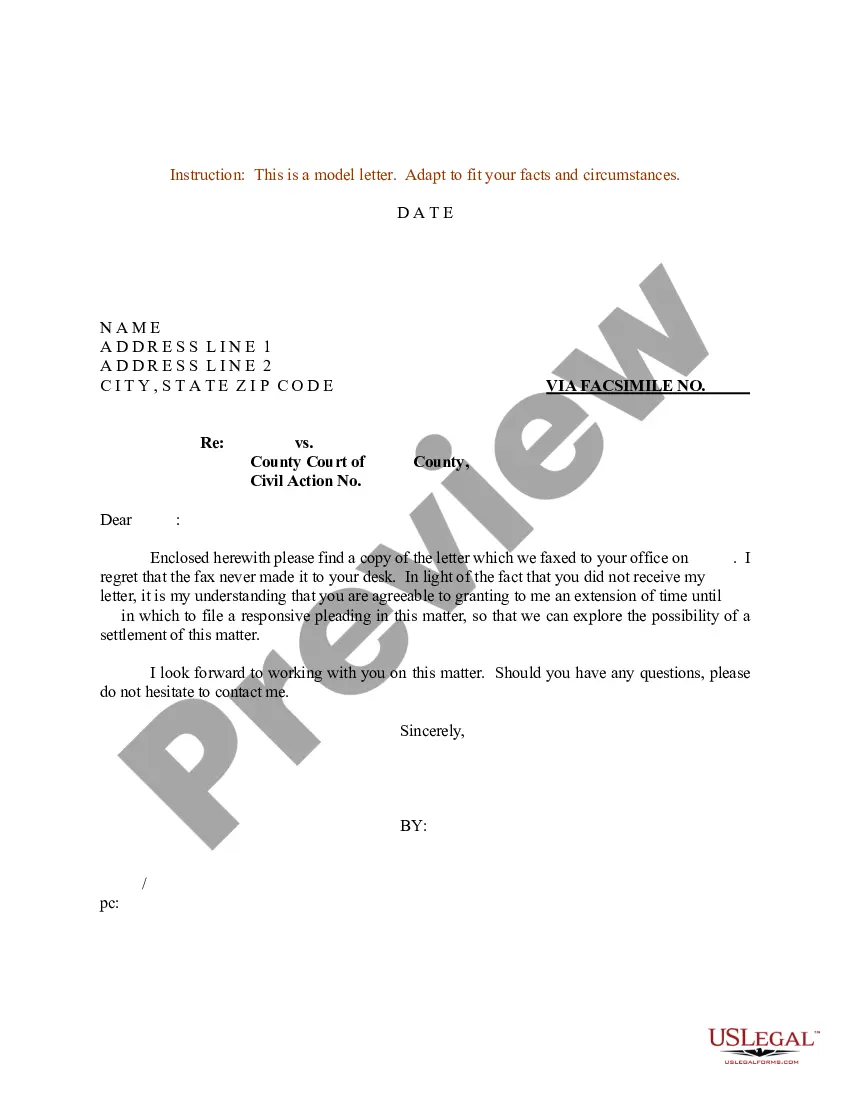


Get your form ready online
Our built-in tools help you complete, sign, share, and store your documents in one place.
Make edits, fill in missing information, and update formatting in US Legal Forms—just like you would in MS Word.
Download a copy, print it, send it by email, or mail it via USPS—whatever works best for your next step.
Sign and collect signatures with our SignNow integration. Send to multiple recipients, set reminders, and more. Go Premium to unlock E-Sign.
If this form requires notarization, complete it online through a secure video call—no need to meet a notary in person or wait for an appointment.
We protect your documents and personal data by following strict security and privacy standards.

Make edits, fill in missing information, and update formatting in US Legal Forms—just like you would in MS Word.

Download a copy, print it, send it by email, or mail it via USPS—whatever works best for your next step.

Sign and collect signatures with our SignNow integration. Send to multiple recipients, set reminders, and more. Go Premium to unlock E-Sign.

If this form requires notarization, complete it online through a secure video call—no need to meet a notary in person or wait for an appointment.

We protect your documents and personal data by following strict security and privacy standards.
Looking for another form?








Form popularity
FAQ
Rule 33(A) Availability; procedures for use This provision ensures that the court and parties are not required to consult two documents or different parts of the same document in order to review the full text of an interrogatory and the corresponding answer or objection.
Rule 45 allows discovery to be obtained from nonparties in a manner that closely parallels Rule 34 discovery of parties. Civ. R. 45(A) and 45(D)(2) clarify that a party may use subpoenas to obtain electronically stored information from nonparties.
Rule 37-Failure to Make or Cooperate in Discovery: Sanctions. (a) Motion for Order Compelling Disclosure or Discovery. A party, upon reasonable notice to other parties and all persons affected thereby, may apply for an order compelling disclosure or discovery as follows: (1) Appropriate Court.
Except for motions made during a hearing or during trial, motions are required to be in writing. They must also be filed in court and served on the opposing party's attorney (or the party if not represented by counsel).
Rule 32 - Use of Depositions in Court Proceedings (A) Use of depositions. Every deposition intended to be presented as evidence must be filed at least one day before the day of trial or hearing unless for good cause shown the court permits a later filing.
The division establishes a twenty-eight- day deadline for service of responses to motions for summary judgment, and a fourteen-day deadline for service of responses to all other motions. A movant's reply to a response to any motion may be served within seven days after service of the response.
Rule 30(B)(5) applies to depositions of both party and nonparty corporations. For nonparty deponent corporations, the rule requires that the noticing party issue a subpoena pursuant to Civ. R. 45.
30. Each party at the deposition may examine the deponent without regard to which party served notice or called the deposition. In all other respects the examination and cross-examination of a deponent may proceed as they would at trial under the Ohio Rules of Evidence, except Evid.
Fact-Checked Injury to PersonTwo years (Refer to §2305.11(a), 2305.10, & 2305.111) Libel/Slander One year (Refer to §2305.11(a)) Fraud Four years (Refer to §2305.09(c)) Injury to Personal Property Two years (Refer to §2305.10)6 more rows •

