Pleading With In North Carolina
Description

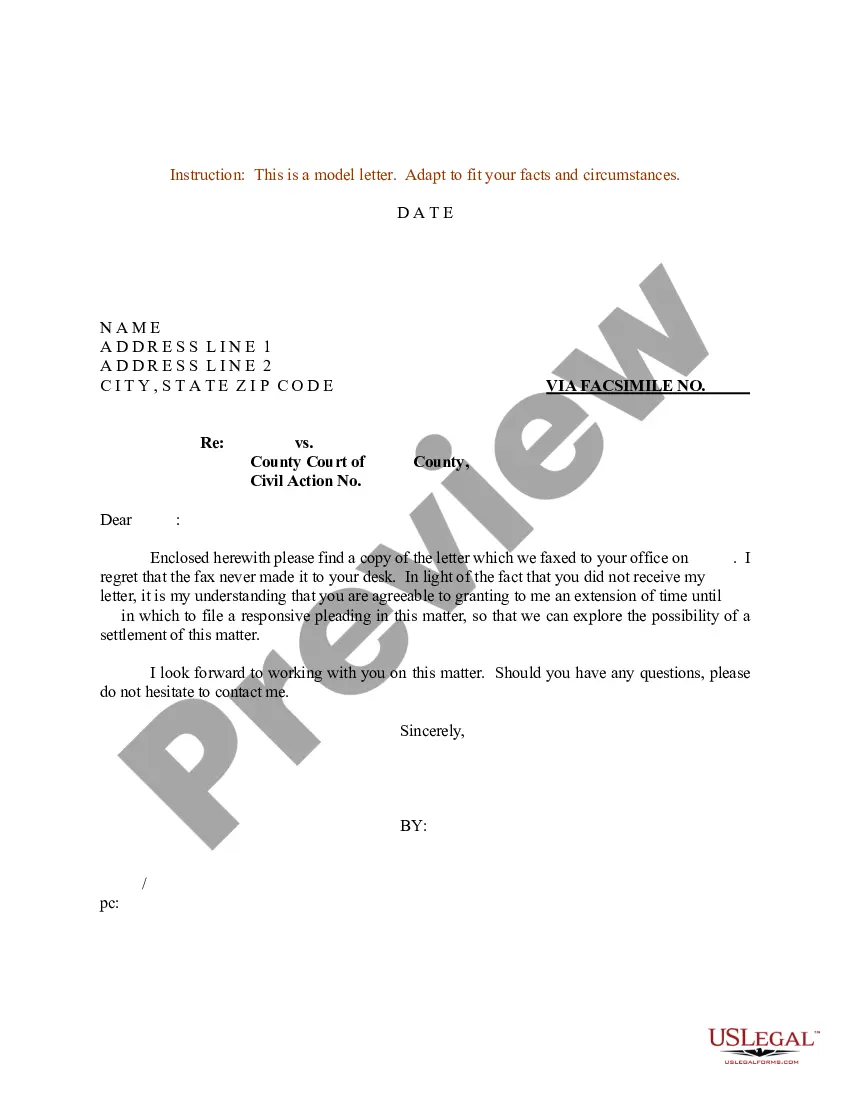


Get your form ready online
Our built-in tools help you complete, sign, share, and store your documents in one place.
Make edits, fill in missing information, and update formatting in US Legal Forms—just like you would in MS Word.
Download a copy, print it, send it by email, or mail it via USPS—whatever works best for your next step.
Sign and collect signatures with our SignNow integration. Send to multiple recipients, set reminders, and more. Go Premium to unlock E-Sign.
If this form requires notarization, complete it online through a secure video call—no need to meet a notary in person or wait for an appointment.
We protect your documents and personal data by following strict security and privacy standards.

Make edits, fill in missing information, and update formatting in US Legal Forms—just like you would in MS Word.

Download a copy, print it, send it by email, or mail it via USPS—whatever works best for your next step.

Sign and collect signatures with our SignNow integration. Send to multiple recipients, set reminders, and more. Go Premium to unlock E-Sign.

If this form requires notarization, complete it online through a secure video call—no need to meet a notary in person or wait for an appointment.

We protect your documents and personal data by following strict security and privacy standards.
Looking for another form?
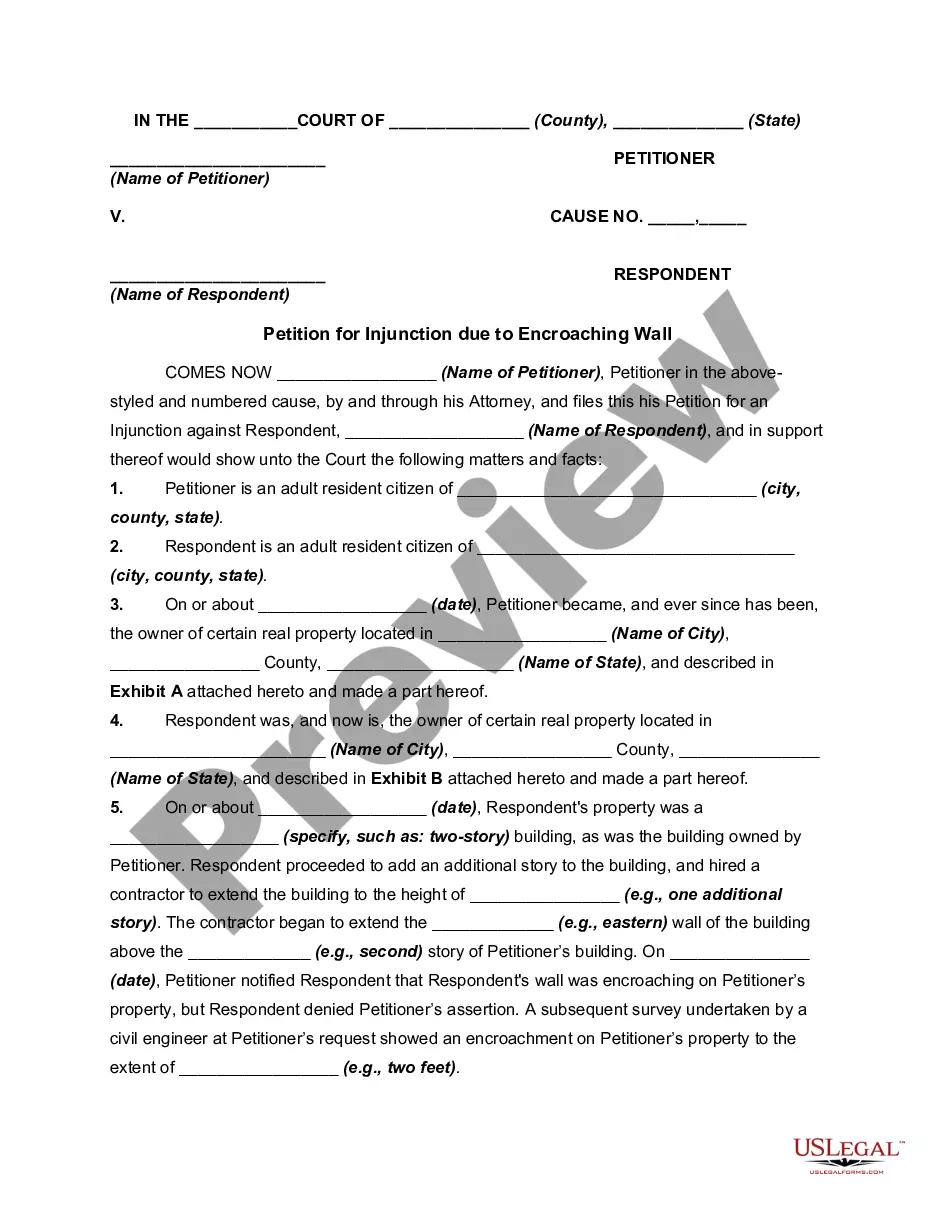
Form popularity
FAQ
Rule 11. – Every pleading, motion, and other paper of a party represented by an attorney shall be signed by at least one attorney of record in his individual name, whose address shall be stated.
Answer: The three main types of pleadings in a legal case are the complaint, the answer, and the reply. The complaint initiates the lawsuit, outlining the plaintiff's allegations; the answer responds to these allegations, often including any defenses; and the reply addresses any counterclaims raised in the answer.
A. After judgment is given in Small Claims Court, both the plaintiff and the defendant have the right to appeal the Magistrate's decision. An appeal allows either side to get a new trial in District Court. This means you will have to present your evidence and witnesses again.
Pleadings must be written formally ing to the rules of civil procedure and are generally classified as complaints and answers. Pleadings can be filed at any time during a court proceeding, but they are usually filed early in the trial process (usually pre-trial, or before the case is heard by the judge in court).
Filers are responsible for accomplishing service of all filings as required by applicable court rules. For this purpose, filers may use the mail service, serve by hand delivery, send an email, or use eFiling as it offers the option of electronic service of each filing to the designated service contact.
Things You Should Know Write your legal argument by stating the rule and explaining how your facts apply to it. Then, add your signature, a Certificate of Service, and a Notice of Hearing. File your motion with the clerk of court overseeing your case. Then, give copies to each defendant.
A motion is an application to the court made by the prosecutor or defense attorney, requesting that the court make a decision on a certain issue before the trial begins. The motion can affect the trial, courtroom, defendants, evidence, or testimony.
General format - each motion generally consists of a case caption, a title that briefly identifies the relief sought, a series of numbered paragraphs that explains -- in a logical way -- why you are entitled to that relief, a prayer for relief, a signature block, a certification that a copy of the motion was sent to ...
Filing the Documents Take the original and two (2) copies of the Motion to the Civil Division of the Clerk of Superior Court's office in the county where your case is filed. The Clerk will stamp each Motion “filed,” place the original in the Court file and return two (2) copies of the “filed” document to you.
- (1) Each averment of a pleading shall be simple, concise, and direct. No technical forms of pleading or motions are required. (2) A party may set forth two or more statements of a claim or defense alternatively or hypothetically, either in one count or defense or in separate counts or defenses.

