Pleading Form Template In North Carolina
Description
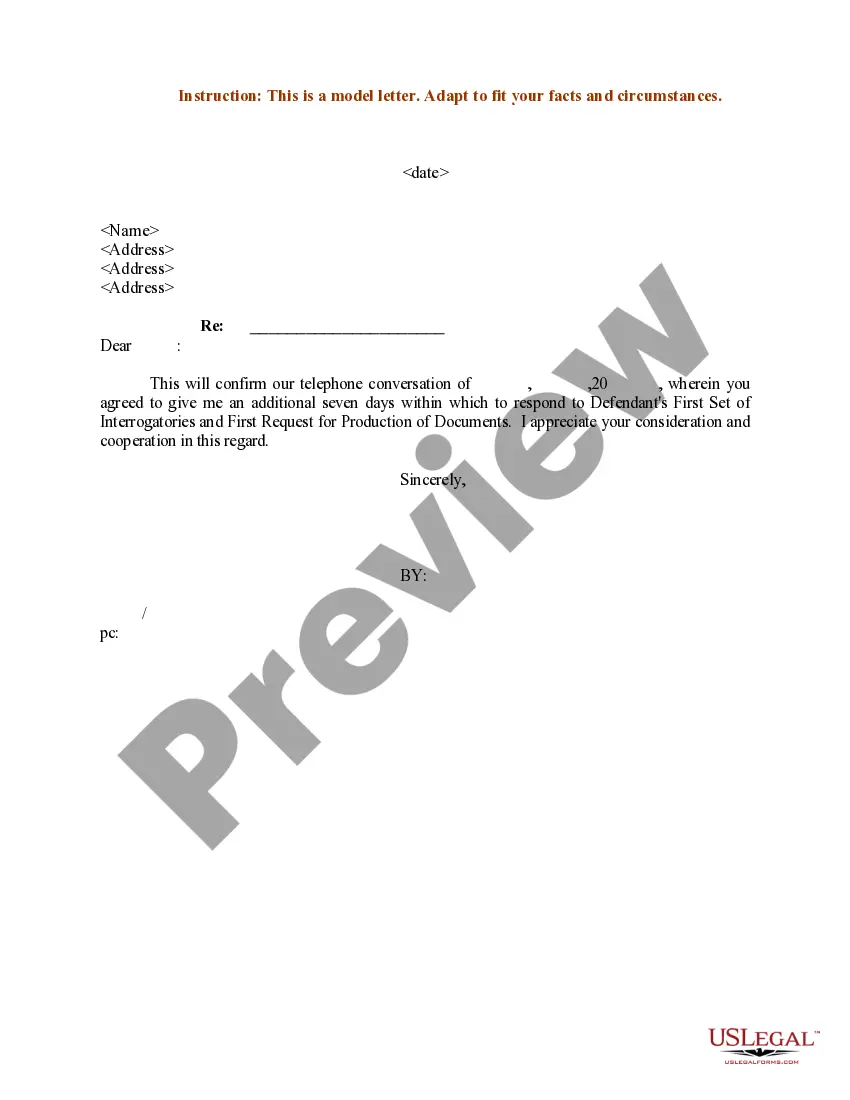
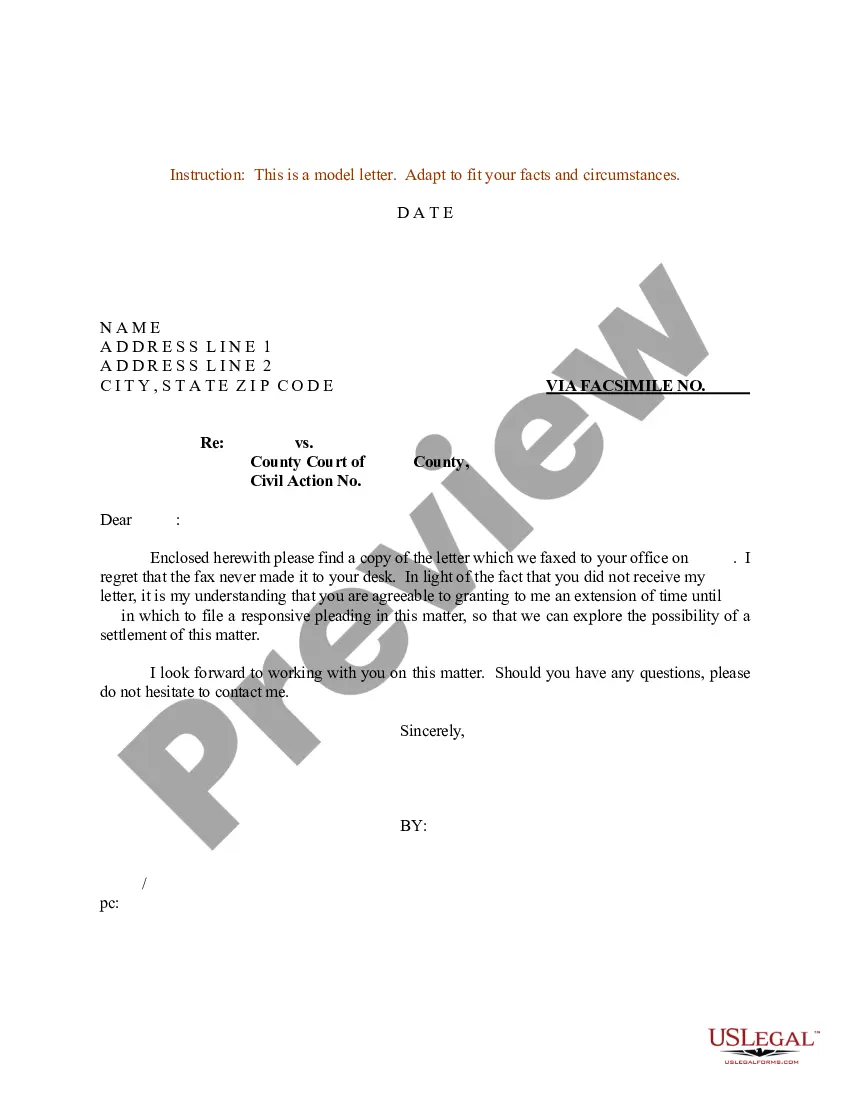


Get your form ready online
Our built-in tools help you complete, sign, share, and store your documents in one place.
Make edits, fill in missing information, and update formatting in US Legal Forms—just like you would in MS Word.
Download a copy, print it, send it by email, or mail it via USPS—whatever works best for your next step.
Sign and collect signatures with our SignNow integration. Send to multiple recipients, set reminders, and more. Go Premium to unlock E-Sign.
If this form requires notarization, complete it online through a secure video call—no need to meet a notary in person or wait for an appointment.
We protect your documents and personal data by following strict security and privacy standards.

Make edits, fill in missing information, and update formatting in US Legal Forms—just like you would in MS Word.

Download a copy, print it, send it by email, or mail it via USPS—whatever works best for your next step.

Sign and collect signatures with our SignNow integration. Send to multiple recipients, set reminders, and more. Go Premium to unlock E-Sign.

If this form requires notarization, complete it online through a secure video call—no need to meet a notary in person or wait for an appointment.

We protect your documents and personal data by following strict security and privacy standards.
Looking for another form?

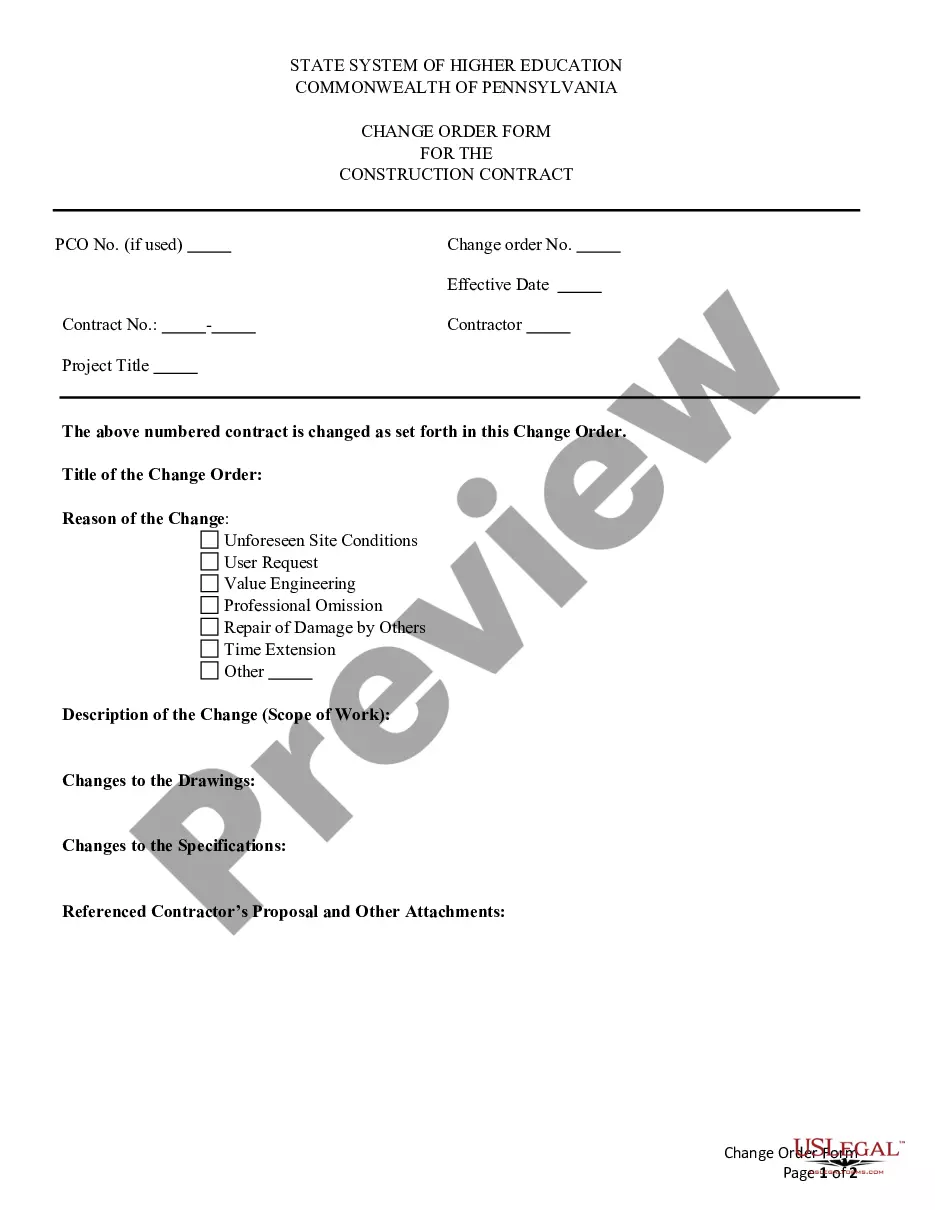
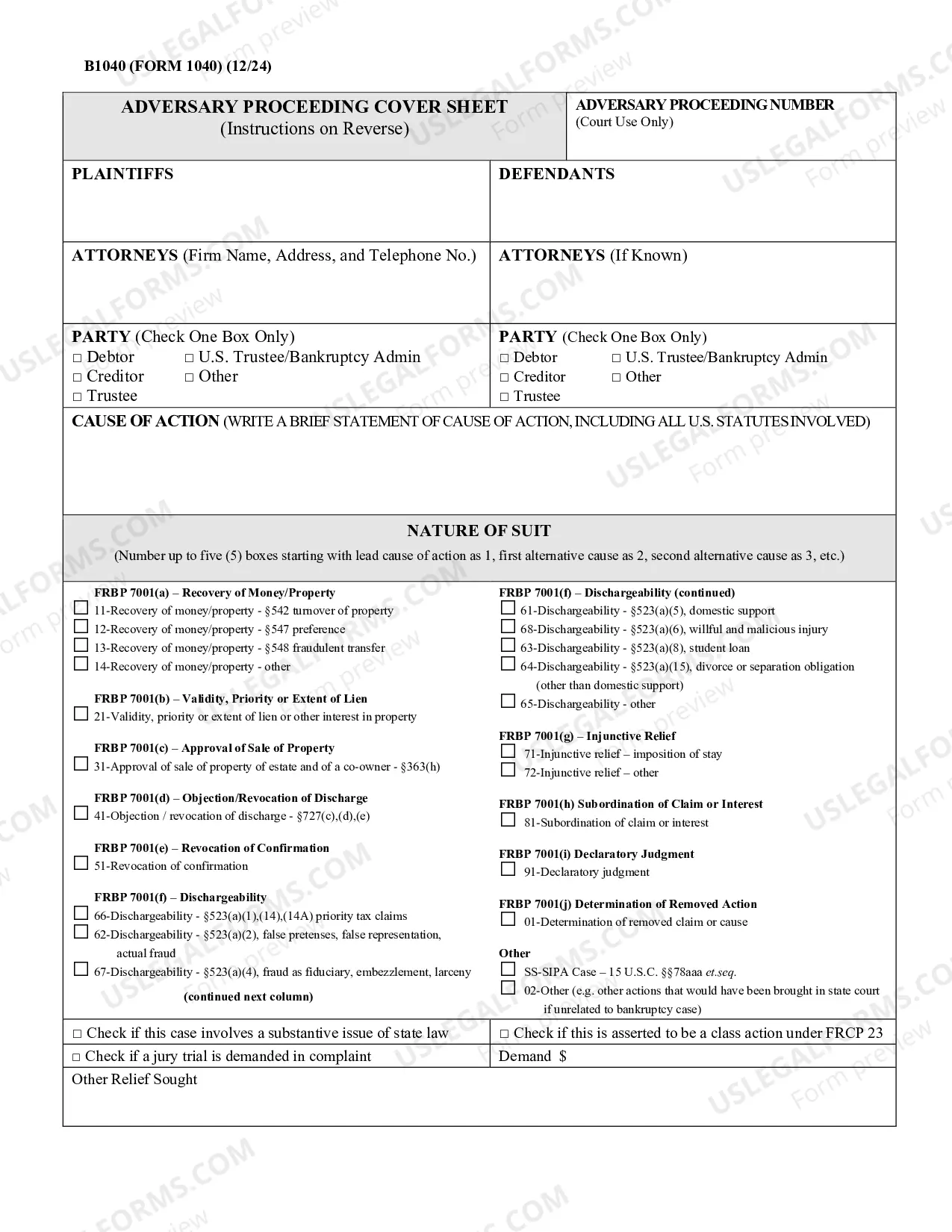


Form popularity
FAQ
North Carolinians are entitled to see any public record. Public bodies must conduct business in public. The Attorney General's Office issues opinions reminding government entities of their obligations under these laws and how to comply.
If you need a copy of a transcript that has been filed with the court, subject to Judicial Conference Policy, you may access the transcript through PACER or at the public terminal located in the clerk's office.
For eCourts counties: You may search Portal online for case information and court records by name, case number, attorney, and more. Individuals performing background checks should use the county clerk's office for doing so, not Portal. For media inquiries, view more information for members of the media.
Under a power of attorney, an individual decides who will assist him or her with important decisions and the management of his or her own affairs and delegates that authority in a written document(s) without a court proceeding.
Information about civil, special proceeding, or estates cases in the North Carolina court system can be accessed on the public, self-service terminals in the clerk of court's office in any county. View a user's manual for the system in which the information is stored.
Digital images of the original wills, arranged alphabetically by name of testator, are available on their website. Some users may find it difficult to find these records on their website. The following instructions should help: Visit Discover Online Catalog (DOC) (North Carolina State Archives catalog)
There are several types of pleadings in civil litigation. These include complaints, which serve as the basis of the legal action, and answers, which are the responses to the complaints. There may also be counterclaims, crossclaims, and third-party claims, which are also types of pleadings.
(a1) A defendant who has been found guilty, or entered a plea of guilty or no contest to a felony, is entitled to appeal as a matter of right the issue of whether his or her sentence is supported by evidence introduced at the trial and sentencing hearing only if the minimum sentence of imprisonment does not fall within ...
Rule 5 of the North Carolina Rules of Civil Procedure requires that a notice of hearing be served on each attorney of record or unrepresented party in a case. G.S. 1A-1, Rule 5(a). Rule 5 also requires that Notices of Hearing be filed with the court "either before service or within five days after service." G.S.
