Confirmation Letter Format For School Teachers In North Carolina
Description
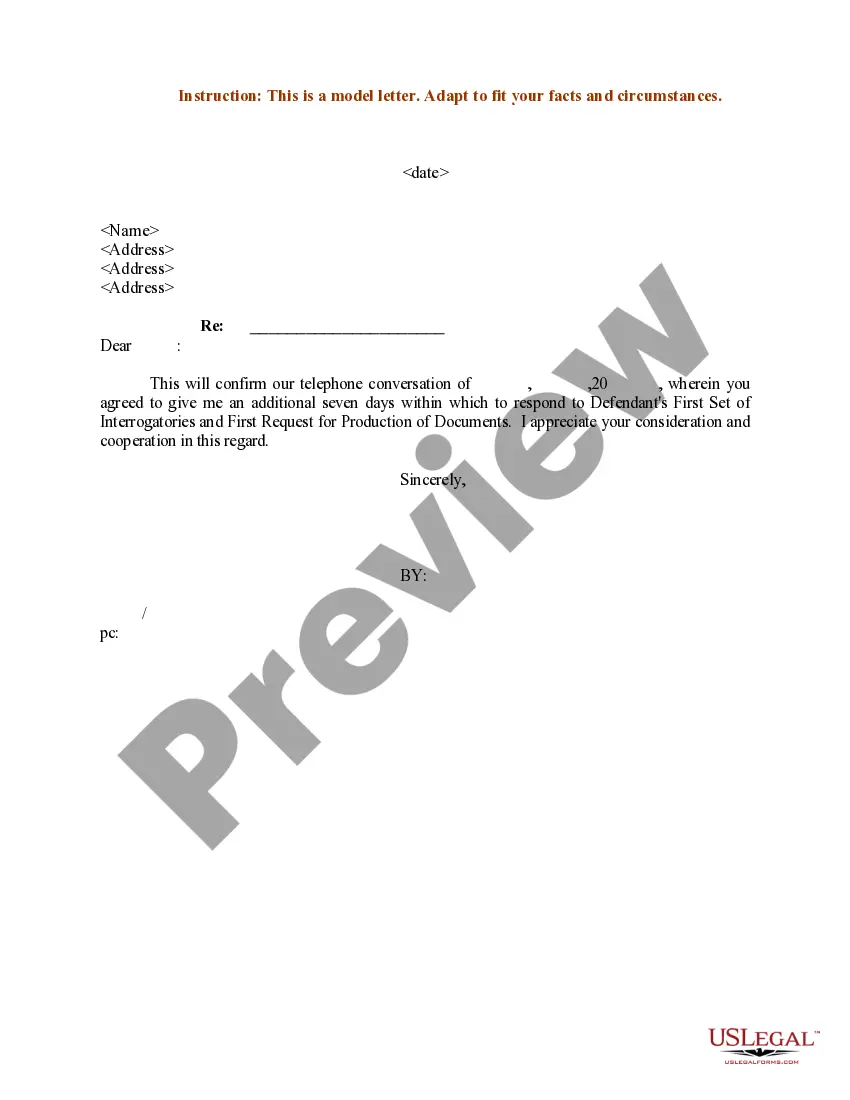
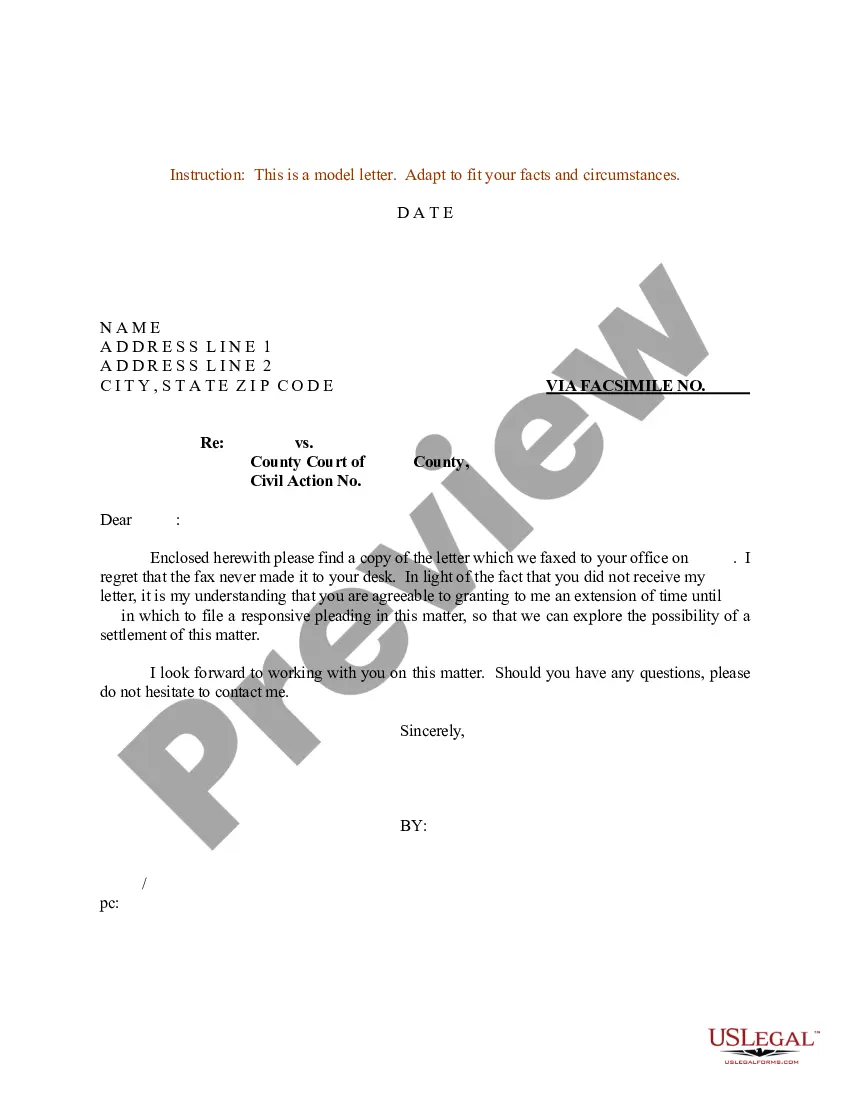


Get your form ready online
Our built-in tools help you complete, sign, share, and store your documents in one place.
Make edits, fill in missing information, and update formatting in US Legal Forms—just like you would in MS Word.
Download a copy, print it, send it by email, or mail it via USPS—whatever works best for your next step.
Sign and collect signatures with our SignNow integration. Send to multiple recipients, set reminders, and more. Go Premium to unlock E-Sign.
If this form requires notarization, complete it online through a secure video call—no need to meet a notary in person or wait for an appointment.
We protect your documents and personal data by following strict security and privacy standards.

Make edits, fill in missing information, and update formatting in US Legal Forms—just like you would in MS Word.

Download a copy, print it, send it by email, or mail it via USPS—whatever works best for your next step.

Sign and collect signatures with our SignNow integration. Send to multiple recipients, set reminders, and more. Go Premium to unlock E-Sign.

If this form requires notarization, complete it online through a secure video call—no need to meet a notary in person or wait for an appointment.

We protect your documents and personal data by following strict security and privacy standards.
Looking for another form?
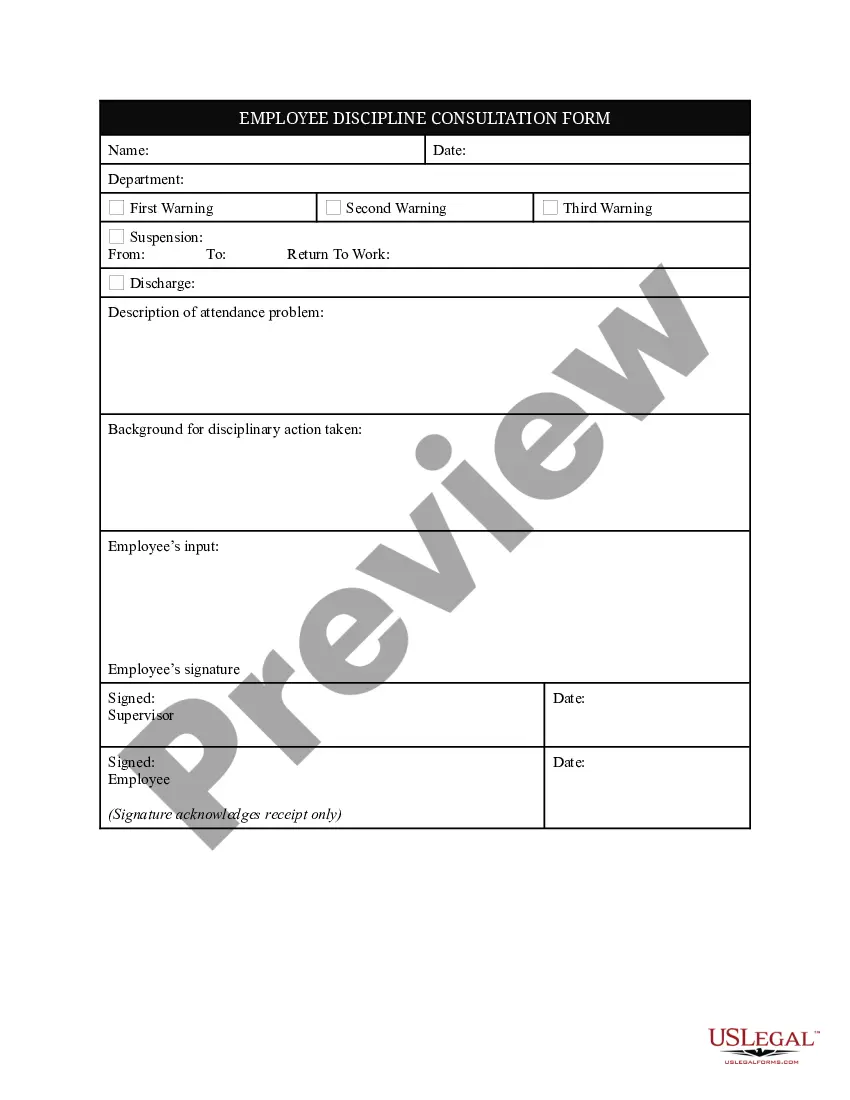



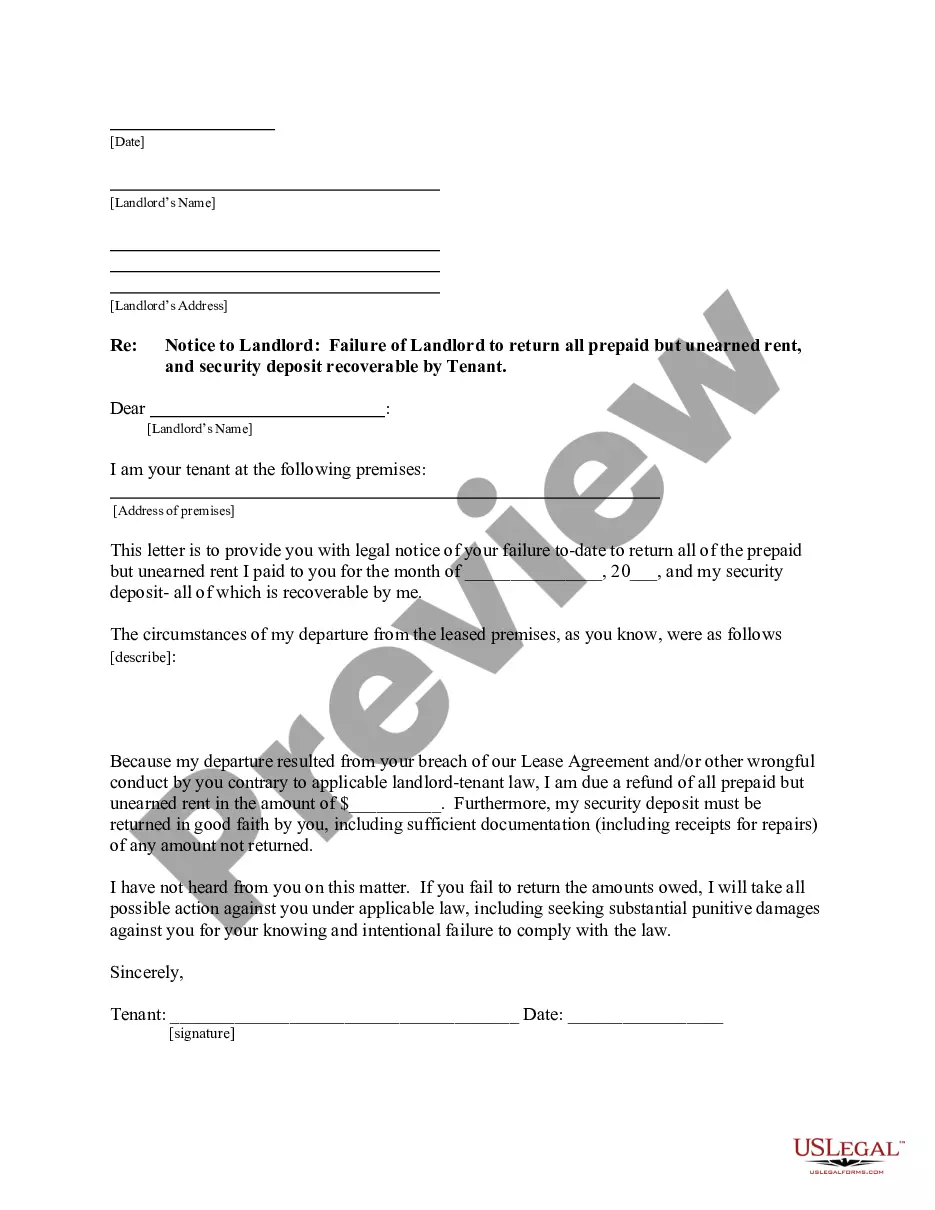





Form popularity
FAQ
Effective July 1, 2019, an individual may be issued a Lifetime License after 30 years of teaching as a licensed teacher in North Carolina that requires no renewal.
North Carolina State Board of Education (SBE) required licensure exams are outlined in policy LICN-003. Prepare and register to take SBE required licensure exams: Pearson. Praxis.
Residency License Students who have earned at least a bachelor's degree from an accredited college or university with a minimum cumulative GPA of 2.7 may be offered employment to teach if certain additional criteria are met.
Requirements for California teaching licenses Let's take a look at a state that does not have full license reciprocity, just to see the difference. California only offers reciprocity for 45 states, including Arizona, Hawai'i, Texas, and New York. Teachers must meet subject matter criteria for their credential area.
The N.C. Department of Public Instruction's State Board policy states that teachers can begin without a teaching license. If the teacher is eligible, the teacher can apply for positions and be hired on a residency license.
Eligibility for NC TEACH is the same as NC DPI's Residency License requirements: A bachelor's degree with at least a 2.70 cumulative GPA. A degree in your content area, at least 24 hours your content area, OR the licensure exams in your content area.
Yes, provided North Carolina has a comparable license area and you have 3 or more years of classroom teaching experience.
This is due to reciprocity agreements. North Carolina has reciprocity agreements, in educator preparation, with most states in the U.S. North Carolina will issue a license to out-of-state applicants based on their degree program completed and/or license that is held from another state.
Writing the Confirmation Letter Step 1: Start with a Proper Salutation. Address the recipient using their professional title and name. Step 2: Clearly State the Purpose of the Letter. Step 3: Provide Relevant Details. Step 4: Include Any Necessary Instructions or Next Steps. Step 5: Express Gratitude and Offer Assistance.
Writing Effective Confirmation Letters Be Clear and Concise: Clearly and concisely outline the details and terms being confirmed. Use Formal Language: Use formal and professional language in the letter. Include Relevant Information: Include all relevant information, such as dates, times, locations, and terms.

