Confirmation Letter Example With Address In North Carolina
Description
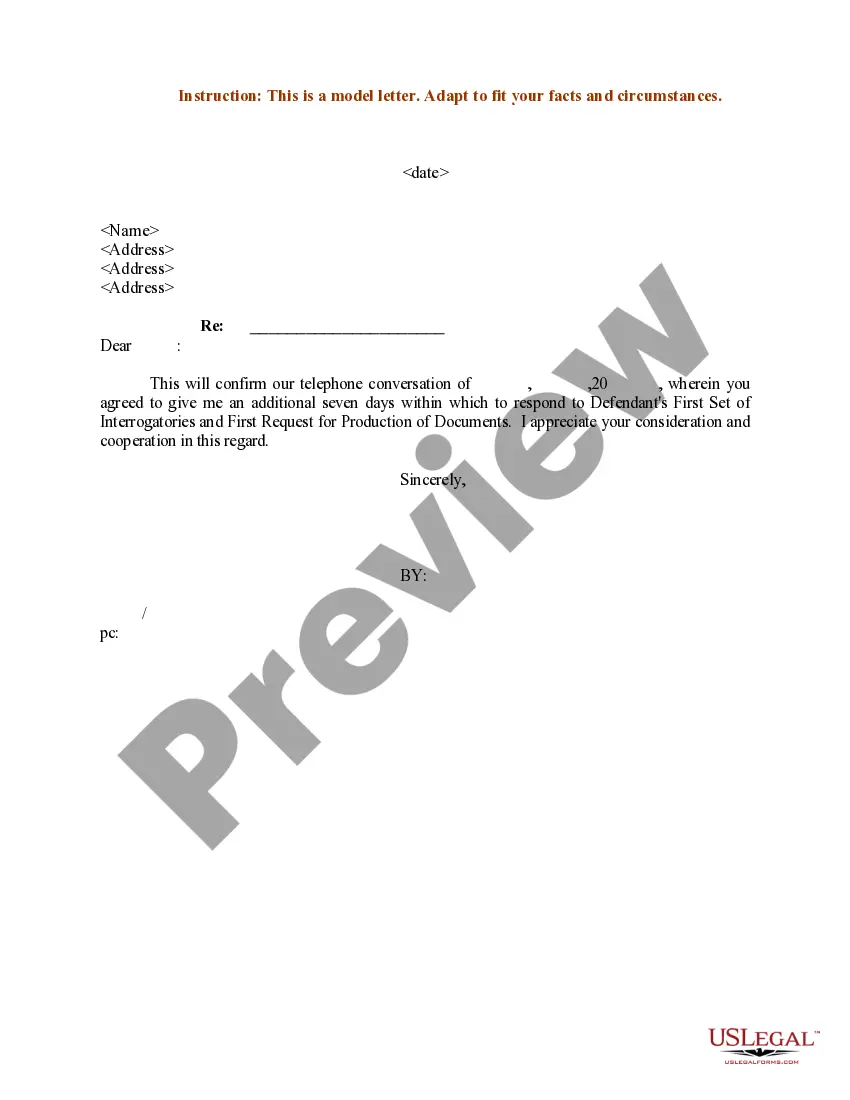
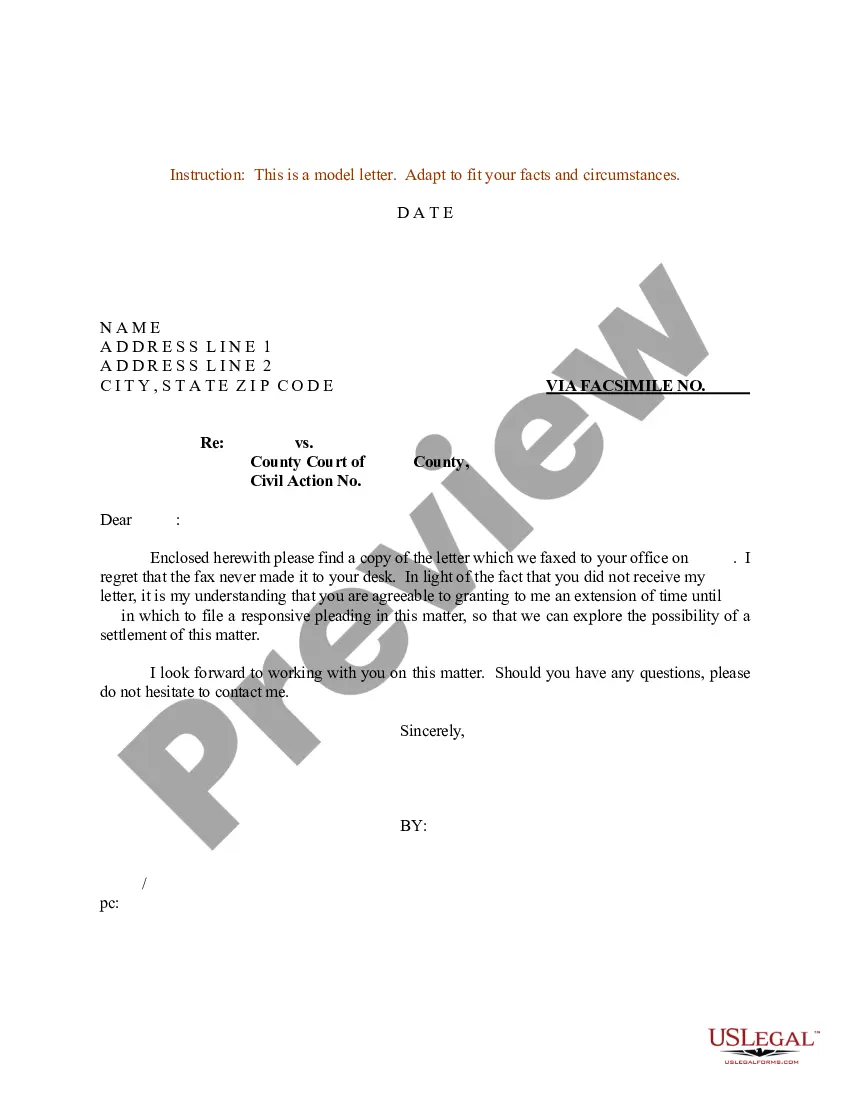


Get your form ready online
Our built-in tools help you complete, sign, share, and store your documents in one place.
Make edits, fill in missing information, and update formatting in US Legal Forms—just like you would in MS Word.
Download a copy, print it, send it by email, or mail it via USPS—whatever works best for your next step.
Sign and collect signatures with our SignNow integration. Send to multiple recipients, set reminders, and more. Go Premium to unlock E-Sign.
If this form requires notarization, complete it online through a secure video call—no need to meet a notary in person or wait for an appointment.
We protect your documents and personal data by following strict security and privacy standards.

Make edits, fill in missing information, and update formatting in US Legal Forms—just like you would in MS Word.

Download a copy, print it, send it by email, or mail it via USPS—whatever works best for your next step.

Sign and collect signatures with our SignNow integration. Send to multiple recipients, set reminders, and more. Go Premium to unlock E-Sign.

If this form requires notarization, complete it online through a secure video call—no need to meet a notary in person or wait for an appointment.

We protect your documents and personal data by following strict security and privacy standards.
Looking for another form?






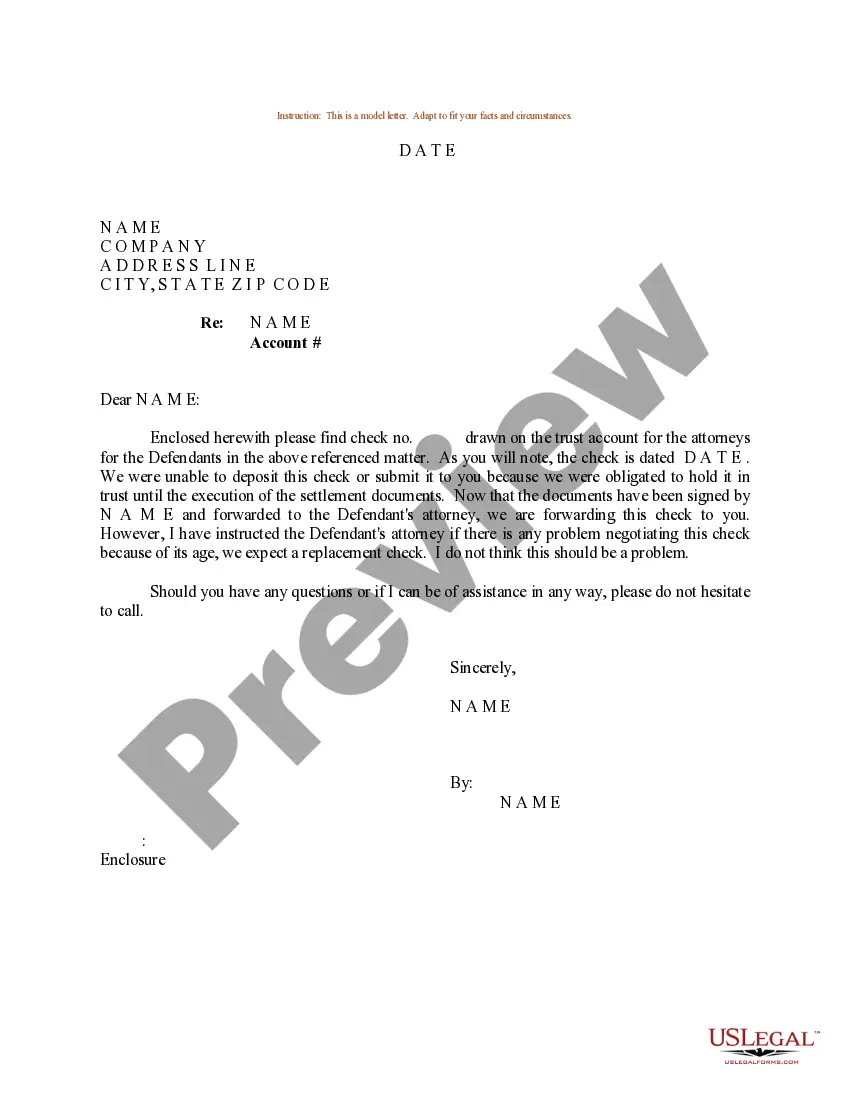

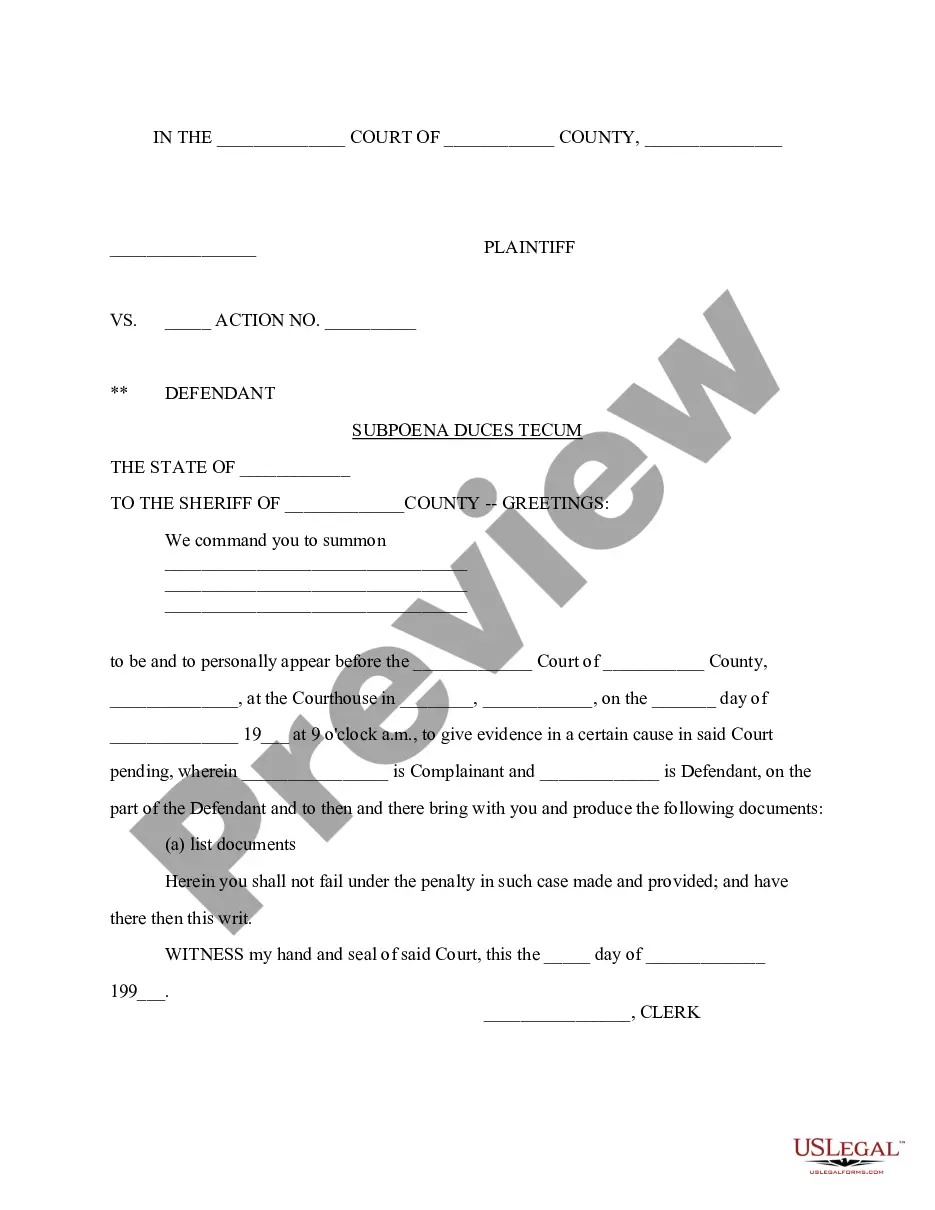
Form popularity
FAQ
Additionally, a proof of residency letter can serve as a sworn statement, often required by various entities such as government agencies and financial institutions, and it is suggested to have it notarized to enhance its credibility.
What is a Proof of Residency Letter from a Family Member? A Family Member Proof of Residency Letter is a document that attests to the fact that an individual lives at a particular address and is usually provided by a family member with whom the person resides.
A Proof of Residency Letter is a formal document used to verify where a person lives. It's often required for tasks like school enrollment, setting up utilities, and applying for government services. Writing one involves including the resident's name, address, move-in date, and a statement of residency.
Writing the Letter as a Resident Start with your legal name. Certify your address. State the length of time you've resided at the residence. Include any other residents. Type your oath. Follow with a closing phrase and your name. Sign and date the letter. Create a line for the notary's signature.
Proving North Carolina Residency Any document issued by the state of North Carolina or a county or city in North Carolina or the federal government North Carolina Vehicle Registration Card, insurance policy or title. North Carolina Voter Precinct Card. Military orders or military documents Utility bill or cable bill.
An Affidavit of Residence is used to confirm an individual's current residential address for various administrative, legal, and official purposes, such as school enrollment, obtaining government benefits, or fulfilling residency requirements.
Confirmation letters include the following components: Recipient Information: The name and contact information of the recipient. Sender Information: The name and contact information of the sender. Date: The date on which the letter is sent. Subject: A brief subject line indicating the purpose of the letter.
If you need to write a confirmation letter, here are five helpful steps you can use to write your own: Include a letter header. Start with an explanation. Add detailed information. Highlight attachments. End with a supportive statement.
If you need to write a confirmation letter, here are five helpful steps you can use to write your own: Include a letter header. Start with an explanation. Add detailed information. Highlight attachments. End with a supportive statement.
Some basic tips to start Let them know how proud of them you are. Give them sound advice that will encourage them to develop and strengthen their faith. Include a blessing. Add an encouraging scripture or a prayer. Choose an appropriate way to sign off before writing your signature.

