Pleading With Particularity In Nassau
Description
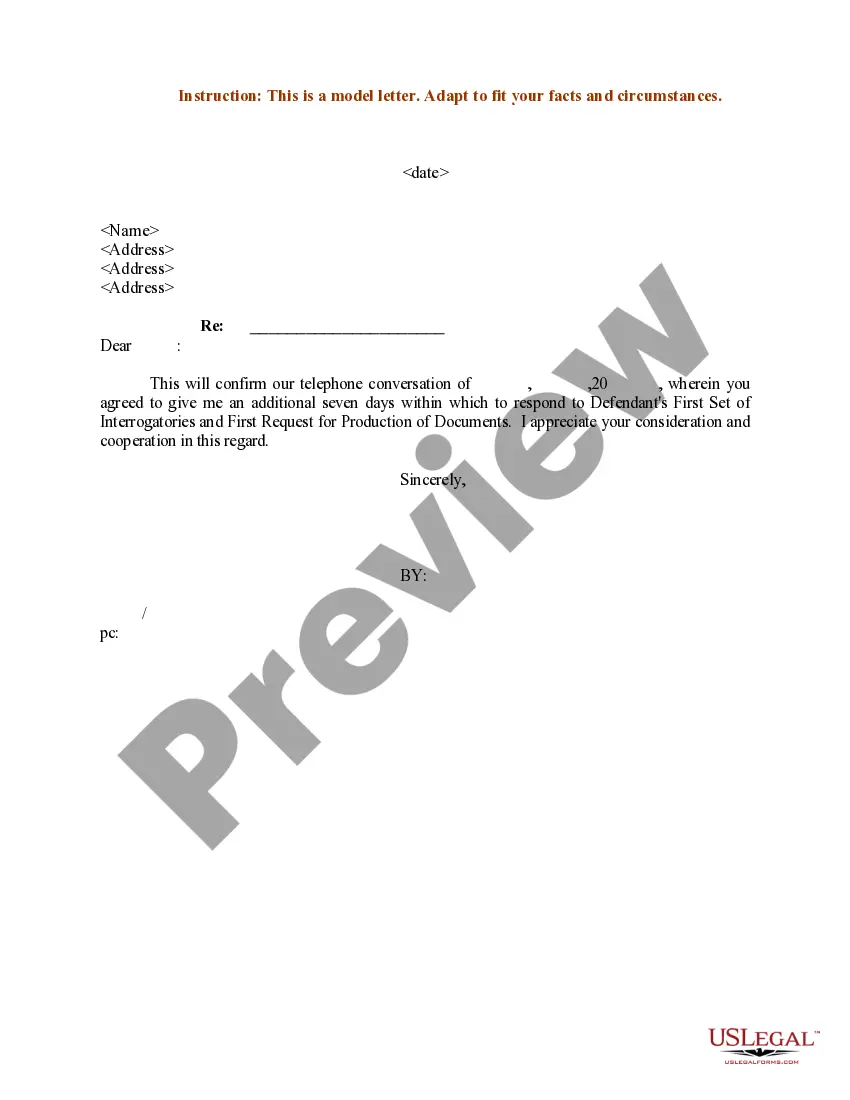
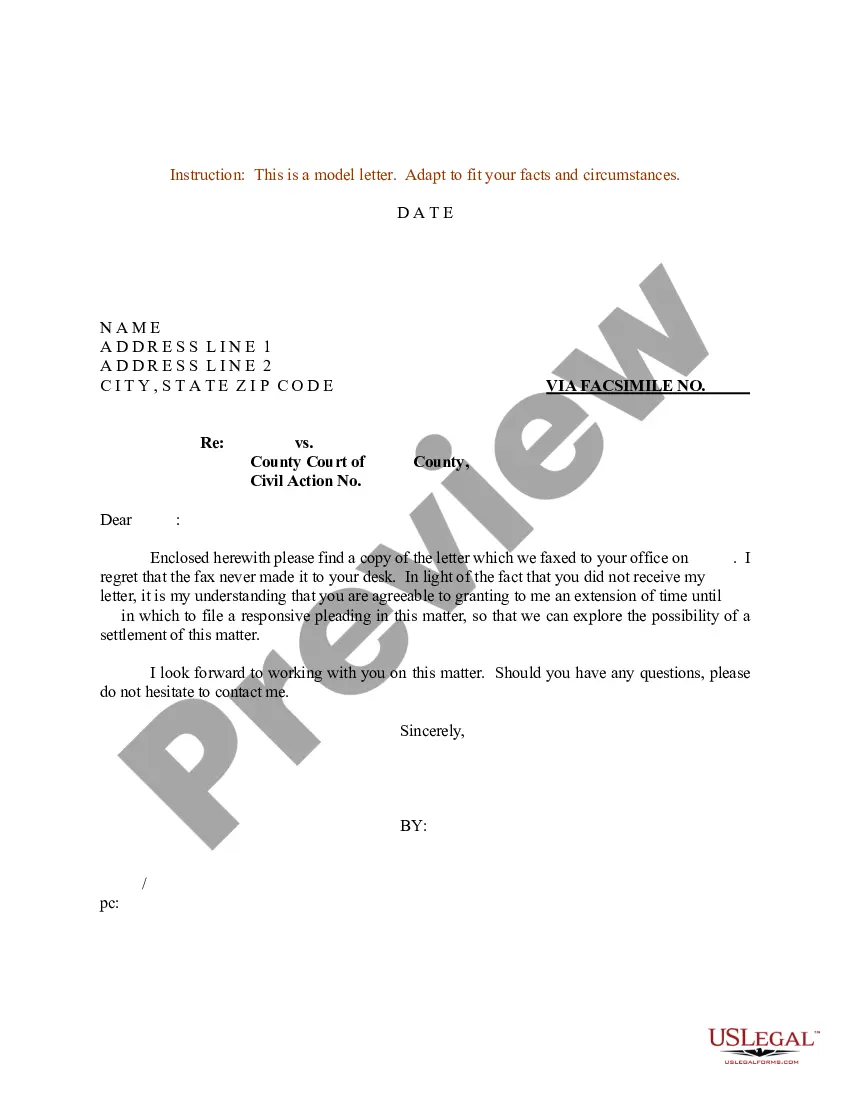
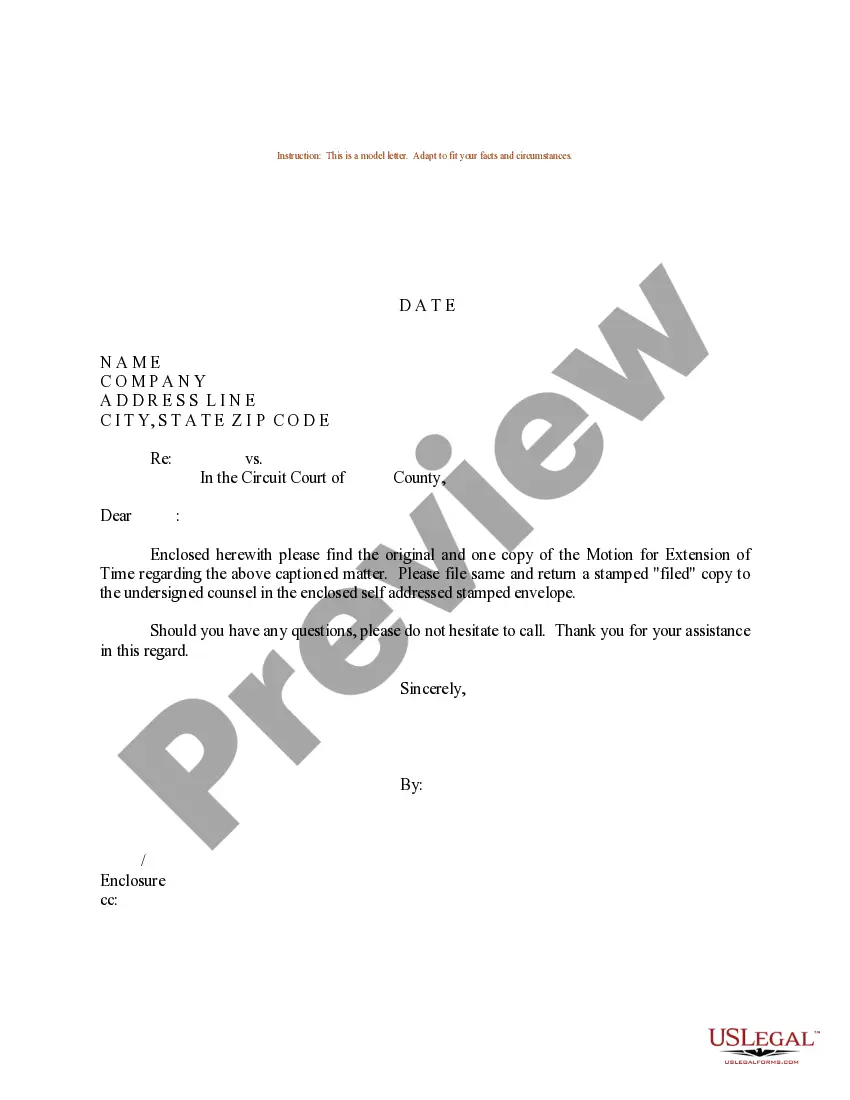
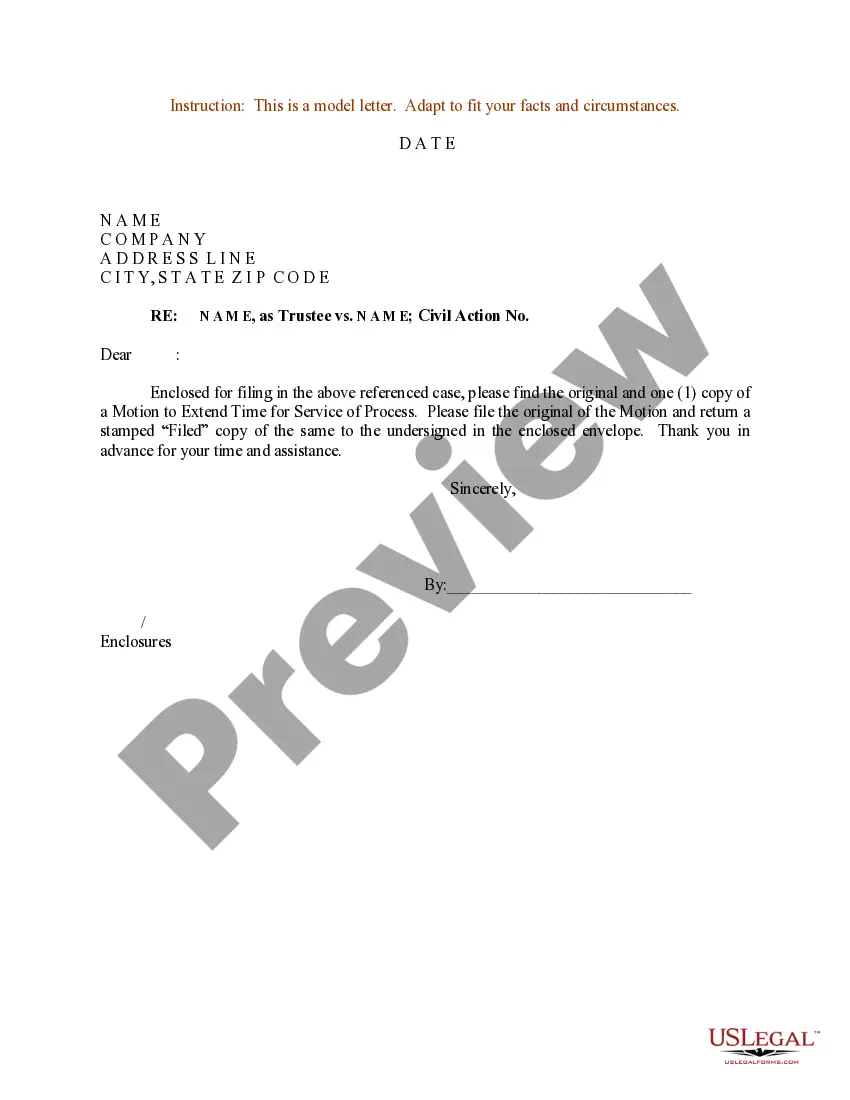
Get your form ready online
Our built-in tools help you complete, sign, share, and store your documents in one place.
Make edits, fill in missing information, and update formatting in US Legal Forms—just like you would in MS Word.
Download a copy, print it, send it by email, or mail it via USPS—whatever works best for your next step.
Sign and collect signatures with our SignNow integration. Send to multiple recipients, set reminders, and more. Go Premium to unlock E-Sign.
If this form requires notarization, complete it online through a secure video call—no need to meet a notary in person or wait for an appointment.
We protect your documents and personal data by following strict security and privacy standards.

Make edits, fill in missing information, and update formatting in US Legal Forms—just like you would in MS Word.

Download a copy, print it, send it by email, or mail it via USPS—whatever works best for your next step.

Sign and collect signatures with our SignNow integration. Send to multiple recipients, set reminders, and more. Go Premium to unlock E-Sign.

If this form requires notarization, complete it online through a secure video call—no need to meet a notary in person or wait for an appointment.

We protect your documents and personal data by following strict security and privacy standards.
Looking for another form?
Form popularity
FAQ
Statements in a pleading shall be sufficiently particular to give the court and parties notice of the transactions, occurrences, or series of transactions or occurrences, intended to be proved and the material elements of each cause of action or defense.
In law as practiced in countries that follow the English models, a pleading is a formal written statement of one party's claims or defenses in response to another party's complaint(s) in a civil action. The parties' pleadings in a case define the issues to be adjudicated in the action.
Comply With the Relevant Federal, State, and Local Rules. Research Before Writing. Allege Subject Matter Jurisdiction, Personal Jurisdiction, and Venue. Draft Concise and Plain Statement of the Facts. Draft Separate Counts for Each Legal Claim. Plead Facts With Particularity Where Necessary.
In alleging fraud or mistake, a party must state with particularity the circumstances constituting fraud or mistake. Malice, intent, knowledge, and other conditions of a person's mind may be alleged without setting forth the facts or circumstances from which the condition may be inferred.
Finally, a plaintiff alleging defamation per quod must plead special damages. Special damages must be “fully and accurately identified 'with sufficient particularity to identify actual losses.
A motion may be withdrawn at any time prior to its return date by filing with the clerk a written request signed by counsel for the moving party. A request to withdraw a motion after submission must be supported by a stipulation of withdrawal signed by all counsel.
This requirement serves two purposes. First, it gives the defendant notice of the definite charges to be met. Second, the allegations "should be sufficiently specific that the court can weed out nonmeritorious actions on the basis of the pleadings.
The quality or state of being particular. detailed, minute, or circumstantial character, as of description or statement. attention to details; special care. fastidiousness. an individual or characteristic feature or trait; peculiarity.

