Pleading With You In Massachusetts
Description
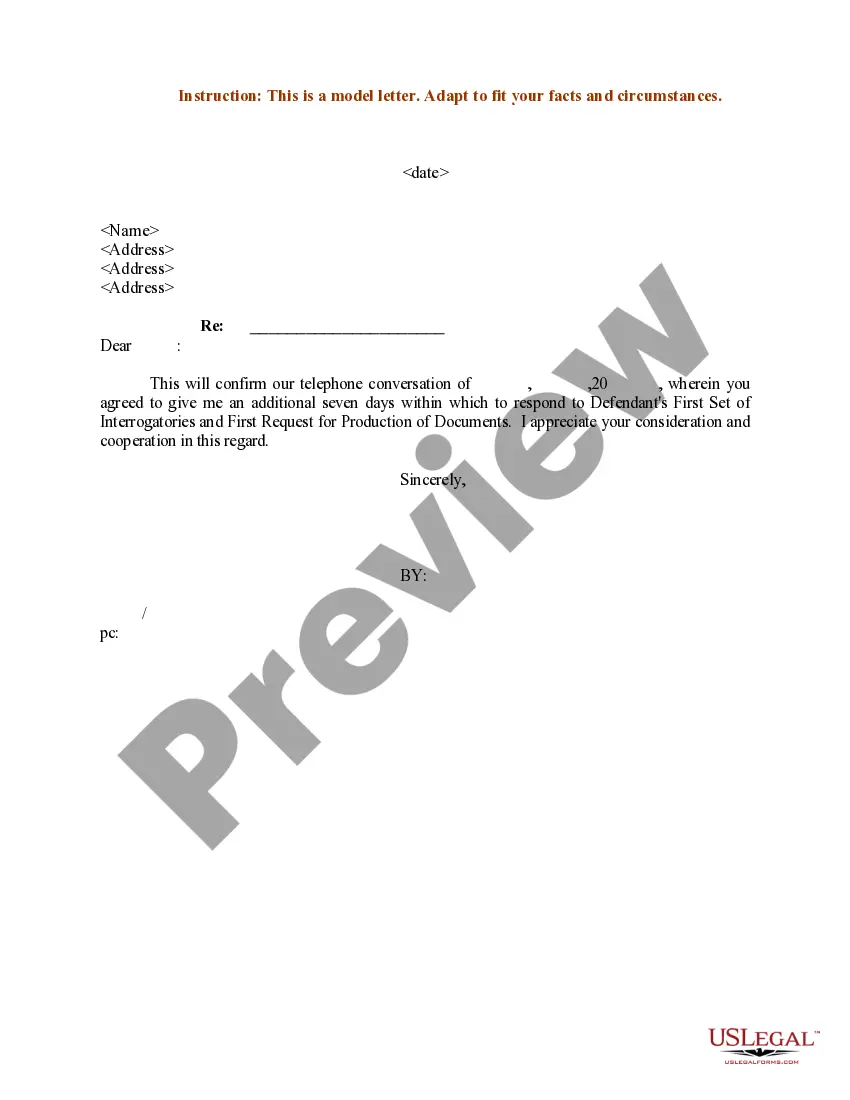
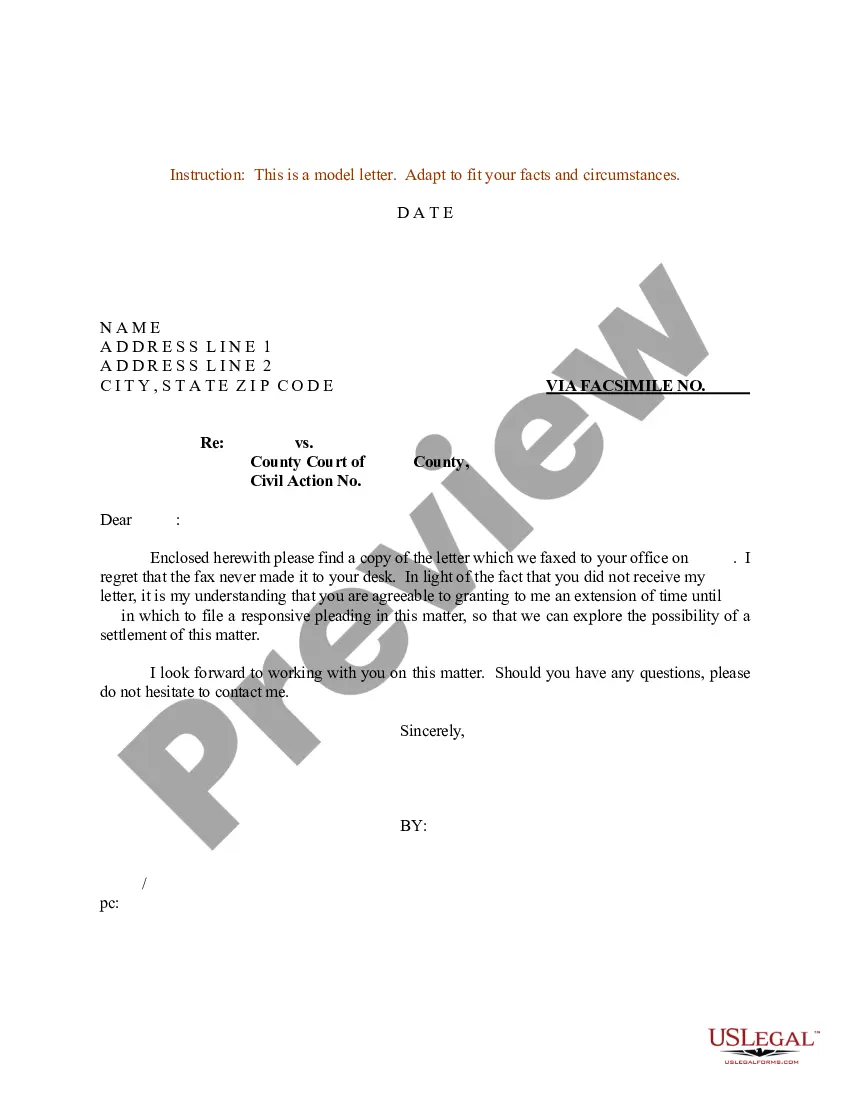

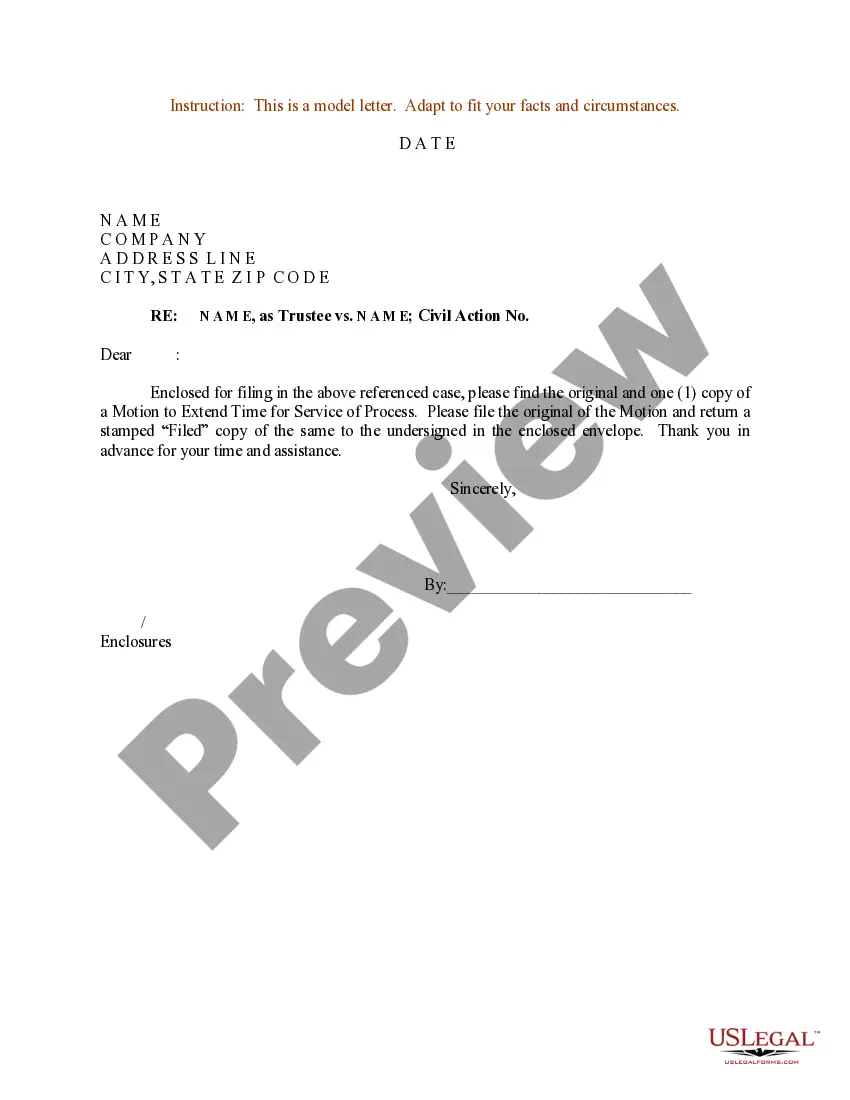
Get your form ready online
Our built-in tools help you complete, sign, share, and store your documents in one place.
Make edits, fill in missing information, and update formatting in US Legal Forms—just like you would in MS Word.
Download a copy, print it, send it by email, or mail it via USPS—whatever works best for your next step.
Sign and collect signatures with our SignNow integration. Send to multiple recipients, set reminders, and more. Go Premium to unlock E-Sign.
If this form requires notarization, complete it online through a secure video call—no need to meet a notary in person or wait for an appointment.
We protect your documents and personal data by following strict security and privacy standards.

Make edits, fill in missing information, and update formatting in US Legal Forms—just like you would in MS Word.

Download a copy, print it, send it by email, or mail it via USPS—whatever works best for your next step.

Sign and collect signatures with our SignNow integration. Send to multiple recipients, set reminders, and more. Go Premium to unlock E-Sign.

If this form requires notarization, complete it online through a secure video call—no need to meet a notary in person or wait for an appointment.

We protect your documents and personal data by following strict security and privacy standards.
Looking for another form?









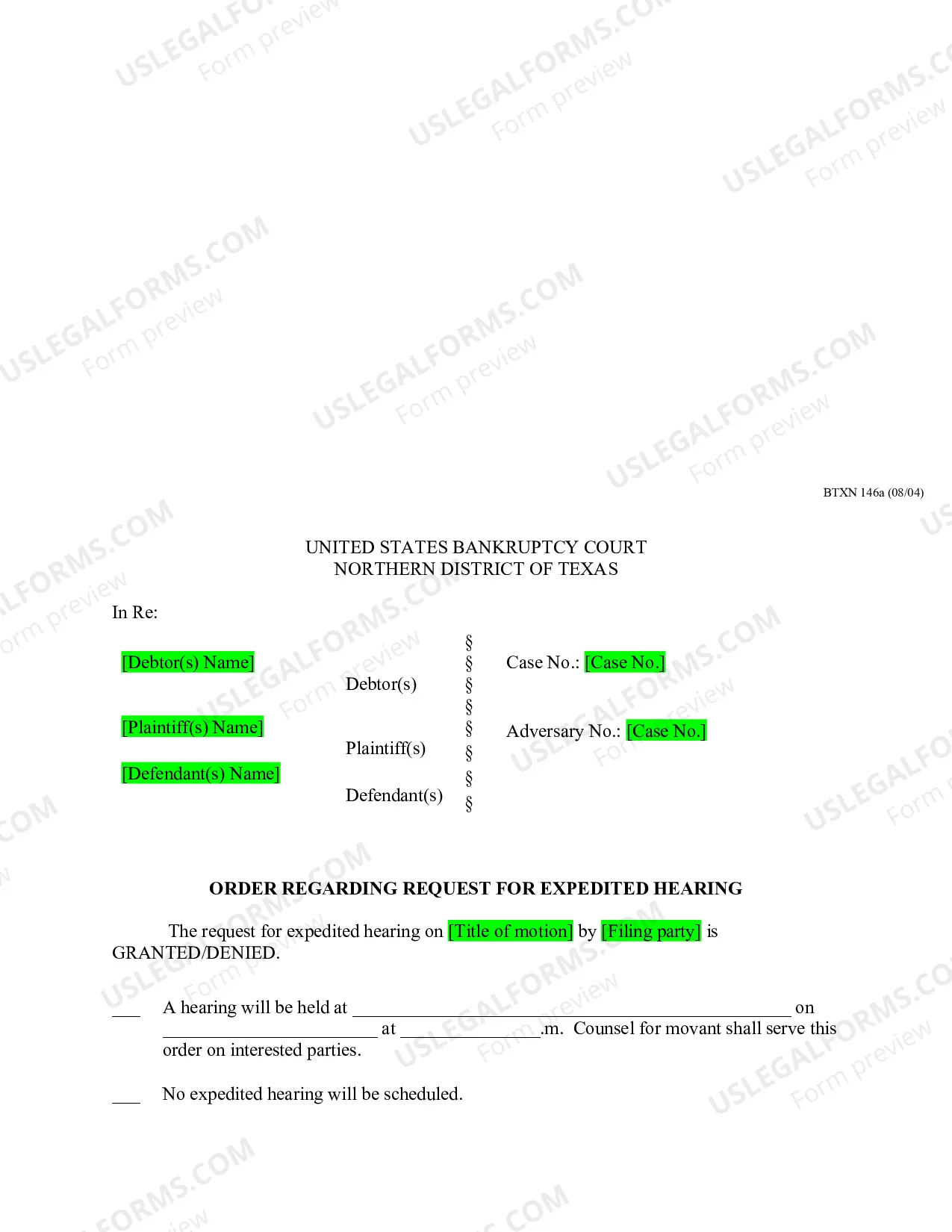
Form popularity
FAQ
EFileMA allows litigants to easily initiate court cases and eFile documents in participating courts anytime and from anywhere — 24 hours a day, seven days a week, 365 days a year.
Rule 30 of the Massachusetts Rules of Criminal Procedure, provides for Postconviction Relief, as it allows a defendant who has made an admission to sufficient facts, pleaded guilty, or been found guilty to file a motion for a new trial, vacating the conviction.
Things You Should Know Write your legal argument by stating the rule and explaining how your facts apply to it. Then, add your signature, a Certificate of Service, and a Notice of Hearing. File your motion with the clerk of court overseeing your case. Then, give copies to each defendant.
Every pleading must have a caption with the court's name, a title, a file number, and a Rule 7(a) designation. The title of the complaint must name all the parties; the title of other pleadings, after naming the first party on each side, may refer generally to other parties.
Comply With the Relevant Federal, State, and Local Rules. Research Before Writing. Allege Subject Matter Jurisdiction, Personal Jurisdiction, and Venue. Jurisdiction. Draft Concise and Plain Statement of the Facts. Factual Allegations. Draft Separate Counts for Each Legal Claim. Plead Facts With Particularity Where Necessary.
To sue someone in Massachusetts, you have to file a complaint with the clerk of the court. A complaint is not a specific form. It is a document that contains a short statement of the facts showing your claim and why you are entitled to relief and a demand for judgment granting that relief.
Rule 56 - Summary Judgment (a)Motions for Summary Judgment. A party may move for summary judgment subsequent to the commencement of any proceeding under these rules except in actions for divorce or in actions for custody or visitation or for criminal contempt.
To request a continuance regarding your DALA case, you (the party seeking the continuance or "the moving party") should submit a written request (a "motion") at least seven (7) days before the event. You can send your request by mail, fax, or e-mail.
(c) Pleadings must contain facts which, if true, are sufficient to constitute a violation of the Act or a Commission regulation or order, or a defense to an alleged violation. (d) Averred facts, claims, or defenses shall be made in numbered paragraphs and must be supported by relevant evidence.
Rule 9. Release in a Criminal Case. (a) Release Before Judgment of Conviction. (1) The district court must state in writing, or orally on the record, the reasons for an order regarding the release or detention of a defendant in a criminal case.

