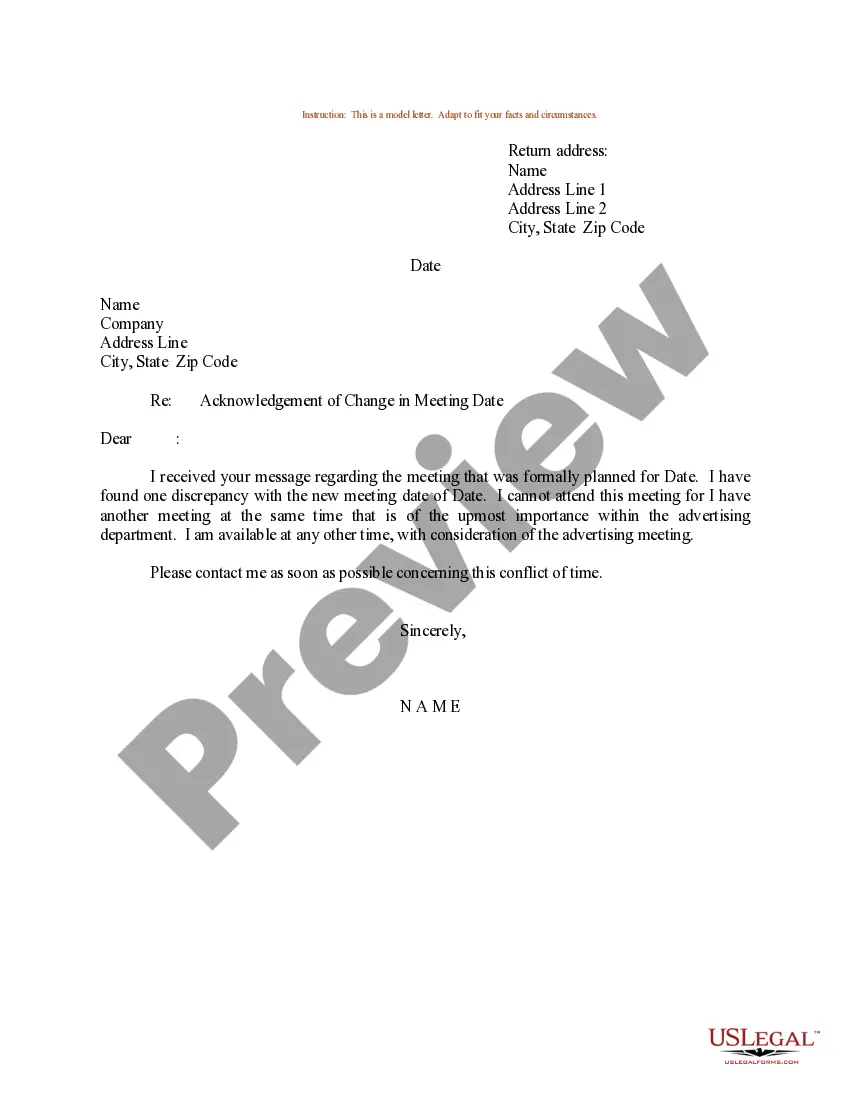
Pleading No Contest Vs Guilty In Maricopa
Description
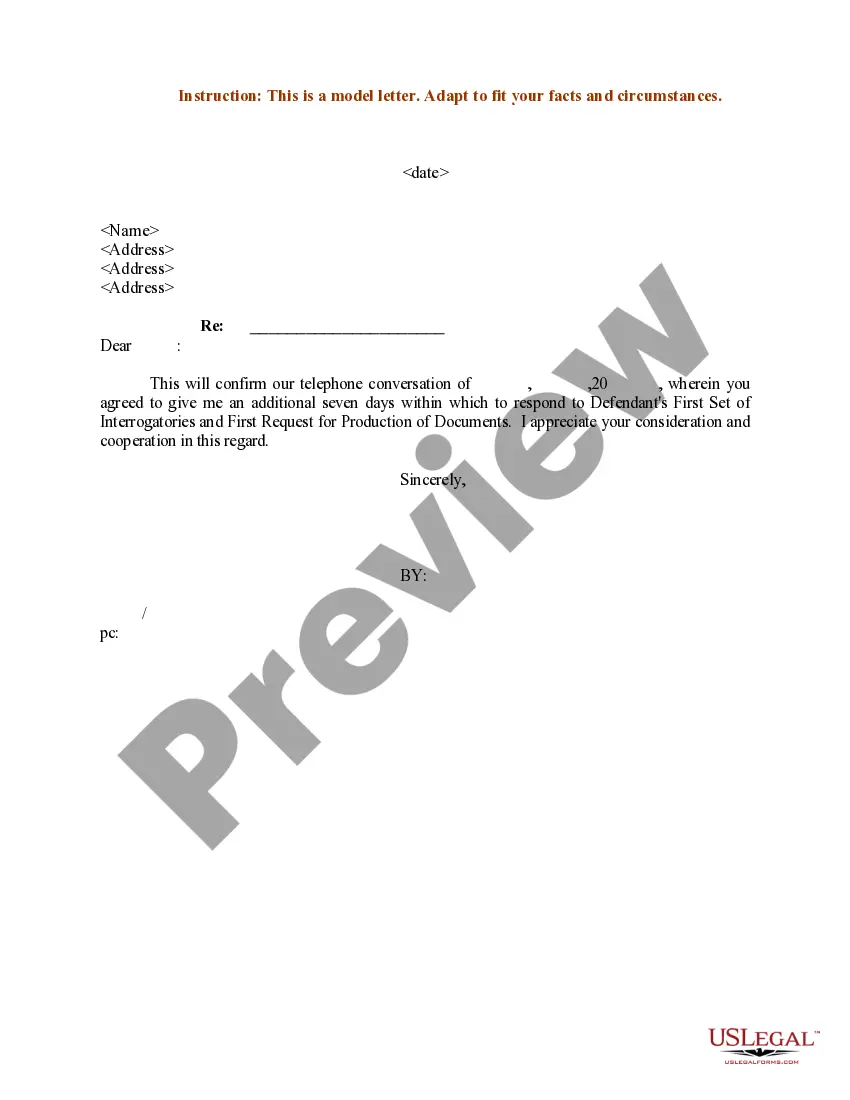
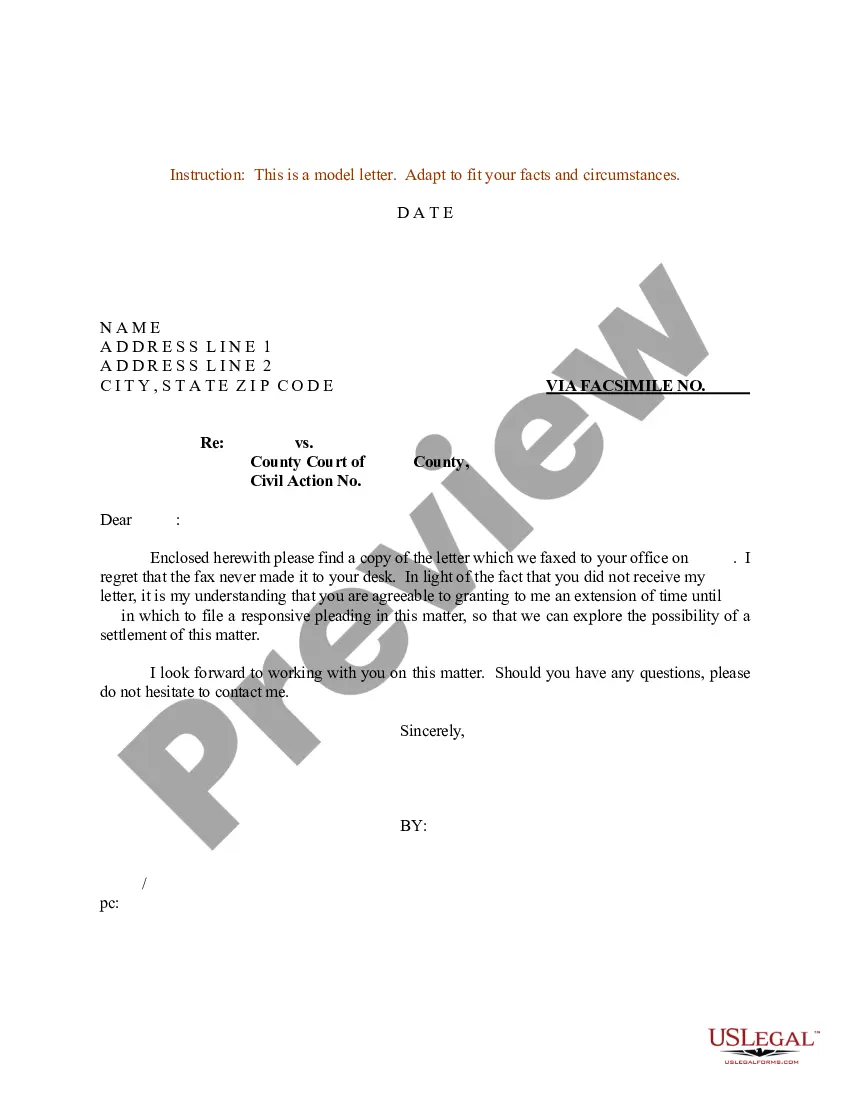
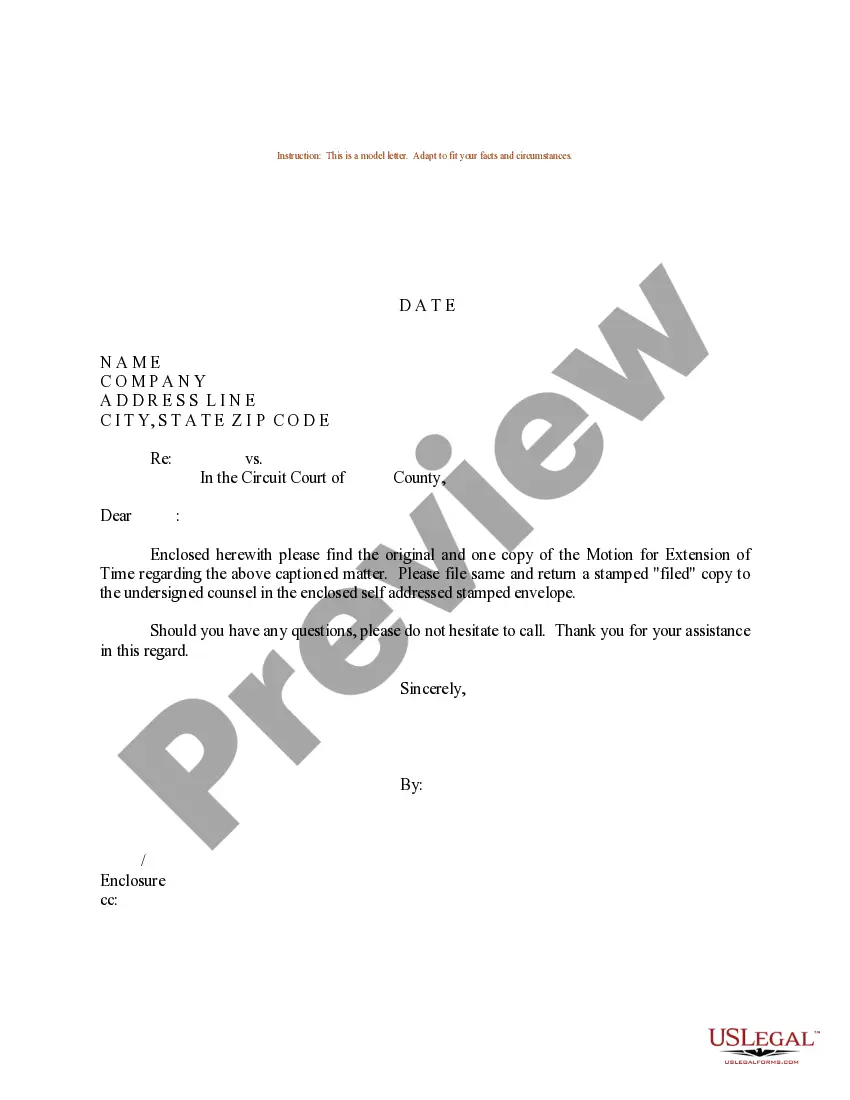
Get your form ready online
Our built-in tools help you complete, sign, share, and store your documents in one place.
Make edits, fill in missing information, and update formatting in US Legal Forms—just like you would in MS Word.
Download a copy, print it, send it by email, or mail it via USPS—whatever works best for your next step.
Sign and collect signatures with our SignNow integration. Send to multiple recipients, set reminders, and more. Go Premium to unlock E-Sign.
If this form requires notarization, complete it online through a secure video call—no need to meet a notary in person or wait for an appointment.
We protect your documents and personal data by following strict security and privacy standards.

Make edits, fill in missing information, and update formatting in US Legal Forms—just like you would in MS Word.

Download a copy, print it, send it by email, or mail it via USPS—whatever works best for your next step.

Sign and collect signatures with our SignNow integration. Send to multiple recipients, set reminders, and more. Go Premium to unlock E-Sign.

If this form requires notarization, complete it online through a secure video call—no need to meet a notary in person or wait for an appointment.

We protect your documents and personal data by following strict security and privacy standards.
Looking for another form?






Form popularity
FAQ
Pleading not guilty provides you with the opportunity to fully explore all possible defenses and legal strategies. This ensures that justice is served in the most equitable manner possible, taking into account all relevant factors and circumstances.
You admit to the allegation. No contest means that you do not admit to actually committing the allegation, you merely admit that the State can produce sufficient evidence for you to be found guilty. In general, no contest is the better way to go, but it probably wouldn't make much difference in your situation.
You may be able to enter into a favorable plea agreement with the prosecutor if you agree to plead guilty. They may drop the charges to a less serious offense or agree to reduce your sentence. This can be extremely beneficial, especially if you face a jail or prison sentence.
A plea of no contest may be accepted only after the court gives due consideration to the parties' views and to the interest of the public in the effective administration of justice.
The fear of a potentially harsher sentence if found guilty at trial can lead some people to plead guilty to crimes they didn't commit. Additionally, factors like pressure from law enforcement, lack of resources to mount a defense, or misunderstanding of legal rights can also contribute to false guilty pleas.
Pleading guilty means you admit that you committed the crime. Pleading no contest (“nolo contendere”) means accepting the conviction but avoiding a factual admission of guilt.
If it's clear that you are going to be found guilty anyway because the evidence is against you, pleading guilty early will get you a better deal when you are sentenced - eg, less time in prison, or a lesser fine.
contest plea will result in a permanent criminal record for both types of offenses unless you successfully petition for expungement or an order of nondisclosure (sealing).
A guilty plea is an affirmative admission of guilt. A no contest plea is not. Therefore if there are possible civil liability ramifications, such as responsibility for an auto accident, its better to plea no contest, if possible.
By maintaining a not guilty plea, you retain the leverage needed to negotiate a more favorable plea agreement. This could result in lesser charges, reduced sentences, or alternative sentencing options that might not be available if you initially plead guilty.