Pleading For Mercy In Illinois
Description
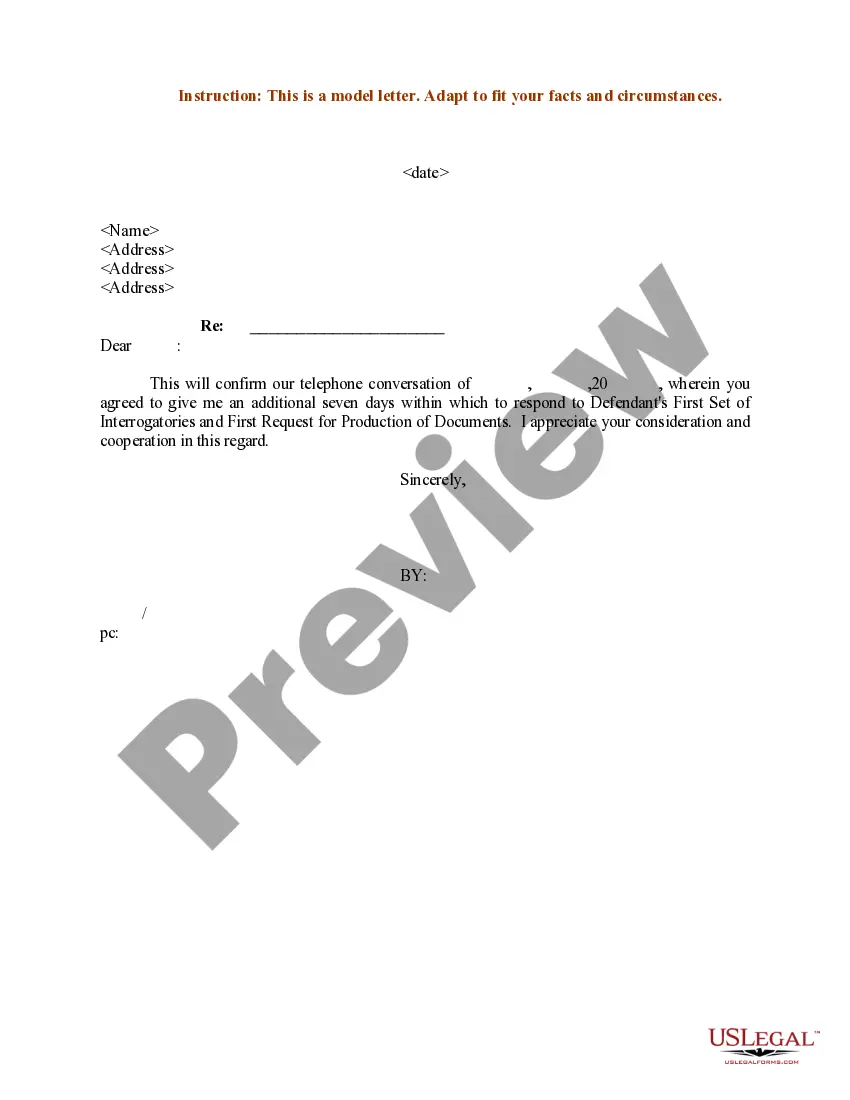
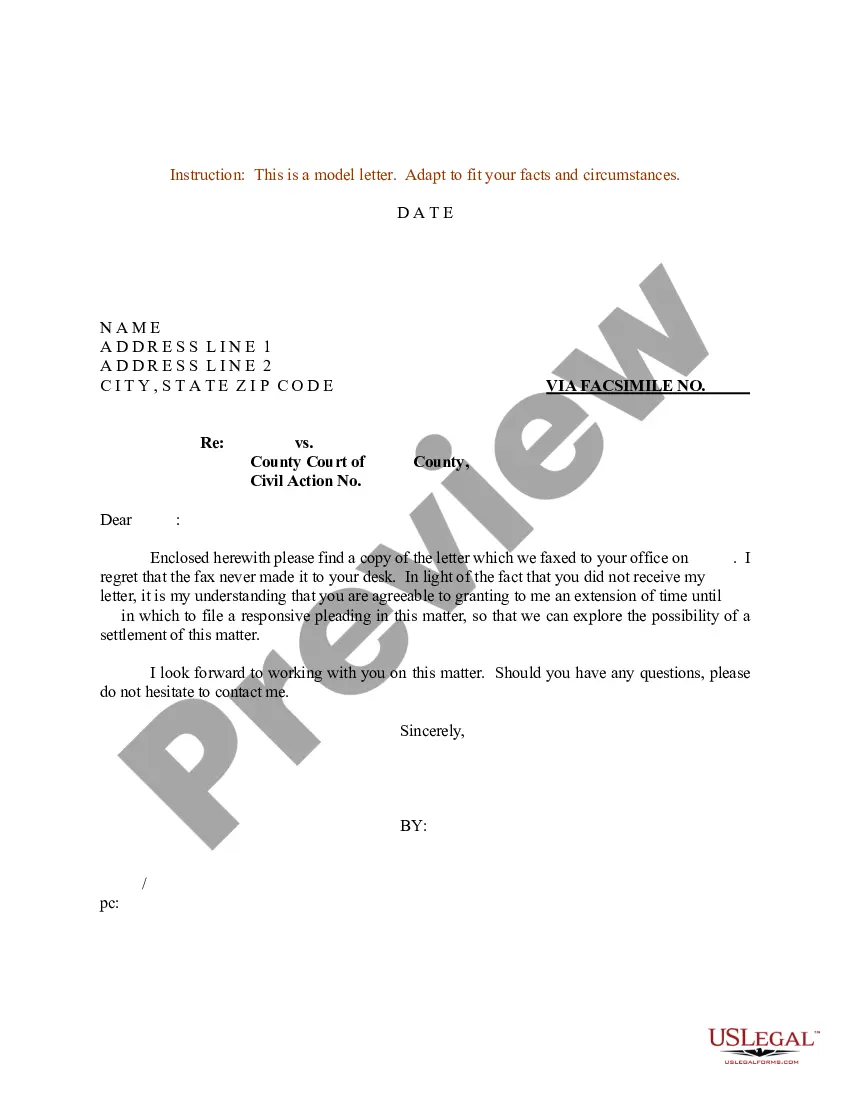


Get your form ready online
Our built-in tools help you complete, sign, share, and store your documents in one place.
Make edits, fill in missing information, and update formatting in US Legal Forms—just like you would in MS Word.
Download a copy, print it, send it by email, or mail it via USPS—whatever works best for your next step.
Sign and collect signatures with our SignNow integration. Send to multiple recipients, set reminders, and more. Go Premium to unlock E-Sign.
If this form requires notarization, complete it online through a secure video call—no need to meet a notary in person or wait for an appointment.
We protect your documents and personal data by following strict security and privacy standards.

Make edits, fill in missing information, and update formatting in US Legal Forms—just like you would in MS Word.

Download a copy, print it, send it by email, or mail it via USPS—whatever works best for your next step.

Sign and collect signatures with our SignNow integration. Send to multiple recipients, set reminders, and more. Go Premium to unlock E-Sign.

If this form requires notarization, complete it online through a secure video call—no need to meet a notary in person or wait for an appointment.

We protect your documents and personal data by following strict security and privacy standards.
Looking for another form?









Form popularity
FAQ
8 The Illinois Code of Civil Procedure (Code) requires pleadings to “contain a plain and concise statement of the pleader's cause of action, counterclaim, defense, or reply.”9 In other words, the pleading must contain a plain statement identifying what the pleader is alleging or denying.
Summary and Explanation Caption Requirement. Names of Parties. Paragraphs; Separate Statements. Adoption by Reference; Exhibits. Format Requirements.
(c) Pleadings must contain facts which, if true, are sufficient to constitute a violation of the Act or a Commission regulation or order, or a defense to an alleged violation. (d) Averred facts, claims, or defenses shall be made in numbered paragraphs and must be supported by relevant evidence.
In some circumstances, you file a petition or a motion. The court has several complaint forms that you may use in drafting your complaint. The forms are available online and at the Pro Se Intake Unit. You may also write your own complaint without using a court form.
At the request of a party the court shall order witnesses excluded so that they cannot hear the testimony of other witnesses, and it may make the order of its own motion.
There are several types of pleadings in civil litigation. These include complaints, which serve as the basis of the legal action, and answers, which are the responses to the complaints. There may also be counterclaims, crossclaims, and third-party claims, which are also types of pleadings.
The 5 most common tips in writing an effective leniency letter to a judge include: write a clear introduction, introduce yourself and establish credibility, provide reasons for leniency, tell a story, and. provide contact information.
If convicted of a crime, you might plead for the judge's mercy, meaning a lesser punishment. When people say "May God have mercy on me!" they're asking for forgiveness. Mercy may be given or received.
Contact Chambers Law Firm at 714-760-4088 for support from a criminal defense attorney. Start with a Clear Introduction. Introduce Yourself and Establish Credibility. Provide Reasons for Leniency. Tell a Story or Give Specific Examples. Provide Your Contact Information. Not the Same as a Motion to Modify a Sentence.

