Extension Time In Pcr In Hillsborough
Description
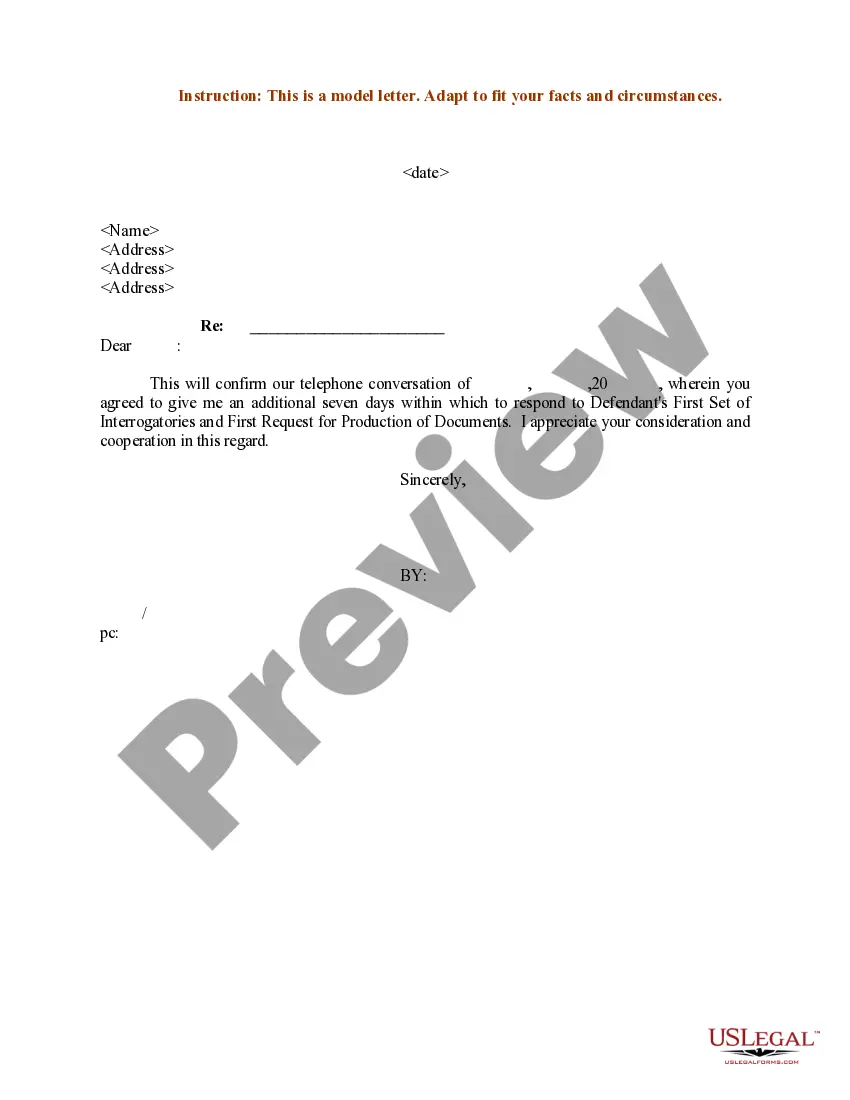
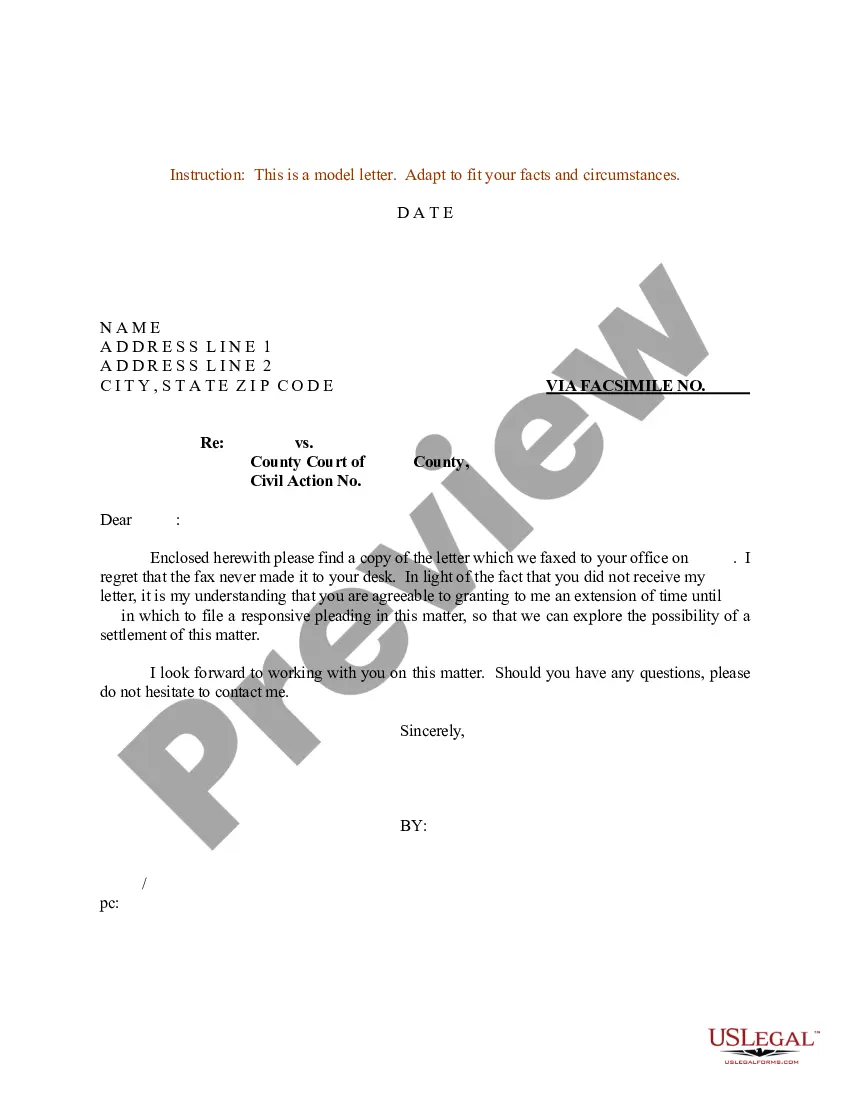


Get your form ready online
Our built-in tools help you complete, sign, share, and store your documents in one place.
Make edits, fill in missing information, and update formatting in US Legal Forms—just like you would in MS Word.
Download a copy, print it, send it by email, or mail it via USPS—whatever works best for your next step.
Sign and collect signatures with our SignNow integration. Send to multiple recipients, set reminders, and more. Go Premium to unlock E-Sign.
If this form requires notarization, complete it online through a secure video call—no need to meet a notary in person or wait for an appointment.
We protect your documents and personal data by following strict security and privacy standards.

Make edits, fill in missing information, and update formatting in US Legal Forms—just like you would in MS Word.

Download a copy, print it, send it by email, or mail it via USPS—whatever works best for your next step.

Sign and collect signatures with our SignNow integration. Send to multiple recipients, set reminders, and more. Go Premium to unlock E-Sign.

If this form requires notarization, complete it online through a secure video call—no need to meet a notary in person or wait for an appointment.

We protect your documents and personal data by following strict security and privacy standards.
Looking for another form?










Form popularity
FAQ
Amplification is achieved by a series of three steps: (1) denaturation, in which double-stranded DNA templates are heated to separate the strands; (2) annealing, in which short DNA molecules called primers bind to flanking regions of the target DNA; and (3) extension, in which DNA polymerase extends the 3′ end of each ...
Extension is achieved by using the loosened nucleotides of each base to grow the complementary DNA strand. The end result is two double-stranded products of DNA. The temperature that is used during the extension phase is dependent on the DNA polymerase that is used.
If the extension time is too short, there will be insufficient time for complete replication of the target. Generally, use an extension time of 1 min/kb. If the annealing time is too short, primers do not have enough time to bind to the template. Use an annealing time of at least 30 sec.
The inverse fusion PCR was run by using Phusion DNA-polymerase (0.02 units µl−1) under the following conditions: 98°C for 3 min, 25 cycles of 98°C – 20 s, 58°C – 30 s, 72°C – 30 s kb−1 and a final extension step at 72°C for 7 min.
Polymerase chain reaction (PCR) is a method widely used in molecular biology to make many copies of a specific DNA segment. Using PCR, a single copy (or more) of a DNA sequence is exponentially amplified to generate thousands to millions of more copies of that particular DNA segment.
A typical PCR cycle includes an extension step at 72°C after denaturation of double-stranded DNA and annealing of oligonucleotide primers. At this temperature the thermostable poly-merase replicates the DNA at an optimal rate that depends on the buffer and nature of the DNA template ( 1 ).
A 1 min extension is typically sufficient to synthesize PCR fragments up to 2 kilobases (kb). To amplify larger fragments, the elongation step is extended at a rate of 1 min per kb. During the first extension, the template will not be length limiting and so templates will be synthesized that exceed the amplicon length.
Excessive extension time can allow nonspecific amplification. Generally, use an extension time of 1 min/kb. Excessive annealing time may increase spurious priming. Use an annealing time of 30 sec.
Primer length Longer primers are less efficient during the annealing step, resulting in a lower amount of PCR product.
If the annealing temperature is too low, non-specific products can be generated, leading to smeared bands on the gel. If the extension time is too long, secondary products can be formed, which can contribute to smearing.

