Time Extension For Construction Project In Fairfax
Description
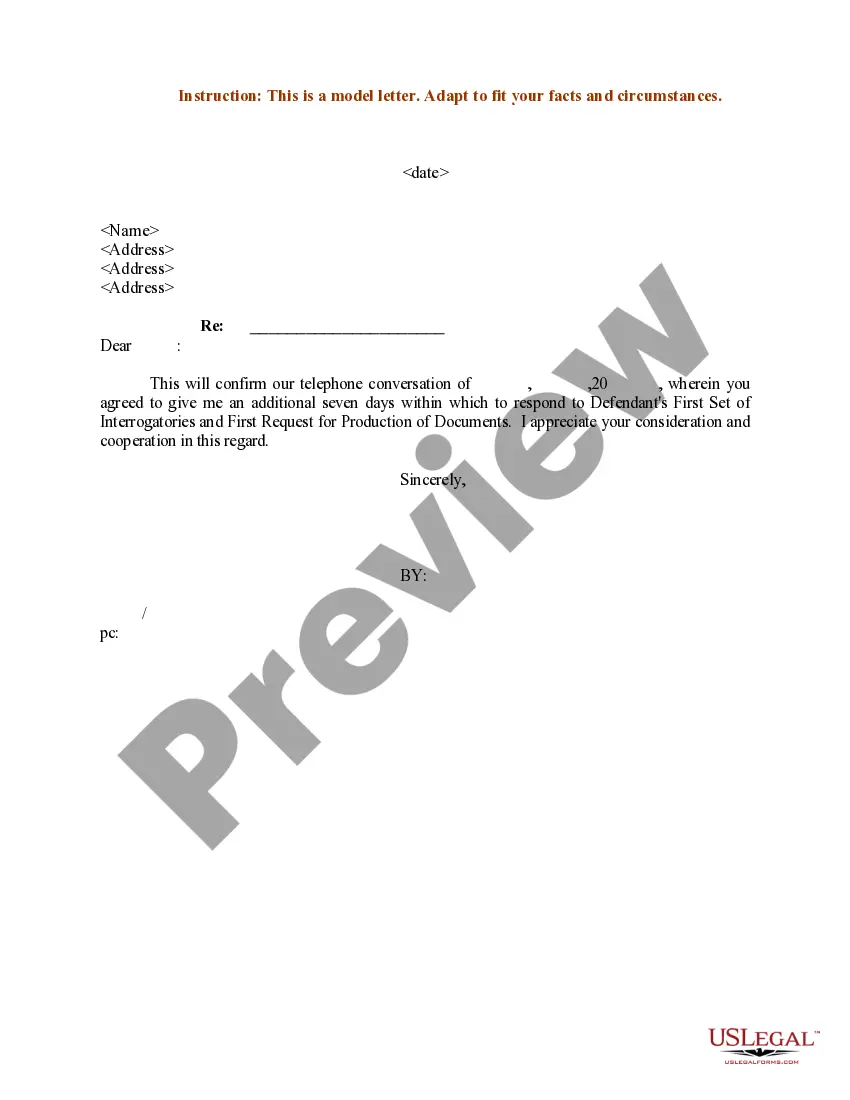
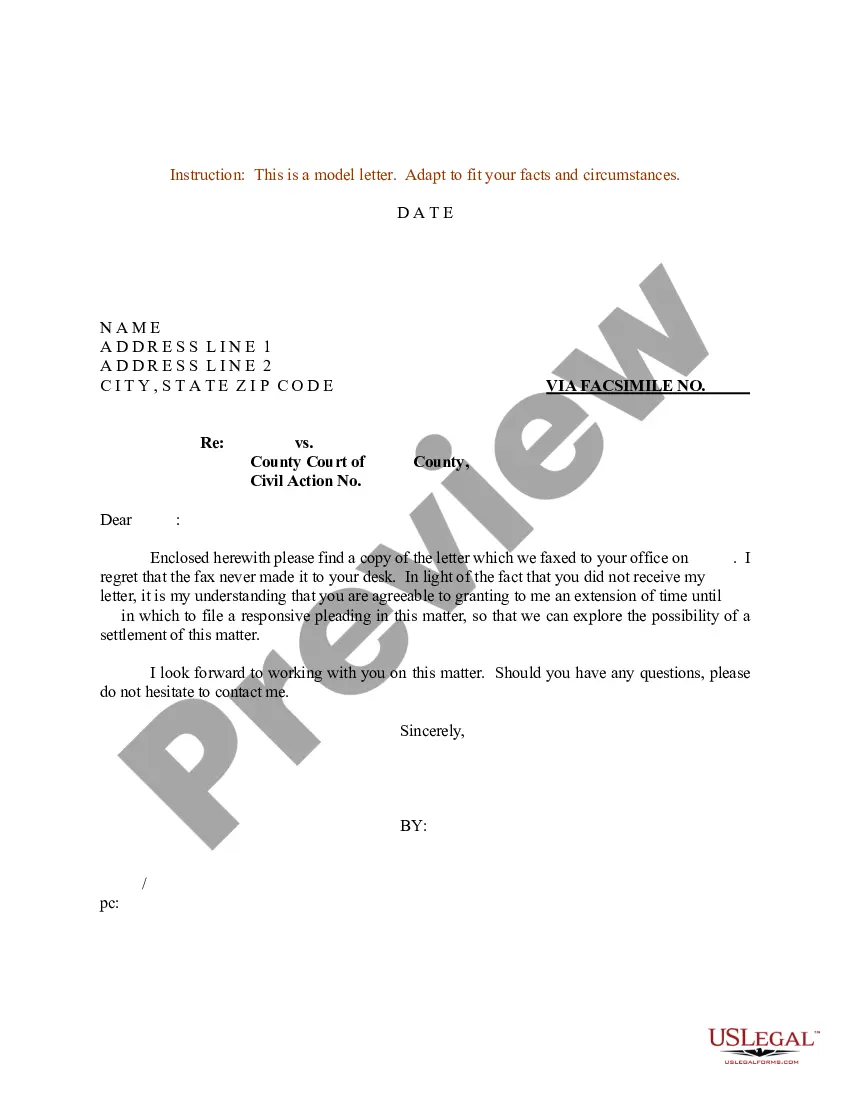


Get your form ready online
Our built-in tools help you complete, sign, share, and store your documents in one place.
Make edits, fill in missing information, and update formatting in US Legal Forms—just like you would in MS Word.
Download a copy, print it, send it by email, or mail it via USPS—whatever works best for your next step.
Sign and collect signatures with our SignNow integration. Send to multiple recipients, set reminders, and more. Go Premium to unlock E-Sign.
If this form requires notarization, complete it online through a secure video call—no need to meet a notary in person or wait for an appointment.
We protect your documents and personal data by following strict security and privacy standards.

Make edits, fill in missing information, and update formatting in US Legal Forms—just like you would in MS Word.

Download a copy, print it, send it by email, or mail it via USPS—whatever works best for your next step.

Sign and collect signatures with our SignNow integration. Send to multiple recipients, set reminders, and more. Go Premium to unlock E-Sign.

If this form requires notarization, complete it online through a secure video call—no need to meet a notary in person or wait for an appointment.

We protect your documents and personal data by following strict security and privacy standards.
Looking for another form?






Form popularity
FAQ
The application for a permit shall be submitted on a form supplied by the local building department. The application shall contain a general description and location of the proposed work and such other information as determined necessary by the building official.
On a single-family house, most routine work does not require a permit. You can: Paint, add or replace carpet, tile or hardwood floors, replace cabinets, and even replace paneling and drywall without a permit. Replace your windows and doors, as long as you don't change the size of the opening in the wall.
Permits are required for the construction of a new building, shed, deck, additions, or renovations to existing structures. Permits are required for small repairs, installation or replacement of heating and air condition units or systems, plumbing and electrical fixtures, demolition or moving of any structure.
Permits are typically required for the following projects: alterations to existing commercial structures; commercial structures; carport enclosures; decks; demolition; electrical systems; finished basements; garages and sheds; HVAC systems; mobile homes; plumbing systems; pools, spas and hot tubs; renovations; ...
Compliance with a notice of violation notwithstanding, the building official may request legal proceedings be instituted for prosecution when a person, firm or corporation is served with three or more notices of violation within one calendar year for failure to obtain a required construction permit prior to ...
A building permit for a home will typically take a few weeks for the County to process. Virginia Department of Transportation (VDOT) or Health Department approvals are also usually needed. Due to the growth in the region, Health Department permits can take 60 days or more.
An accessory structure is subordinate to a principal building on the same lot. Examples include detached garages, gazebos, playsets, and sheds.
Permits are typically required for the following projects: alterations to existing commercial structures; commercial structures; carport enclosures; decks; demolition; electrical systems; finished basements; garages and sheds; HVAC systems; mobile homes; plumbing systems; pools, spas and hot tubs; renovations; ...
Walls: Walls have the same height restrictions as fences. Walls no taller than 6 feet require zoning approval only, a building permit is required for walls taller than 6 feet. Patios: Patios do not have any size or setback requirements, but zoning approval is still required.

