Money Gift Letter For Mortgage In Wayne
Description



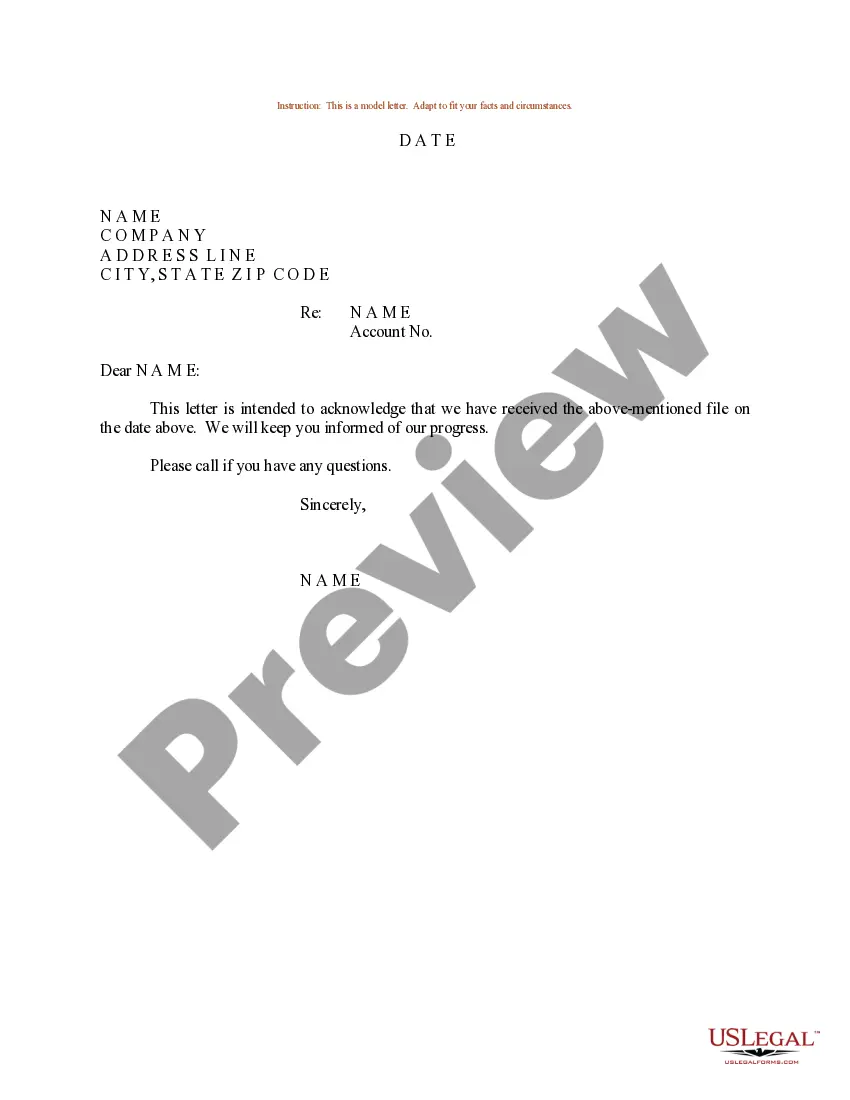
Get your form ready online
Our built-in tools help you complete, sign, share, and store your documents in one place.
Make edits, fill in missing information, and update formatting in US Legal Forms—just like you would in MS Word.
Download a copy, print it, send it by email, or mail it via USPS—whatever works best for your next step.
Sign and collect signatures with our SignNow integration. Send to multiple recipients, set reminders, and more. Go Premium to unlock E-Sign.
If this form requires notarization, complete it online through a secure video call—no need to meet a notary in person or wait for an appointment.
We protect your documents and personal data by following strict security and privacy standards.

Make edits, fill in missing information, and update formatting in US Legal Forms—just like you would in MS Word.

Download a copy, print it, send it by email, or mail it via USPS—whatever works best for your next step.

Sign and collect signatures with our SignNow integration. Send to multiple recipients, set reminders, and more. Go Premium to unlock E-Sign.

If this form requires notarization, complete it online through a secure video call—no need to meet a notary in person or wait for an appointment.

We protect your documents and personal data by following strict security and privacy standards.
Looking for another form?







Form popularity
FAQ
Click below to view the eight pieces of information in a gift letter and why lenders request each one: The exact dollar amount of the gift. The donor's signed statement that no repayment is expected. The property address associated with the down payment. Donor information. The date the funds were or will be transferred.
You'll typically need to provide the following: For funds transferred by check: The gift check and deposit slip showing closing funds deposited into your account. The withdrawal slip or bank statement showing the funds leaving the donor's account.
Documentation Requirements The gift letter must: specify the actual or the maximum dollar amount of the gift; include the donor's statement that no repayment is expected; and. indicate the donor's name, address, telephone number, and relationship to the borrower.
Yes. Most lenders prefer when your gifted deposit comes from a relative. This could be: Parents, step-parents, or parents-in-law.
Most mortgage providers will have a template that you can follow, but in general, your gift letter should include: The donor's name, address and phone number. The donor's relationship to the client. The dollar amount of the gift. The date when the funds were (or will be) transferred.
Unless your lender has stipulated otherwise, there is no upper limit to how much a gifted deposit can be.
Most gifted deposit letters will require the following: The name of the receiver of the gifted deposit. The source of your gifted deposit. The relationship between you and the donor/s. The value of the gifted deposit. That the donor expects no repayment. That the donor makes no claim to the property.
Gift funds must be from an acceptable source such as savings accounts, stocks or savings bonds. Gift funds must be verified entering into a borrower's bank account and leaving the donor's bank account.
Documentation Requirements Gifts must be evidenced by a letter signed by the donor, called a gift letter. When the gift is sourced by a trust established by an acceptable donor or an estate of an acceptable donor, the gift letter must be signed by the donor and list the name of the trust or the estate account.

