Sample Charitable Donation Letter For Taxes In Santa Clara
Description



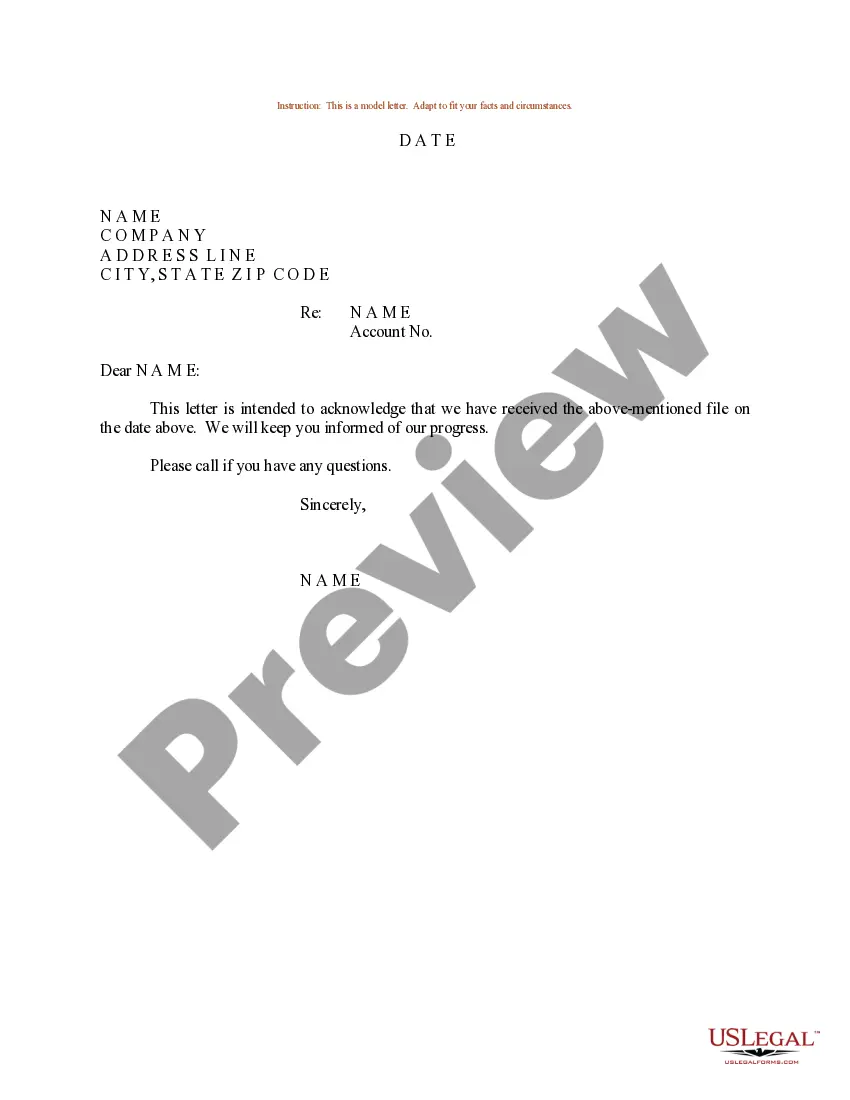
Get your form ready online
Our built-in tools help you complete, sign, share, and store your documents in one place.
Make edits, fill in missing information, and update formatting in US Legal Forms—just like you would in MS Word.
Download a copy, print it, send it by email, or mail it via USPS—whatever works best for your next step.
Sign and collect signatures with our SignNow integration. Send to multiple recipients, set reminders, and more. Go Premium to unlock E-Sign.
If this form requires notarization, complete it online through a secure video call—no need to meet a notary in person or wait for an appointment.
We protect your documents and personal data by following strict security and privacy standards.

Make edits, fill in missing information, and update formatting in US Legal Forms—just like you would in MS Word.

Download a copy, print it, send it by email, or mail it via USPS—whatever works best for your next step.

Sign and collect signatures with our SignNow integration. Send to multiple recipients, set reminders, and more. Go Premium to unlock E-Sign.

If this form requires notarization, complete it online through a secure video call—no need to meet a notary in person or wait for an appointment.

We protect your documents and personal data by following strict security and privacy standards.
Looking for another form?






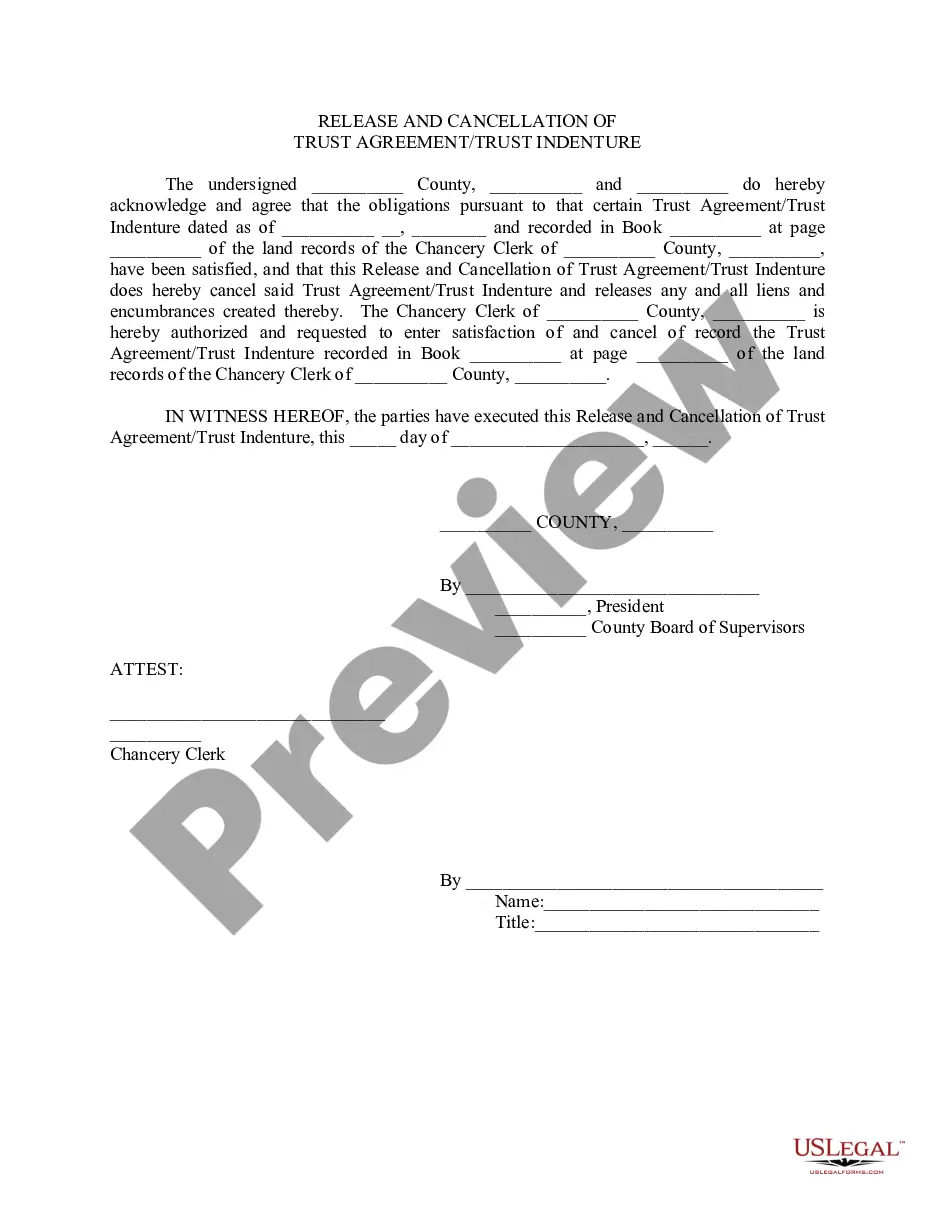
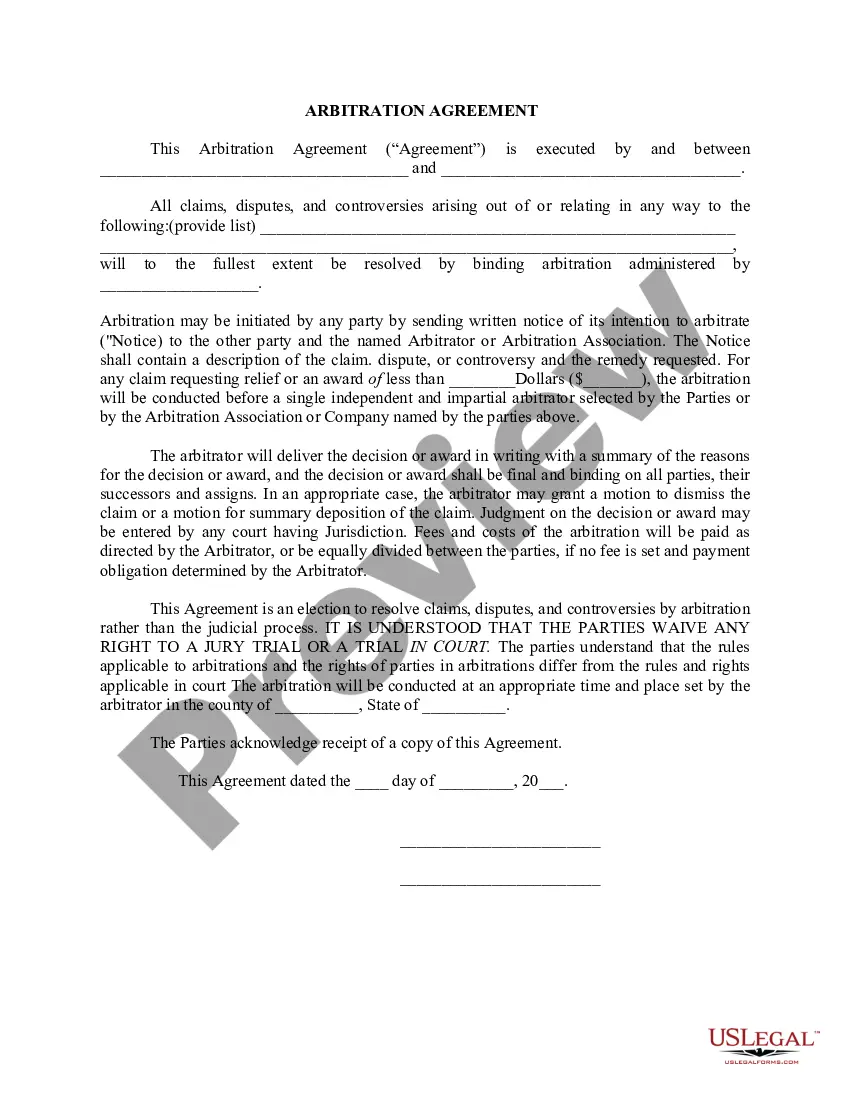

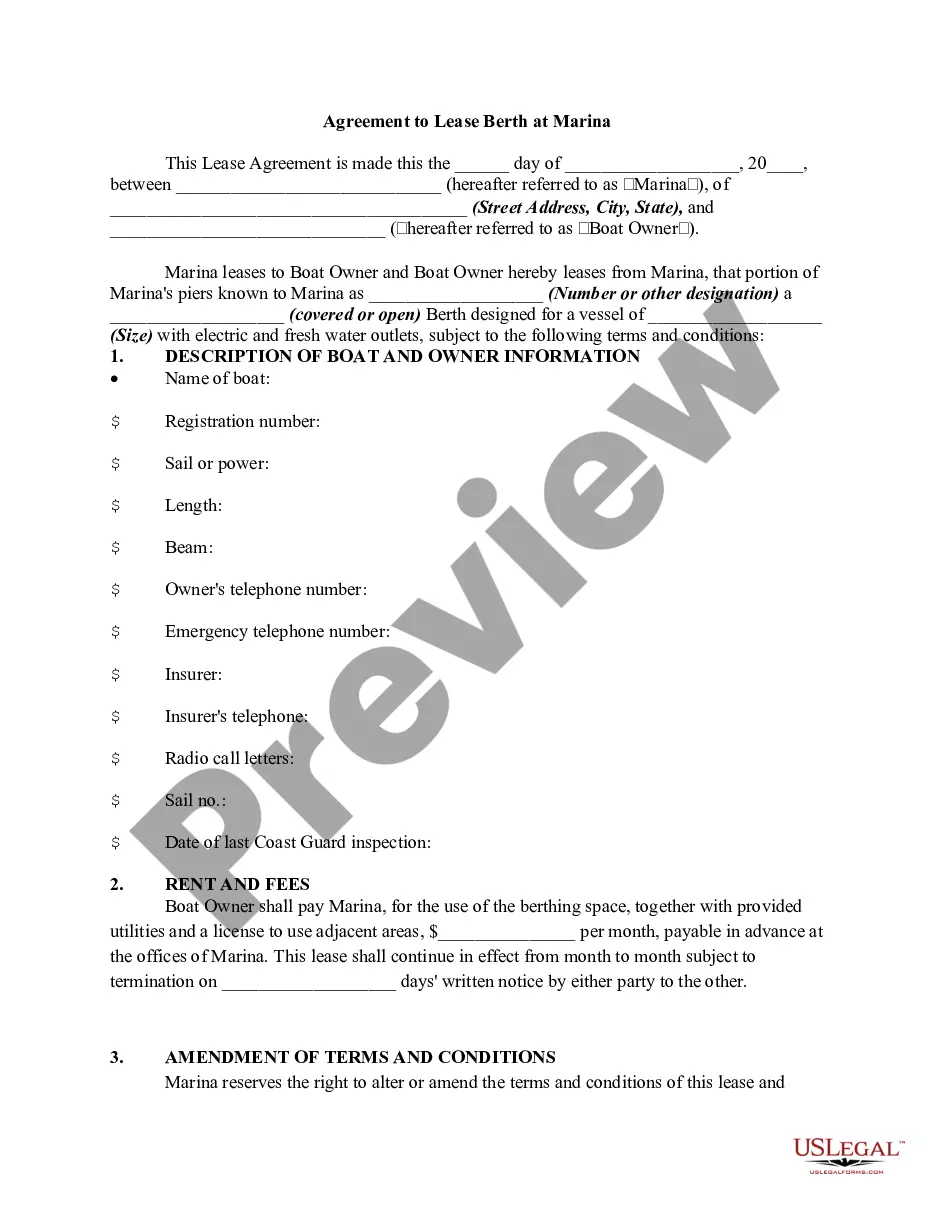
Form popularity
FAQ
Generally, you can only deduct charitable contributions if you itemize deductions on Schedule A (Form 1040), Itemized Deductions. Gifts to individuals are not deductible. Only qualified organizations are eligible to receive tax deductible contributions.
What to include in donor acknowledgment letters? Tax-exempt status statement: Statement that the organization is a 501c3 tax-exempt organization. Name of the organization (the charity) and name of the donor. Date of the contribution: The date the donation was received. Contribution Details.
Proof can be provided in the form of an official receipt or invoice from the receiving qualified charitable organization, but it can also be provided via credit card statements or other financial records detailing the donation.
Proof can be provided in the form of an official receipt or invoice from the receiving qualified charitable organization, but it can also be provided via credit card statements or other financial records detailing the donation.
Charitable contributions are entered on Schedule A (Form 1040) Itemized Deductions, Lines 11-12. To be deductible, a contribution must be made to a qualified organization. See the IRS Tax Exempt Organization Search tool for a searchable list of qualified organizations.
Ing to the IRS, donation tax receipts should include the following information: The name of the organization. A statement confirming that the organization is a registered 501(c)(3) organization, along with its federal tax identification number. The date the donation was made.
A letter stating the name of the household contributor, the amount they contribute every month, and where the contribution is deposited.
What key details should be included in a sponsorship invoice? Description of the sponsored event. A sponsorship invoice should include a detailed description of the event, including its name, location, address, and date. Details of the event organizer. Sponsor details. Sponsorship details. Payment terms.
A donation receipt format must include the donor's name, address and contact number, date, name of the organisation, amount, reason for payment, receipt number, and name of the receiver.
A donation receipt format must include the donor's name, address and contact number, date, name of the organisation, amount, reason for payment, receipt number, and name of the receiver.

