Donation Receipt In Cash Limit In Philadelphia
Description



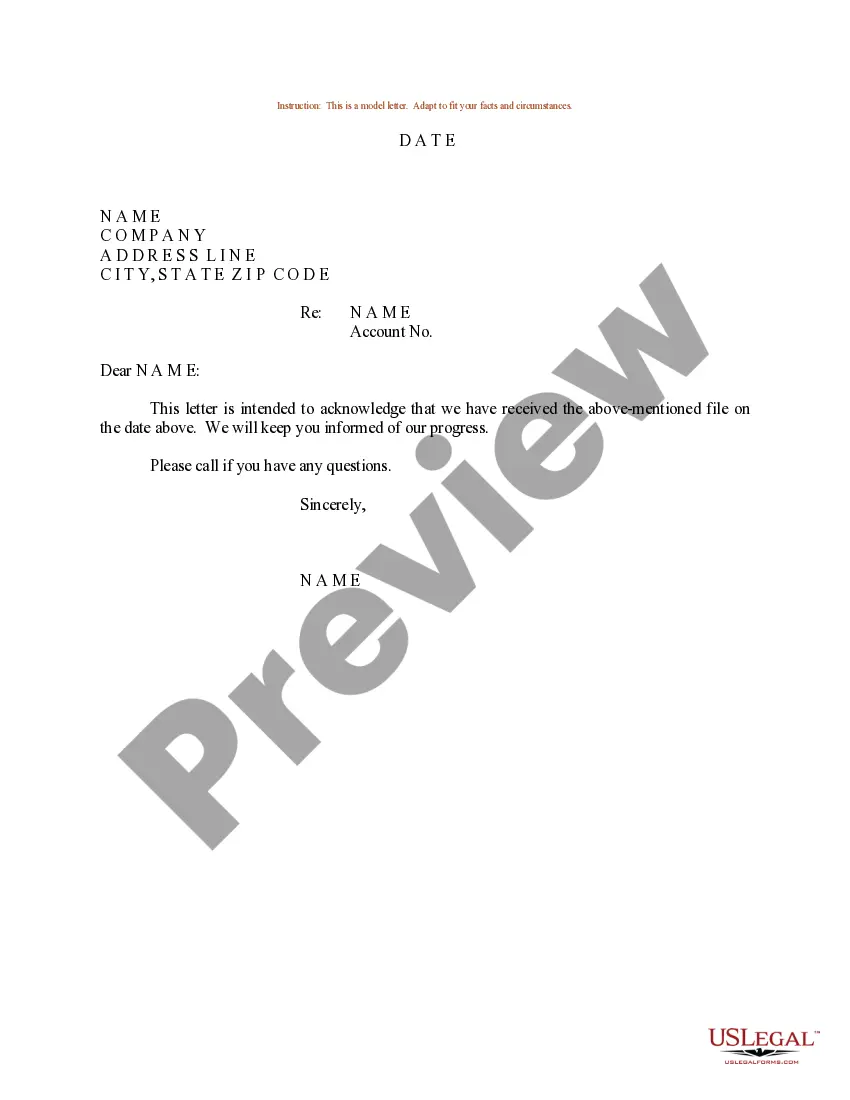
Get your form ready online
Our built-in tools help you complete, sign, share, and store your documents in one place.
Make edits, fill in missing information, and update formatting in US Legal Forms—just like you would in MS Word.
Download a copy, print it, send it by email, or mail it via USPS—whatever works best for your next step.
Sign and collect signatures with our SignNow integration. Send to multiple recipients, set reminders, and more. Go Premium to unlock E-Sign.
If this form requires notarization, complete it online through a secure video call—no need to meet a notary in person or wait for an appointment.
We protect your documents and personal data by following strict security and privacy standards.

Make edits, fill in missing information, and update formatting in US Legal Forms—just like you would in MS Word.

Download a copy, print it, send it by email, or mail it via USPS—whatever works best for your next step.

Sign and collect signatures with our SignNow integration. Send to multiple recipients, set reminders, and more. Go Premium to unlock E-Sign.

If this form requires notarization, complete it online through a secure video call—no need to meet a notary in person or wait for an appointment.

We protect your documents and personal data by following strict security and privacy standards.
Looking for another form?









Form popularity
FAQ
However, no matter the form, every receipt must include six items to meet the standards set forth by the IRS. Name of the Charity and Name of the Donor. Date of the Contribution. Detailed Description of the Property Donated. Amount of the Contribution.
If a donation exceeds $250, the donor must obtain written acknowledgment of the donation before claiming a charitable contribution on their federal income tax return. Plus, a donation receipt is a chance to show donors that your organization is responsible, transparent, and grateful for all support.
Your deduction for charitable contributions generally can't be more than 60% of your AGI, but in some cases 20%, 30%, or 50% limits may apply.
For Individuals: Redirect your PA state tax to an approved private school or charity and enjoy a 90% state income tax credit. The remaining 10% qualifies as a federal charitable deduction, maximizing impact with ease.
Ing to the ATO, there's no limit to the donations you can claim in a financial year. However, you can't claim a deduction if you received a personal benefit or something in return, except for items that have immaterial value relative to the size of the donation.
What To Include in Donor Acknowledgement Letters Donor's name. Address the donor by name. Organization's name. Clearly state your nonprofit's name to make the letter official and avoid confusion. Donation amount and date. Type of donation. Tax information. Mission impact. Closing with gratitude. Clear Subject Line.
There are two 30% limits for donations: Capital gains property donations (like appreciated stock) to qualifying organizations. Other noncash donations to organizations not on the qualifying list or donations made "for the use of" a qualifying organization.
Noncash donations to public charities, such as clothing, furniture, household items, jewelry, art, etc., are limited to 50% of your AGI per category. The IRS has very specific substantiation rules for noncash donations. We explain some of the requirements later under “Substantiation requirements.”

