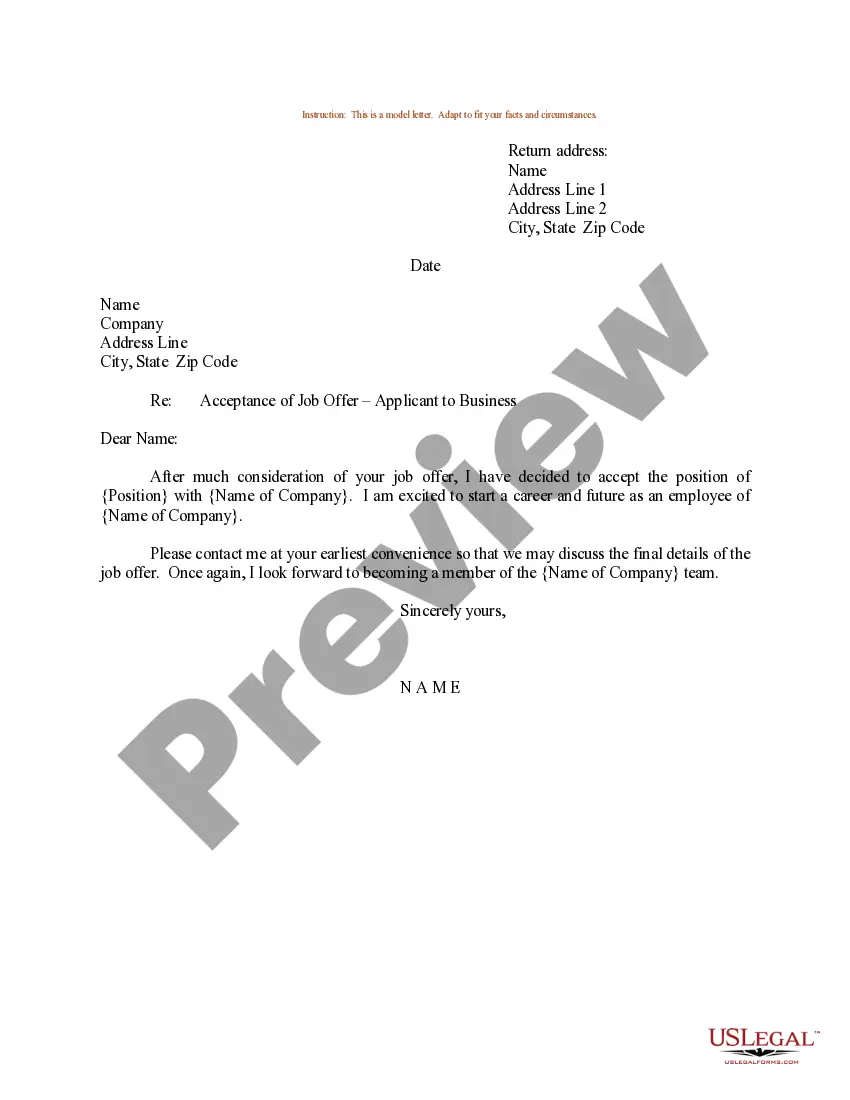
Letter Donation Form With Check Enclosed In Middlesex
Description



Get your form ready online
Our built-in tools help you complete, sign, share, and store your documents in one place.
Make edits, fill in missing information, and update formatting in US Legal Forms—just like you would in MS Word.
Download a copy, print it, send it by email, or mail it via USPS—whatever works best for your next step.
Sign and collect signatures with our SignNow integration. Send to multiple recipients, set reminders, and more. Go Premium to unlock E-Sign.
If this form requires notarization, complete it online through a secure video call—no need to meet a notary in person or wait for an appointment.
We protect your documents and personal data by following strict security and privacy standards.

Make edits, fill in missing information, and update formatting in US Legal Forms—just like you would in MS Word.

Download a copy, print it, send it by email, or mail it via USPS—whatever works best for your next step.

Sign and collect signatures with our SignNow integration. Send to multiple recipients, set reminders, and more. Go Premium to unlock E-Sign.

If this form requires notarization, complete it online through a secure video call—no need to meet a notary in person or wait for an appointment.

We protect your documents and personal data by following strict security and privacy standards.
Looking for another form?






Form popularity
FAQ
Dear Donor's name, My name is Name, and I'm the position at Nonprofit. At Nonprofit, our mission is to help mission by steps nonprofit has taken. Give a specific example of your impact.
Donation letters, also known as appeals, are a tool nonprofits use to entice prospective supporters to donate. Most of the time, they include a written ask for donations like financial support or an in-kind gift.
To begin with your “easy” wins, focus on people who are already familiar with and dedicated to your cause. These individuals will be the perfect starting point! 2. Research your donors first.
Here's what every letter should cover: Donor's name. Address the donor by name. Organization's name. Clearly state your nonprofit's name to make the letter official and avoid confusion. Donation amount and date. Be specific about the gift. Type of donation. Tax information. Mission impact. Closing with gratitude.
Technically, the IRS doesn't set a deadline for sending donation acknowledgments. But that doesn't mean you have as long as you want to send them out. Most organizations aim to send their donation acknowledgments letters by January 31 of the year following the donation.
Donation letters, also known as appeals, are a tool nonprofits use to entice prospective supporters to donate. Most of the time, they include a written ask for donations like financial support or an in-kind gift. Donation letters can ask for: Individual financial donations from people and families.