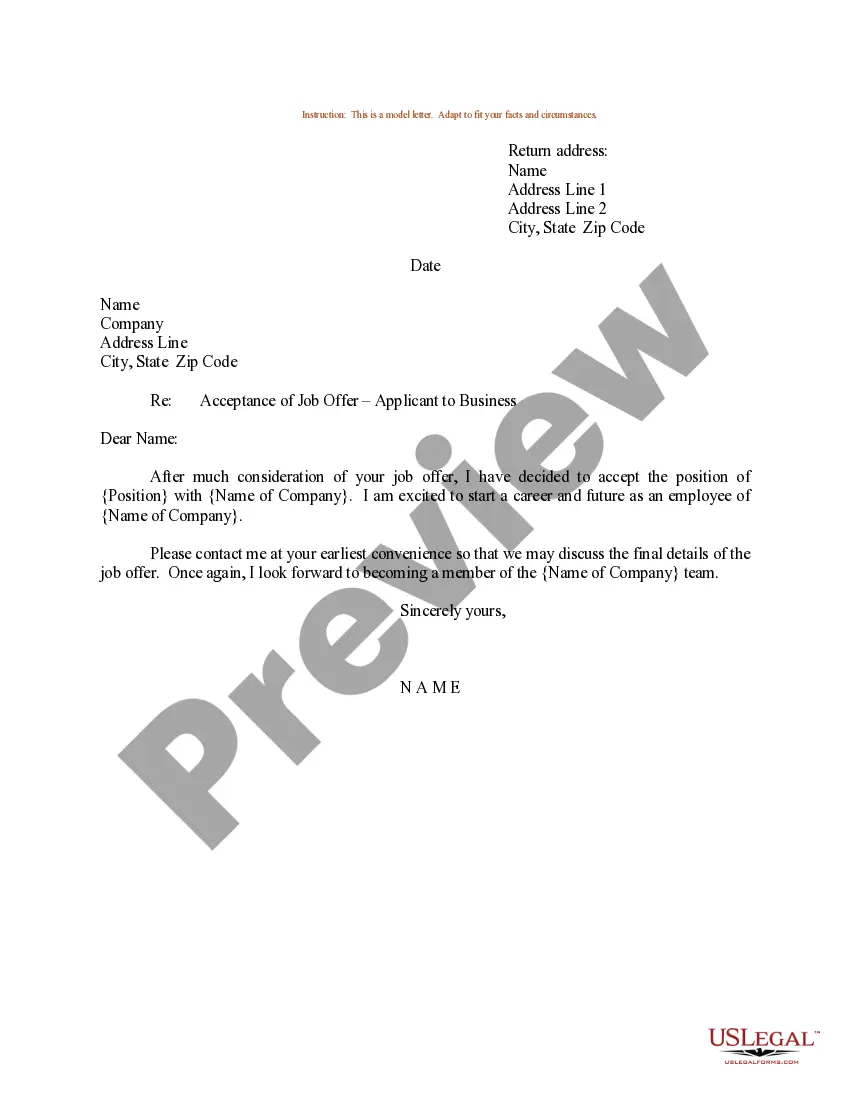
Letter Donation Form With Logo In Michigan
Description




Get your form ready online
Our built-in tools help you complete, sign, share, and store your documents in one place.
Make edits, fill in missing information, and update formatting in US Legal Forms—just like you would in MS Word.
Download a copy, print it, send it by email, or mail it via USPS—whatever works best for your next step.
Sign and collect signatures with our SignNow integration. Send to multiple recipients, set reminders, and more. Go Premium to unlock E-Sign.
If this form requires notarization, complete it online through a secure video call—no need to meet a notary in person or wait for an appointment.
We protect your documents and personal data by following strict security and privacy standards.

Make edits, fill in missing information, and update formatting in US Legal Forms—just like you would in MS Word.

Download a copy, print it, send it by email, or mail it via USPS—whatever works best for your next step.

Sign and collect signatures with our SignNow integration. Send to multiple recipients, set reminders, and more. Go Premium to unlock E-Sign.

If this form requires notarization, complete it online through a secure video call—no need to meet a notary in person or wait for an appointment.

We protect your documents and personal data by following strict security and privacy standards.
Looking for another form?
Form popularity
FAQ
Does the organization solicit or receives contributions in Michigan? The Charitable Organizations and Solicitations Act, MCL 400.271 et seq., requires an organization to register if it solicits or receives contributions in Michigan.
501(c)(3) is just one category of 501(c) organizations, but it is the primary nonprofit status through which donations made to the organization are tax-deductible. 501(c)(3) status is regulated and administered by the US Department of Treasury through the Internal Revenue Service.
You can obtain the letter by having an officer or trustee contact IRS Customer Account Services by phone, mail, or fax. If you submit the request in writing, be sure to include the organization's name, Employer Identification Number (EIN), and authorized signature of the officer or trustee.
How do you write a fundraising letter? Key steps Start with a personalized greeting. Explain your mission. Describe your current initiative. Outline your project's needs and what you hope to accomplish. Add meaningful photographs or infographics. Show the tangible impact associated with specific donation amounts.
If you file Form 1023, the average IRS processing time is 6 months. Processing times of 9 or 12 months are not unheard of.
Exempt purposes - Internal Revenue Code Section 501(c)(3) The exempt purposes set forth in section 501(c)(3) are charitable, religious, educational, scientific, literary, testing for public safety, fostering national or international amateur sports competition, and preventing cruelty to children or animals.
The United States Internal Revenue Service (IRS) issues a 501(c)(3) determination letter for approved nonprofit organizations operating within the country. This letter lends legitimacy to your unique and special mission and opens the door to grants, tax savings, and other unique benefits.
A donation acknowledgment letter is a type of donor letter that you send to donors to document their charitable gifts and donations. Sometimes your donation receipt functions as a donor acknowledgement. However, that's not always the case.
What is a Donation Receipt? A donation receipt is a written acknowledgment from a nonprofit organization for any monetary or non-monetary contributions made by a donor. This donation receipt will act as official proof of the contribution, and help donors claim a tax deduction.