Donation Letter For Charity In Maricopa
Description



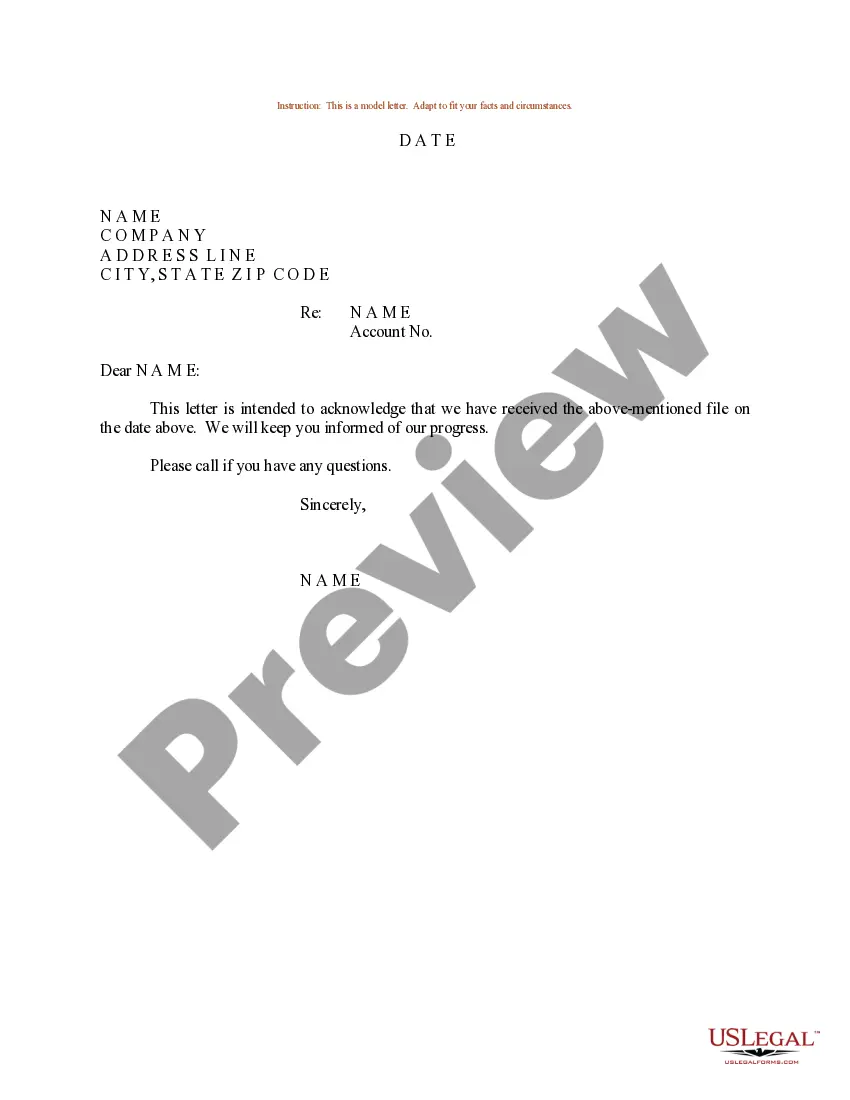
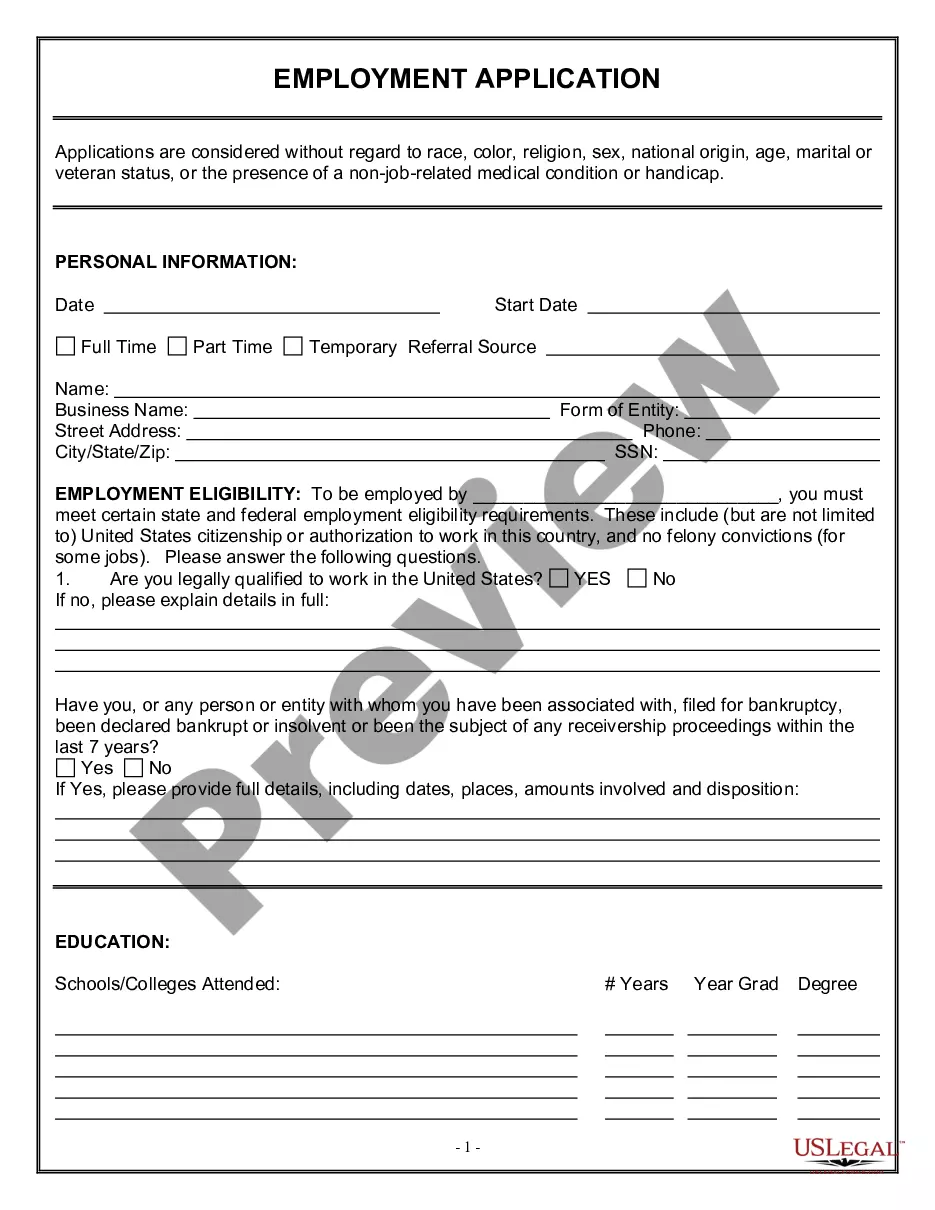
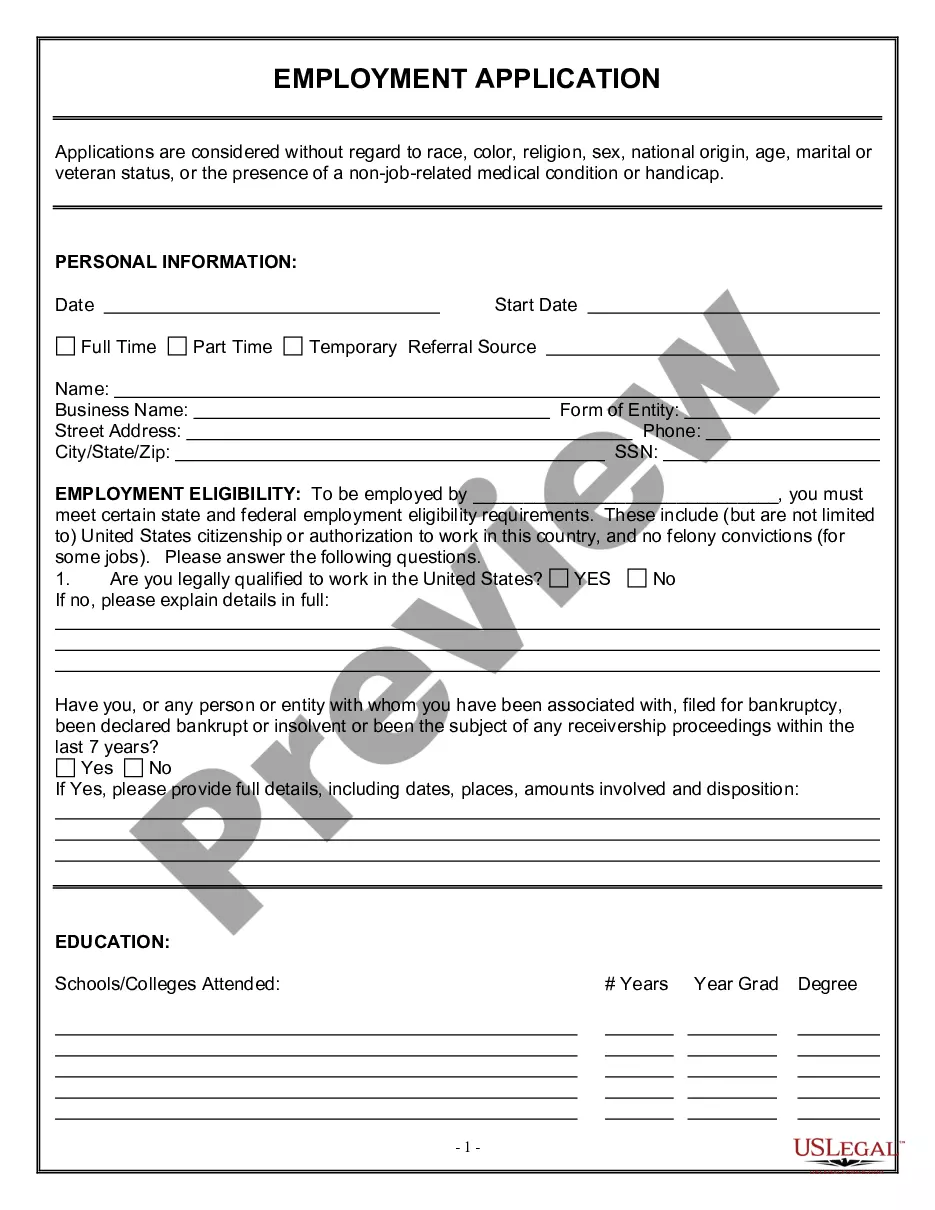
Get your form ready online
Our built-in tools help you complete, sign, share, and store your documents in one place.
Make edits, fill in missing information, and update formatting in US Legal Forms—just like you would in MS Word.
Download a copy, print it, send it by email, or mail it via USPS—whatever works best for your next step.
Sign and collect signatures with our SignNow integration. Send to multiple recipients, set reminders, and more. Go Premium to unlock E-Sign.
If this form requires notarization, complete it online through a secure video call—no need to meet a notary in person or wait for an appointment.
We protect your documents and personal data by following strict security and privacy standards.

Make edits, fill in missing information, and update formatting in US Legal Forms—just like you would in MS Word.

Download a copy, print it, send it by email, or mail it via USPS—whatever works best for your next step.

Sign and collect signatures with our SignNow integration. Send to multiple recipients, set reminders, and more. Go Premium to unlock E-Sign.

If this form requires notarization, complete it online through a secure video call—no need to meet a notary in person or wait for an appointment.

We protect your documents and personal data by following strict security and privacy standards.
Looking for another form?








Form popularity
FAQ
Make it urgent. Giving now is better than giving later, so make sure your language reflects that. Be clear and direct. Craft a great subject line. Keep it optimistic. Say thank you in advance. Use "you" in your asking for a donation wording. Use action verbs. Follow the numbers.
A gift in honor is a unique way to recognize someone for a significant accomplishment or on a special occasion like a birthday, wedding, etc. Your gift in their name will help support our programs and services that directly impact our patients. Donations in honor of someone serve as a lasting tribute to the person.
Explain what the funds will be used for and the impact the donation will have. Establish a personal connection. Share why this cause is meaningful to you and how it has impacted your life or the lives of others you know. This helps build an emotional connection with the reader. Use a conversational tone.
How do you write a fundraising letter? Key steps Start with a personalized greeting. Explain your mission. Describe your current initiative. Outline your project's needs and what you hope to accomplish. Add meaningful photographs or infographics. Show the tangible impact associated with specific donation amounts.
You can usually complete the donation online with a credit or debit card. Remember to insert the name of the person you're donating on behalf of in the appropriate section. There may also be an area where you can put their or their family's contact information so that they can receive updates on the donation.
Again, a simple “In place of a gift, I made a gift to organization name in your name this year.
How do you write a fundraising letter? Key steps Start with a personalized greeting. Explain your mission. Describe your current initiative. Outline your project's needs and what you hope to accomplish. Add meaningful photographs or infographics. Show the tangible impact associated with specific donation amounts.
How To Write a Sponsorship Letter: A Step-by-Step Guide Use a Personalized Introduction. Introduce Your Event/Project Significance. Customized Benefits. Sponsorship Levels With Clear Value Propositions. Credibility Through Testimonials and Metrics. Call to Action With Incentives. Gratitude and Next Steps.
Mention what you are asking for or what you are offering. Include any materials or information that you feel might be important to the recipient. Use a polite and professional tone. Keep the letter short, preferably, one page. In the end, thank the recipient in advance for his/her time and consideration.
Explain what the funds will be used for and the impact the donation will have. Establish a personal connection. Share why this cause is meaningful to you and how it has impacted your life or the lives of others you know. This helps build an emotional connection with the reader. Use a conversational tone.

