Letter To Donor For Donation In Kings
Description



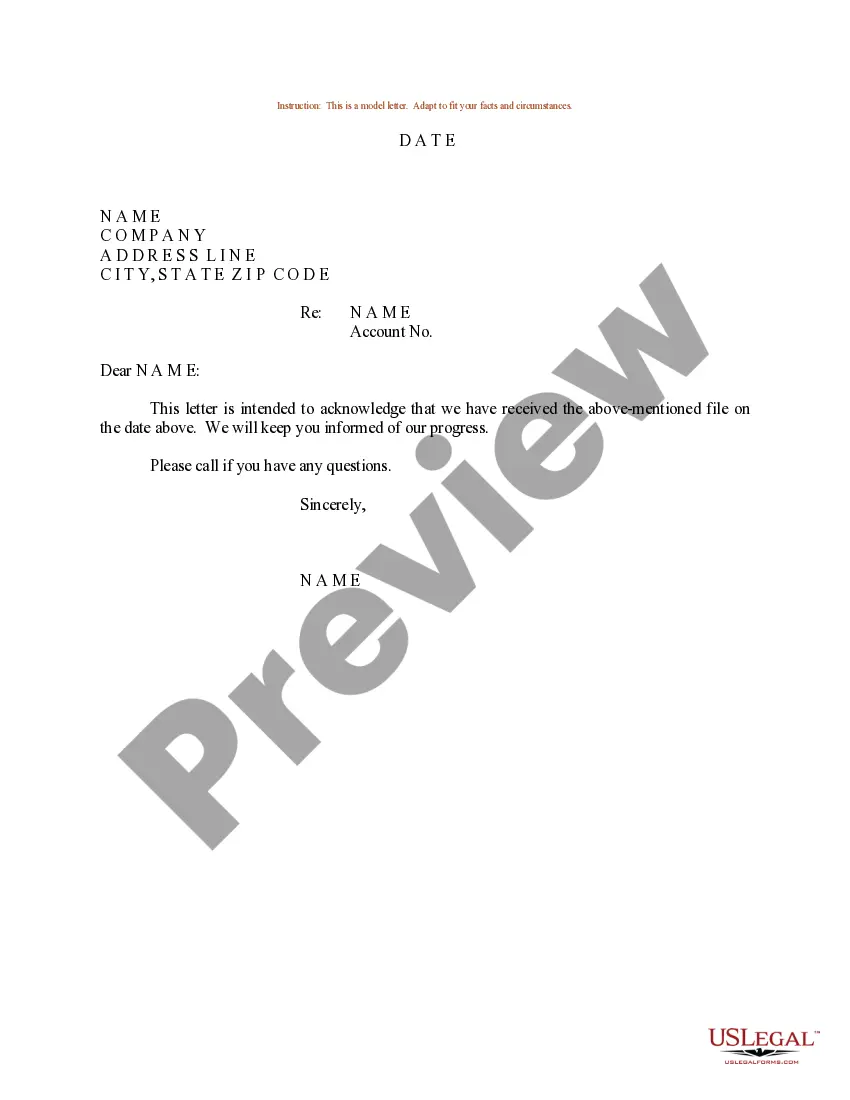
Get your form ready online
Our built-in tools help you complete, sign, share, and store your documents in one place.
Make edits, fill in missing information, and update formatting in US Legal Forms—just like you would in MS Word.
Download a copy, print it, send it by email, or mail it via USPS—whatever works best for your next step.
Sign and collect signatures with our SignNow integration. Send to multiple recipients, set reminders, and more. Go Premium to unlock E-Sign.
If this form requires notarization, complete it online through a secure video call—no need to meet a notary in person or wait for an appointment.
We protect your documents and personal data by following strict security and privacy standards.

Make edits, fill in missing information, and update formatting in US Legal Forms—just like you would in MS Word.

Download a copy, print it, send it by email, or mail it via USPS—whatever works best for your next step.

Sign and collect signatures with our SignNow integration. Send to multiple recipients, set reminders, and more. Go Premium to unlock E-Sign.

If this form requires notarization, complete it online through a secure video call—no need to meet a notary in person or wait for an appointment.

We protect your documents and personal data by following strict security and privacy standards.
Looking for another form?









Form popularity
FAQ
Example 2: Individual Acknowledgment Letter Hi donor name, We're super grateful for your contribution of $250 to nonprofit's name on date received. As a thank you, we sent you a T-shirt with an estimated fair market value of $25 in exchange for your contribution.
Start with a clear statement of purpose. Share personal stories or anecdotes that illustrate the impact the donations will have. Quantify the need and how the donations will be used. Convey gratitude and appreciation for any amount the reader is able to contribute.
How to write a donor letter Write a formal salutation. Customizing your letter can make the donor feel valued and appreciated. Describe the purpose of the non-profit. Include a call to action. Finish with a message of gratitude.
Dear donor's name, My name is name and I am position with nonprofit's name. We have recently received your generous donation of donation amount and wanted to personally thank you. You are truly making a difference and nonprofit name values your support tremendously.
Refer To Your Donor By Their Preferred Name There are two ways of referring to your donor that can hurt your relationship with them. One is using a generic greeting like “Dear Supporter” or “Dear Important Donor.” The other is using a name that they don't go by.
Craft a concise, direct donation message by clearly stating your cause, the impact of donations, and specific calls-to-action with emotional language. For example: "Your $25 gift provides a week of meals for a family in need. Text FEED to 55555 to More Meals today!"
To ask for donations instead of gifts, here are some recommendations: On your invitation or announcement, include a line such as ``In lieu of gifts, we kindly request donations to (charity name).'' Provide the charity's name, website, and donation instructions.
Start with a clear statement of purpose. Share personal stories or anecdotes that illustrate the impact the donations will have. Quantify the need and how the donations will be used. Convey gratitude and appreciation for any amount the reader is able to contribute.
During the ask Be genuine and authentic. Be clear and concise. Listen actively. Be prepared for something other than a “Yes!” Not everyone is immediately going to want to donate to your cause. Explain what the funds will go toward. Provide options. Create a sense of urgency.
Here are some tips for writing an effective donation request letter to friends and family: Make the purpose clear upfront. State the cause or organization you're raising funds for directly in the opening paragraph. Establish a personal connection. Use a conversational tone.

