Letter Receipt Donation Statement With Multiple Conditions In Kings
Description



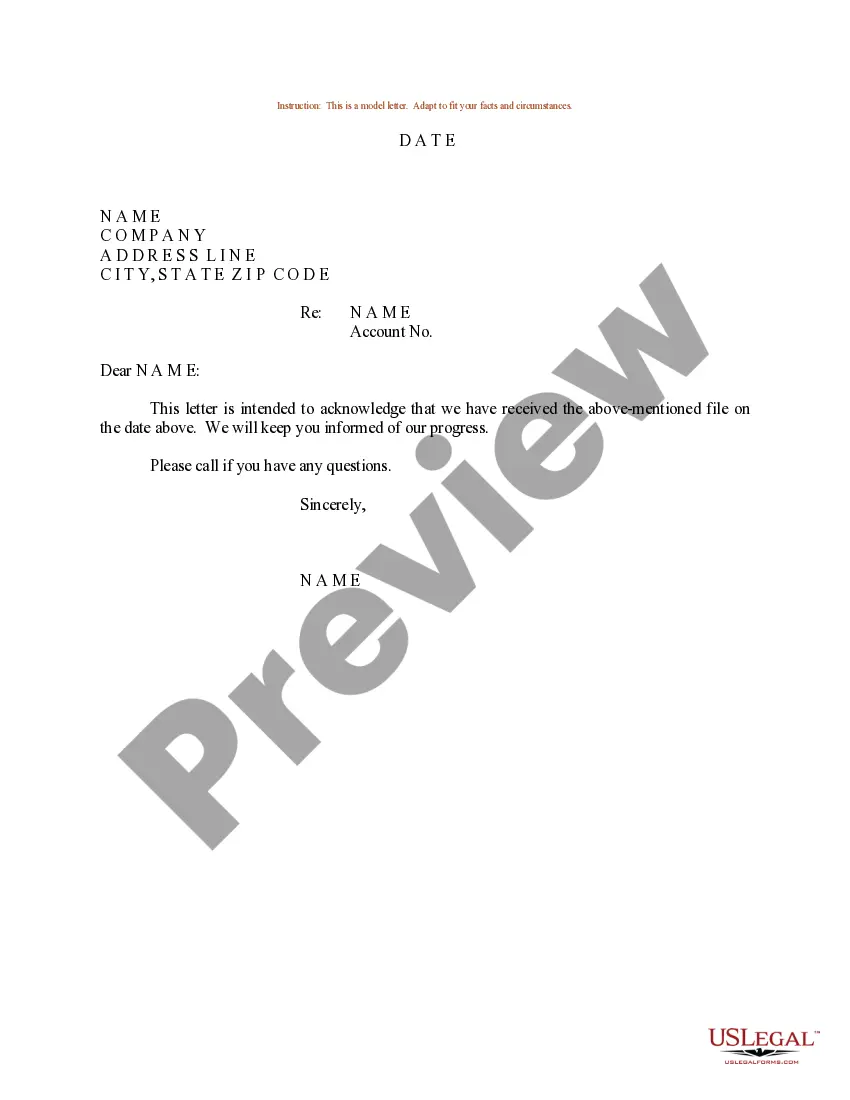
Get your form ready online
Our built-in tools help you complete, sign, share, and store your documents in one place.
Make edits, fill in missing information, and update formatting in US Legal Forms—just like you would in MS Word.
Download a copy, print it, send it by email, or mail it via USPS—whatever works best for your next step.
Sign and collect signatures with our SignNow integration. Send to multiple recipients, set reminders, and more. Go Premium to unlock E-Sign.
If this form requires notarization, complete it online through a secure video call—no need to meet a notary in person or wait for an appointment.
We protect your documents and personal data by following strict security and privacy standards.

Make edits, fill in missing information, and update formatting in US Legal Forms—just like you would in MS Word.

Download a copy, print it, send it by email, or mail it via USPS—whatever works best for your next step.

Sign and collect signatures with our SignNow integration. Send to multiple recipients, set reminders, and more. Go Premium to unlock E-Sign.

If this form requires notarization, complete it online through a secure video call—no need to meet a notary in person or wait for an appointment.

We protect your documents and personal data by following strict security and privacy standards.
Looking for another form?









Form popularity
FAQ
Start with a clear statement of purpose. Share personal stories or anecdotes that illustrate the impact the donations will have. Quantify the need and how the donations will be used. Convey gratitude and appreciation for any amount the reader is able to contribute.
The receipt should include the organization's name, the date of the event, and the names and values of each item the attendee purchased. End-of-year donation receipts.
In general, a well put together donation receipt should include the nonprofit organization's basic information such as name, the donation date, the donation amount, and a statement indicating that the organization is indeed an official nonprofit with their corresponding nonprofit ID nonprofit listed.
Each letter should include the following information: The donor's name. The full legal name of your organization. A declaration of your organization's tax-exempt status. Your organization's employer identification number. The date the gift was received. A description of the gift and the amount received.
Write in the total fair market value of your donation. This value is determined by you, the donor. Goodwill provides a donation value guide to help determine fair market value. Please note: Goodwill employees cannot help determine fair market value.
A: A tax-compliant donation receipt should include your donor's name, address, contact information, donation details (date, amount, and description of donated item or service), your organization's basic information (name, address, and Taxpayer Identification Number or Employer Identification Number), a statement that ...
Include a statement that no goods or services were provided by the organization in exchange for the contribution, if that was the case. If any goods or services were provided by the organization in exchange for the contribution, include a description and good faith estimate of the value of those goods or services.
Ing to the IRS, any kind of donation above $250 should require a donation receipt. The same applies to stock gifts/donations.
Proof can be provided in the form of an official receipt or invoice from the receiving qualified charitable organization, but it can also be provided via credit card statements or other financial records detailing the donation.

