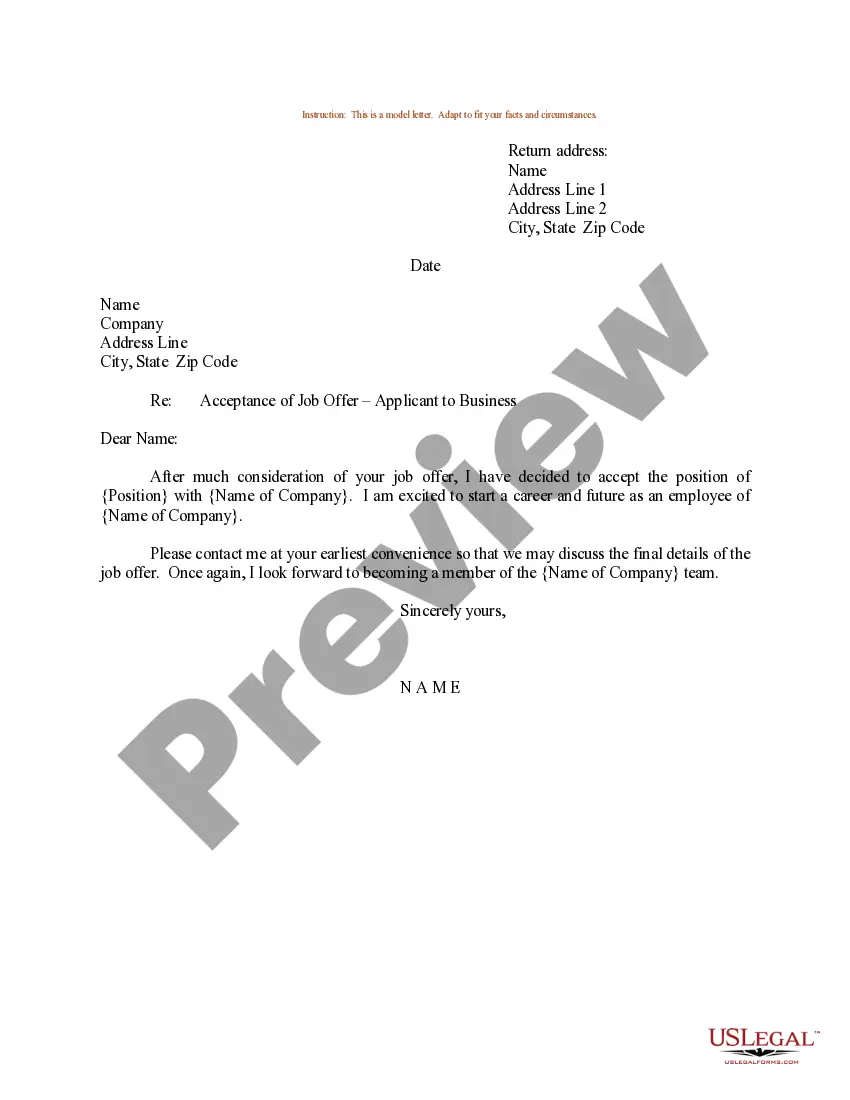
Tax Letter For Donations For School In Georgia
Description




Get your form ready online
Our built-in tools help you complete, sign, share, and store your documents in one place.
Make edits, fill in missing information, and update formatting in US Legal Forms—just like you would in MS Word.
Download a copy, print it, send it by email, or mail it via USPS—whatever works best for your next step.
Sign and collect signatures with our SignNow integration. Send to multiple recipients, set reminders, and more. Go Premium to unlock E-Sign.
If this form requires notarization, complete it online through a secure video call—no need to meet a notary in person or wait for an appointment.
We protect your documents and personal data by following strict security and privacy standards.

Make edits, fill in missing information, and update formatting in US Legal Forms—just like you would in MS Word.

Download a copy, print it, send it by email, or mail it via USPS—whatever works best for your next step.

Sign and collect signatures with our SignNow integration. Send to multiple recipients, set reminders, and more. Go Premium to unlock E-Sign.

If this form requires notarization, complete it online through a secure video call—no need to meet a notary in person or wait for an appointment.

We protect your documents and personal data by following strict security and privacy standards.
Looking for another form?







Form popularity
FAQ
Taxpayers have to claim deductions for school donations as well as other charitable contributions on Schedule A of Form 1040. Thus, the deduction is only available if you choose to itemize your deductions.
Public schools and public colleges or universities – Public schools are a unit of government, so they don't apply for 501(c)(3) status. Interesting thing about them, though, is that they often qualify to receive tax-deductible contributions from the public as if they were 501(c)(3).
The Qualified Education Expense Tax Credit (QEEC) allows Georgia's corporate and individual taxpayers to earn a dollar-for-dollar tax credit when they donate funds to organizations that award scholarships to students attending private schools.
Here are a few things to keep in mind before donating: What types of donations can a public school receive? Eligible for many types including supplies for classrooms, electronic and sports equipment, furniture, or musical instruments.
Generally, the IRS treats public school districts as government instrumentalities. As such, they are exempt from federal income tax and eligible to receive tax-deductible contributions from individuals under Section 170(c)(1) of the IRC.
Generally, yes. The Internal Revenue Code provides a broad exemption for “educational organizations,” under which most public schools have organized. Organizing as a public charity under this section allows schools to collect tax-deductible contributions from donors.
Proof can be provided in the form of an official receipt or invoice from the receiving qualified charitable organization, but it can also be provided via credit card statements or other financial records detailing the donation.
This gift is greatly appreciated and will be used to support our mission. In exchange for this contribution, you received GOODS OR SERVICES – WITH ESTIMATE OF FAIR MARKET VALUE. Your contribution is tax deductible to the extent that it exceeds the value of the goods and service our organization provides in return.