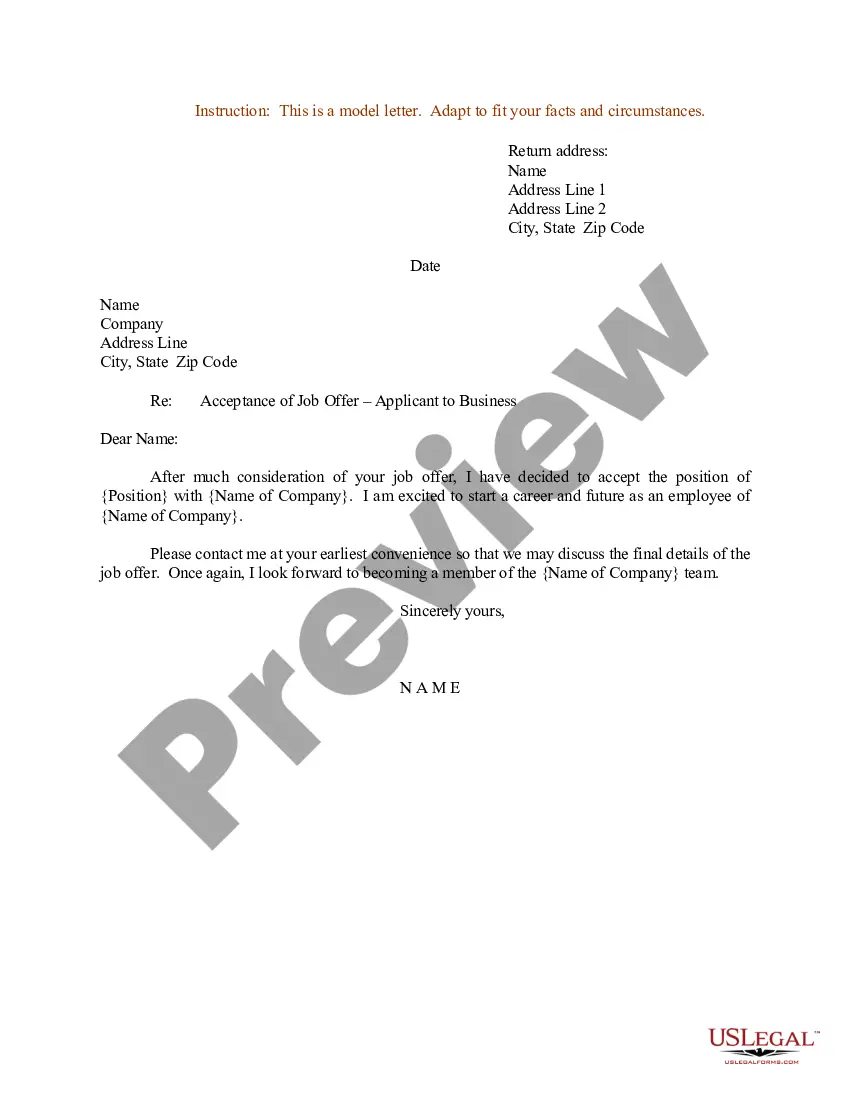
Tax Letter For Donations For Tax Purposes In Chicago
Description



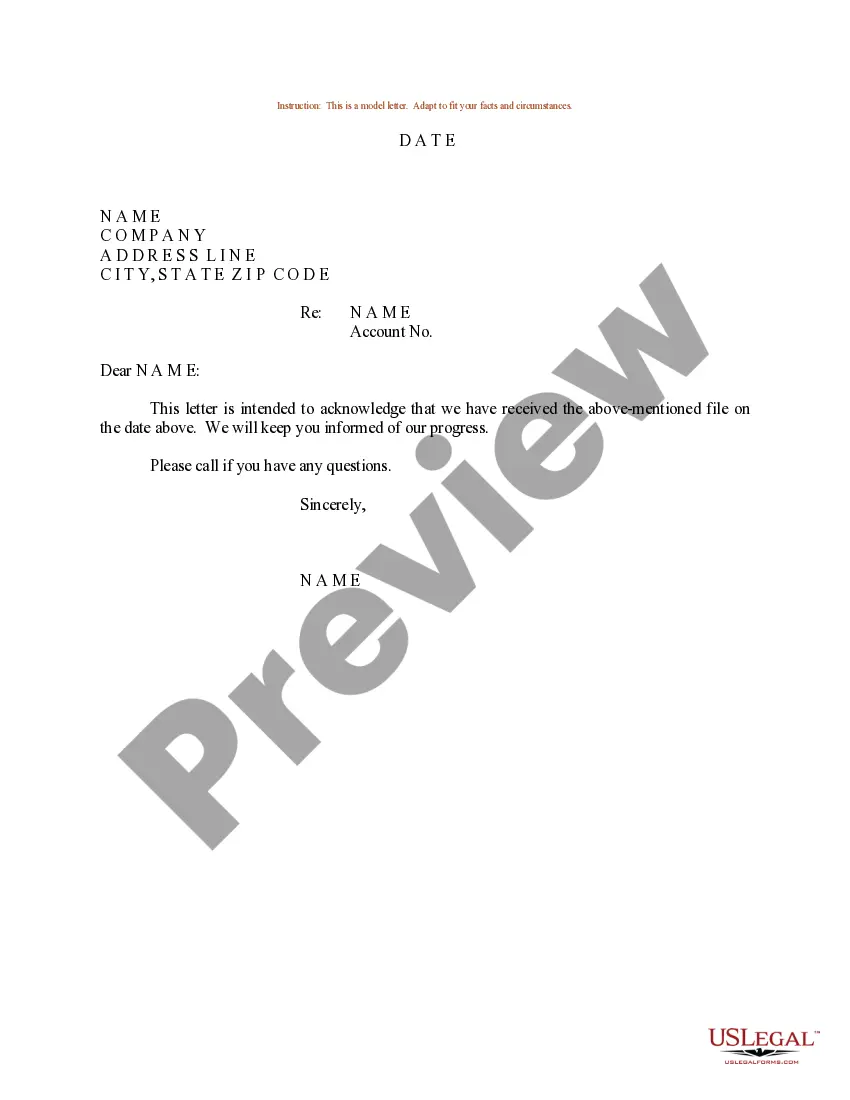
Get your form ready online
Our built-in tools help you complete, sign, share, and store your documents in one place.
Make edits, fill in missing information, and update formatting in US Legal Forms—just like you would in MS Word.
Download a copy, print it, send it by email, or mail it via USPS—whatever works best for your next step.
Sign and collect signatures with our SignNow integration. Send to multiple recipients, set reminders, and more. Go Premium to unlock E-Sign.
If this form requires notarization, complete it online through a secure video call—no need to meet a notary in person or wait for an appointment.
We protect your documents and personal data by following strict security and privacy standards.

Make edits, fill in missing information, and update formatting in US Legal Forms—just like you would in MS Word.

Download a copy, print it, send it by email, or mail it via USPS—whatever works best for your next step.

Sign and collect signatures with our SignNow integration. Send to multiple recipients, set reminders, and more. Go Premium to unlock E-Sign.

If this form requires notarization, complete it online through a secure video call—no need to meet a notary in person or wait for an appointment.

We protect your documents and personal data by following strict security and privacy standards.
Looking for another form?






Form popularity
FAQ
As mentioned above, to claim a charitable donation, you need to itemize your deductions using Form 1040, Schedule A as part of your tax preparation. Schedule A reports your itemized deductions, including charitable contributions. Fill out this form carefully to ensure accurate information about your donations.
There are several details that the IRS requires you to include: The name of your donor. The full legal name of your organization. A declaration of your organization's tax-exempt status. Your organization's employer identification number. The date the gift was received. A description of the gift and the amount received.
Proof can be provided in the form of an official receipt or invoice from the receiving qualified charitable organization, but it can also be provided via credit card statements or other financial records detailing the donation.
Proof can be provided in the form of an official receipt or invoice from the receiving qualified charitable organization, but it can also be provided via credit card statements or other financial records detailing the donation.
However, you should be able to provide a bank record (bank statement, credit card statement, canceled check or a payroll deduction record) to claim the tax deduction. Written records, like check registers or personal notations, from the donor aren't enough proof. The records should show the: Organization's name.
A donor or donation acknowledgment letter is a letter nonprofits send to thank their donors for their gifts. As we'll discuss below, it's also an opportunity for you to provide the official documentation required by the IRS to donors who have given a gift over $250.
Generally, any nonprofit organization that promotes religious, literary, educational, scientific, humanitarian or other charitable causes will qualify. However, if the combined value of all property you donate is more than $500, you must prepare Form 8283 and attach it to your tax return.
1. The Basic Donation Letter Format Salutation. Greet your potential donor with a friendly opening, and personalize it with their name whenever possible. Explanation of your mission. Your project, event, or needs. Compelling details. A specific request. A call-to-action.
Here are a few tips to help you write donation messages that convert. Be clear, concise, and to the point. Text messages are inherently short, so you must be concise yet clear. Make it easy to donate. You want to make it simple for contacts to donate to your cause.