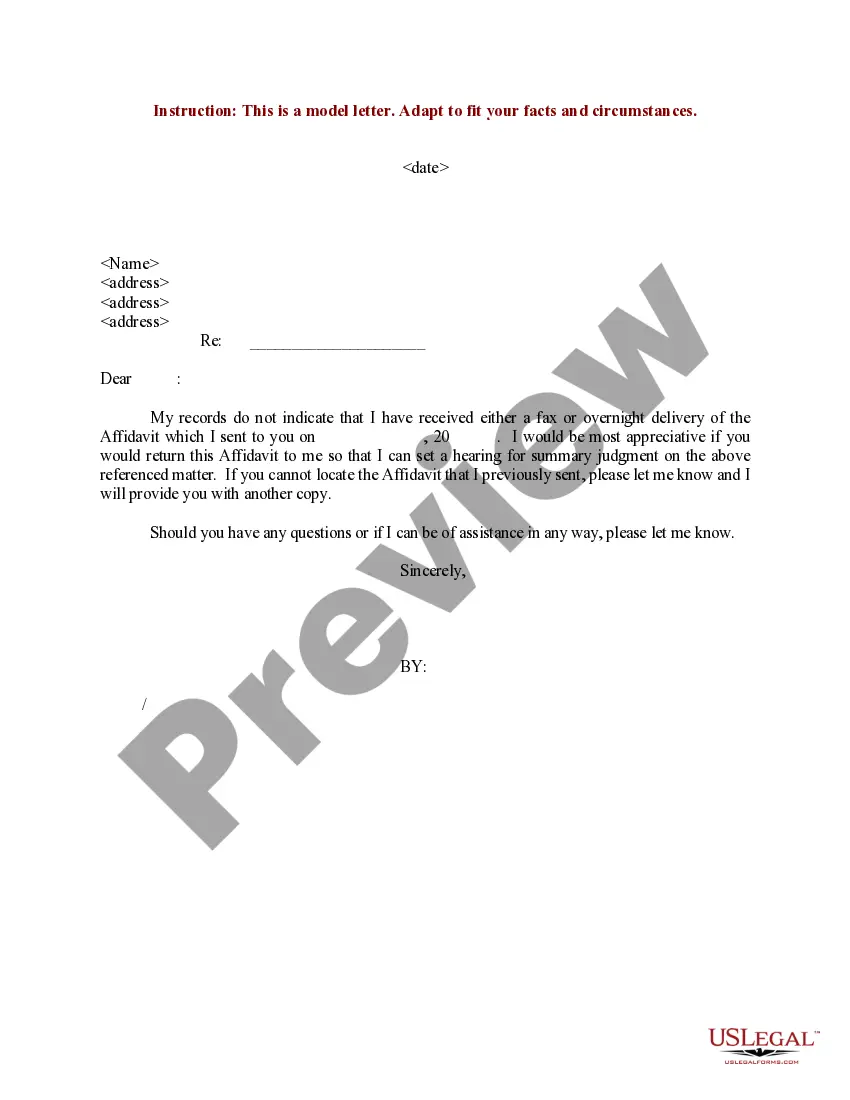
Sample Letter For Donation Request From A Company In Bexar
Description




Get your form ready online
Our built-in tools help you complete, sign, share, and store your documents in one place.
Make edits, fill in missing information, and update formatting in US Legal Forms—just like you would in MS Word.
Download a copy, print it, send it by email, or mail it via USPS—whatever works best for your next step.
Sign and collect signatures with our SignNow integration. Send to multiple recipients, set reminders, and more. Go Premium to unlock E-Sign.
If this form requires notarization, complete it online through a secure video call—no need to meet a notary in person or wait for an appointment.
We protect your documents and personal data by following strict security and privacy standards.

Make edits, fill in missing information, and update formatting in US Legal Forms—just like you would in MS Word.

Download a copy, print it, send it by email, or mail it via USPS—whatever works best for your next step.

Sign and collect signatures with our SignNow integration. Send to multiple recipients, set reminders, and more. Go Premium to unlock E-Sign.

If this form requires notarization, complete it online through a secure video call—no need to meet a notary in person or wait for an appointment.

We protect your documents and personal data by following strict security and privacy standards.
Looking for another form?



Form popularity
FAQ
Components of a LOI Opening Paragraph: Your summary statement. Statement of Need: The "why" of the project. ( ... Project Activity: The "what" and "how" of the project. ( ... Outcomes (1–2 paragraphs; before or after the Project Activity) ... Credentials (1–2 paragraphs) ... Budget (1–2 paragraphs) ... Closing (1 paragraph) ... Signature.
1. The Basic Donation Letter Format Salutation. Greet your potential donor with a friendly opening, and personalize it with their name whenever possible. Explanation of your mission. Your project, event, or needs. Compelling details. A specific request. A call-to-action.
Write a letter. This method lends a bit of formality to the ask. Limit your letter to one page, and make sure that someone in your organization signs it (preferably a board member or other leader). Ask in person. This method is sometimes preferred by nonprofits who are asking local businesses for donations.
Dear Donor Name, Today, I'm writing to ask you to support cause. By donating just amount, you can specific impact. To donate, specific action. Thank you for joining cause's efforts during this adjective time—It's supporters like you that help us change the world every day.
Explain who you are, the organization you represent, and the cause or project you are seeking donations for. Body: In the main body of the letter, provide more details about the organization, the specific need or initiative you are fundraising for, and how the donations will be used.
Explain who you are, the organization you represent, and the cause or project you are seeking donations for. Body: In the main body of the letter, provide more details about the organization, the specific need or initiative you are fundraising for, and how the donations will be used.
How to Write a Donation Request Letter Understand Your Audience. From past donors to potential ones, you likely have a wide audience that you can reach out to. Tell a Powerful Story. Make the Ask. Personalize the Letter. Format & Design. Express Gratitude. Proofread & Edit. Measure Success & Improve.
To set your appeal up for success, follow these essential steps: Address the donor by their preferred name. Incorporate storytelling. Add compelling visuals. Emphasize the impact of donations. Include a call to action.
1. The Basic Donation Letter Format Salutation. Greet your potential donor with a friendly opening, and personalize it with their name whenever possible. Explanation of your mission. Your project, event, or needs. Compelling details. A specific request. A call-to-action.