Gift Letter Tax Implications In Arizona
Description



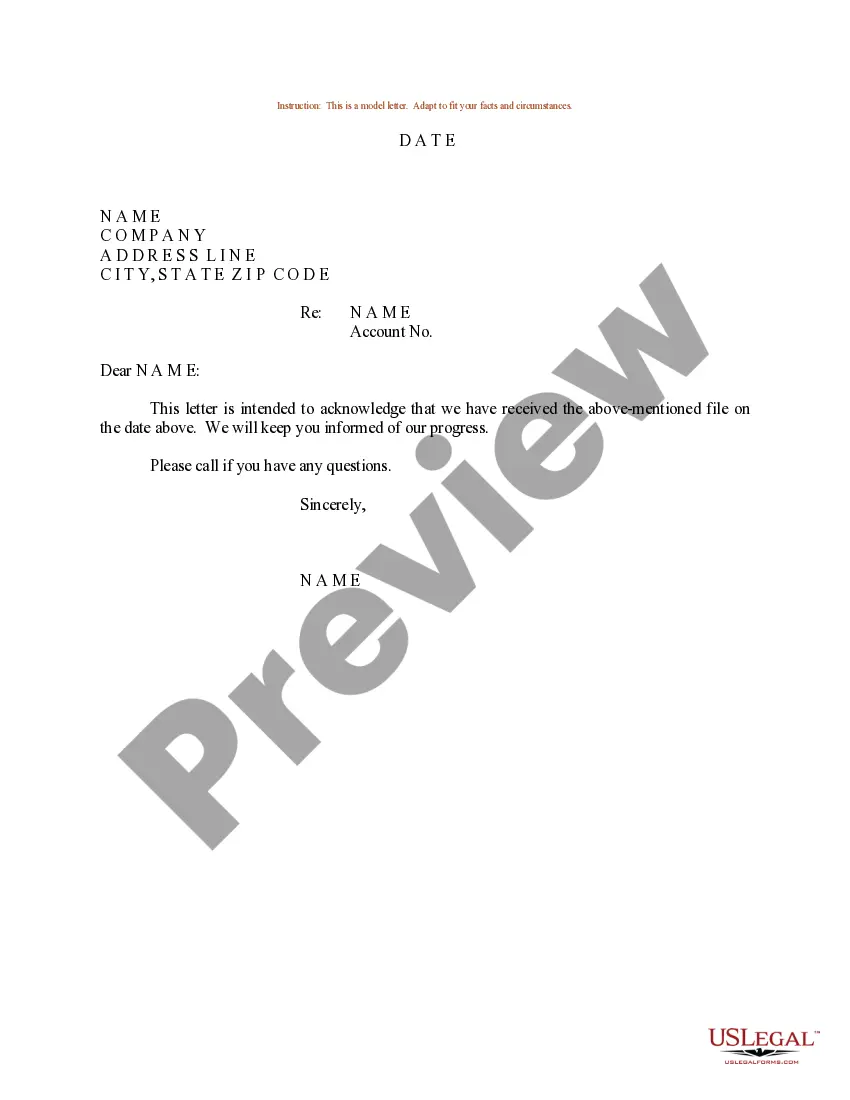
Get your form ready online
Our built-in tools help you complete, sign, share, and store your documents in one place.
Make edits, fill in missing information, and update formatting in US Legal Forms—just like you would in MS Word.
Download a copy, print it, send it by email, or mail it via USPS—whatever works best for your next step.
Sign and collect signatures with our SignNow integration. Send to multiple recipients, set reminders, and more. Go Premium to unlock E-Sign.
If this form requires notarization, complete it online through a secure video call—no need to meet a notary in person or wait for an appointment.
We protect your documents and personal data by following strict security and privacy standards.

Make edits, fill in missing information, and update formatting in US Legal Forms—just like you would in MS Word.

Download a copy, print it, send it by email, or mail it via USPS—whatever works best for your next step.

Sign and collect signatures with our SignNow integration. Send to multiple recipients, set reminders, and more. Go Premium to unlock E-Sign.

If this form requires notarization, complete it online through a secure video call—no need to meet a notary in person or wait for an appointment.

We protect your documents and personal data by following strict security and privacy standards.
Looking for another form?


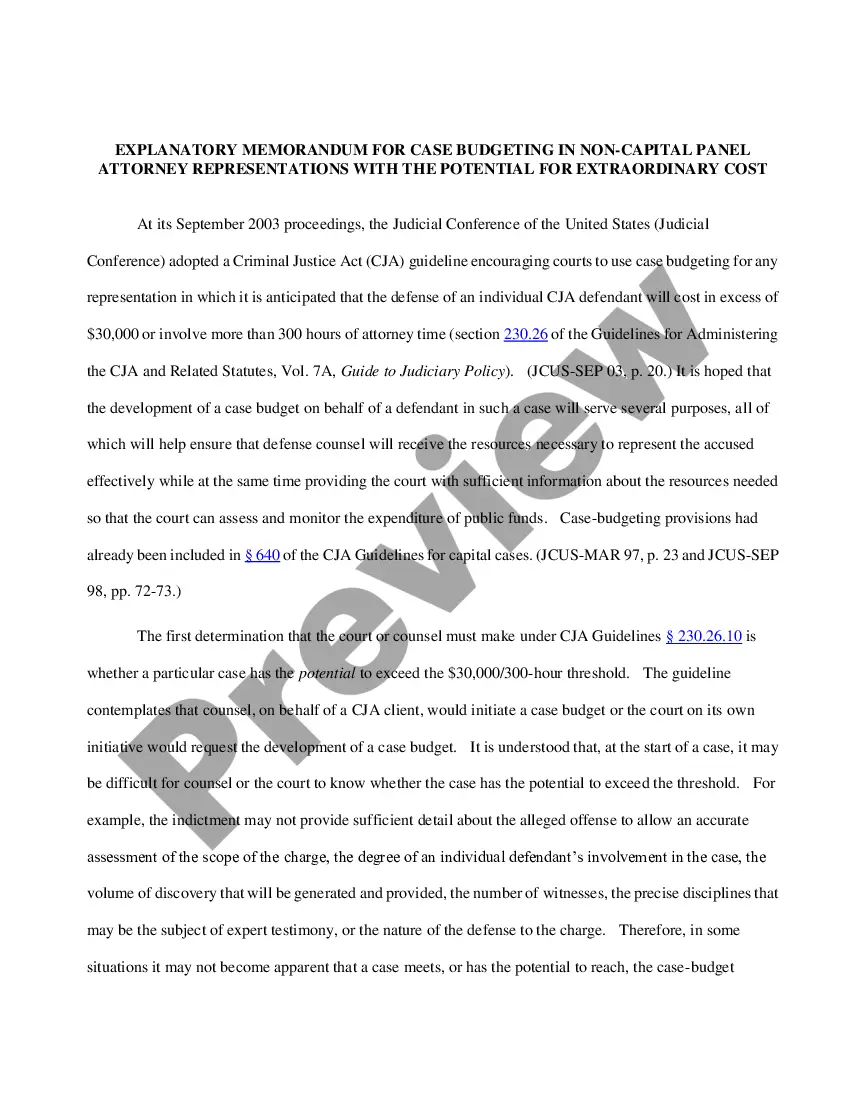




Form popularity
FAQ
If you make a taxable gift (one in excess of the annual exclusion), you are required to file Form 709: US Gift (and Generation-Skipping Transfer) Tax Return.
Use Form 709 to report: Transfers subject to the federal gift and certain generation-skipping transfer (GST) taxes.
What Can Trigger a Gift or Estate Tax Audit? Here are some of the common factors that can lead to gift or estate tax audits: Total estate and gift value: Generally speaking, gift and estate tax returns are more likely to be audited when there are taxes owed and the size of the transaction or estate is relatively large.
Generally, Form 709: U.S. Gift (and Generation-Skipping Transfer) Tax Return is required if any of the following apply: An individual makes one or more gifts to any one person (other than his or her citizen spouse) that are more than the annual exclusion for the year.
Who Must File. In general. If you are a citizen or resident of the United States, you must file a gift tax return (whether or not any tax is ultimately due) in the following situations. If you gave gifts to someone in 2024 totaling more than $18,000 (other than to your spouse), you probably must file Form 709.
The Montana/Arizona Gift Clause banned not only gifts and loans, but also financial aid “by subsidy or otherwise” — a broad catch-all phrase intended to block any form of public financial assistance to private enterprise, including exemption from taxation.
General Rules for Gifts and Honoraria $630 Gift Limit (Effective January 1, 2025 - December 31, 2026): State and local officials and employees are prohibited from receiving a gift or gifts totaling more than $630 in a calendar year from certain sources.
Making a gift or leaving your estate to your heirs does not ordinarily affect your federal income tax. You cannot deduct the value of gifts you make (other than gifts that are deductible charitable contributions).
How Do I Write a Gift Letter? The donor's name, address and phone number. The donor's relationship to the client. The dollar amount of the gift. The date when the funds were (or will be) transferred. A statement from the donor that no repayment is expected. The donor's signature.

