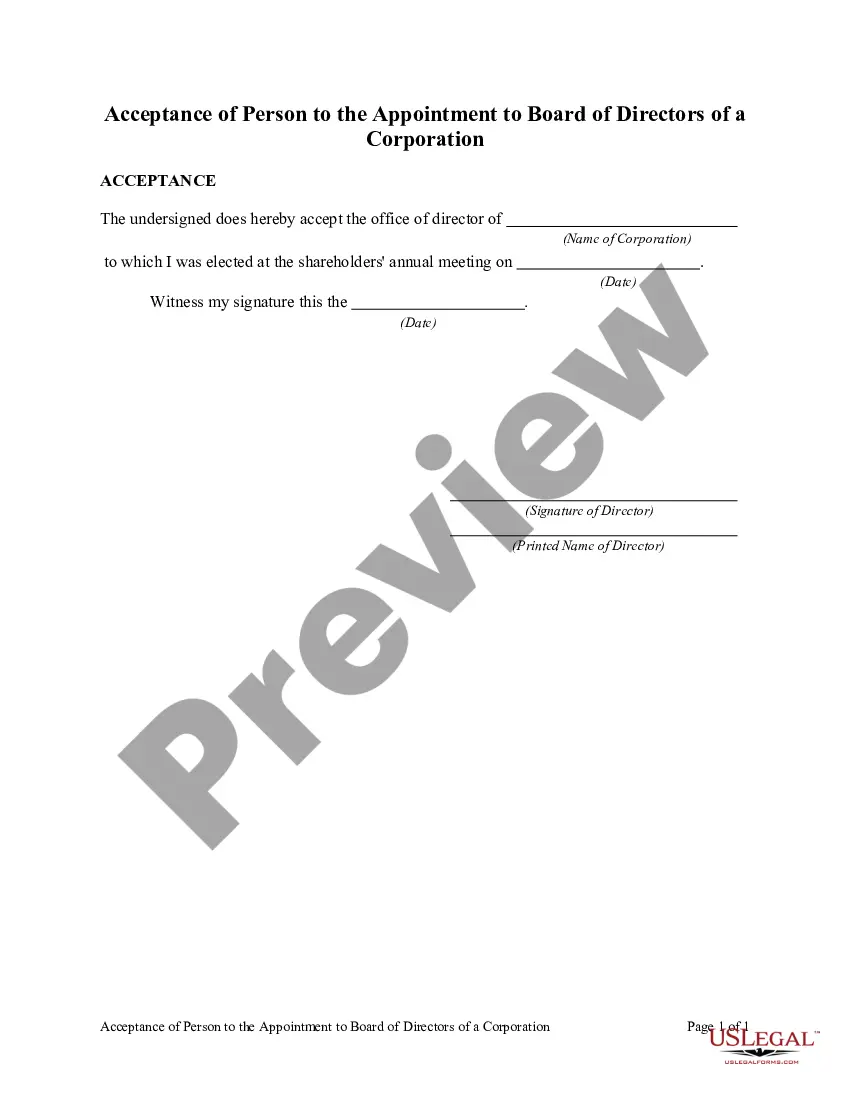
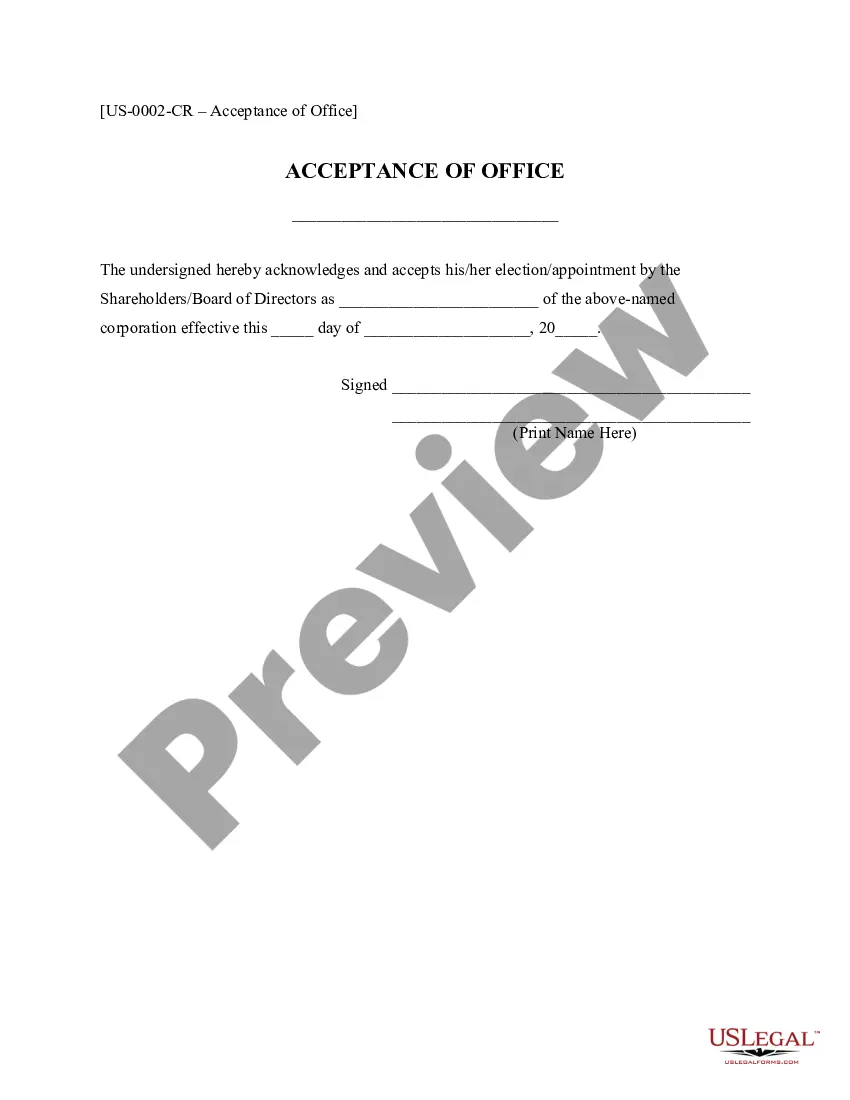
Director Appointment In Agm In Los Angeles
Description


Get your form ready online
Our built-in tools help you complete, sign, share, and store your documents in one place.
Make edits, fill in missing information, and update formatting in US Legal Forms—just like you would in MS Word.
Download a copy, print it, send it by email, or mail it via USPS—whatever works best for your next step.
Sign and collect signatures with our SignNow integration. Send to multiple recipients, set reminders, and more. Go Premium to unlock E-Sign.
If this form requires notarization, complete it online through a secure video call—no need to meet a notary in person or wait for an appointment.
We protect your documents and personal data by following strict security and privacy standards.

Make edits, fill in missing information, and update formatting in US Legal Forms—just like you would in MS Word.

Download a copy, print it, send it by email, or mail it via USPS—whatever works best for your next step.

Sign and collect signatures with our SignNow integration. Send to multiple recipients, set reminders, and more. Go Premium to unlock E-Sign.

If this form requires notarization, complete it online through a secure video call—no need to meet a notary in person or wait for an appointment.

We protect your documents and personal data by following strict security and privacy standards.
Looking for another form?



Form popularity
FAQ
How to write meeting minutes Organization name. Meeting purpose. Start and end times. Date and location. List of attendees and absentees, if necessary. Space for important information like motions passed or deadlines given. Space for your signature and the meeting leader's signature.
California corporations need to maintain a corporate minute book. In the minute book, you're required to keep originals or copies of all the signed and approved minutes or actions by unanimous written consent. All records from special or annual meetings must be included in the minute book.
California professional corporations must file an annual Statement of Information, hold annual shareholder and director meetings, document meeting minutes, maintain accurate records, and ensure they comply with all applicable state regulations.
The minutes must include the name of the attendees at the meeting, the time and day of the meeting, as well as the focus and decisions made at the meeting. The minutes must record what happened at the meeting, even if nothing of importance occurred.
The annual meeting should be held on the date and time designated in the bylaws. All shareholders who are entitled to vote are entitled to written notice of the annual meeting as well as any special meeting. Notice must include the date, time and place of the meeting and how shareholders may attend.
What happens if a minute book is not maintained? If evidence is uncovered that a corporate entity's actions are not documented in historic or active record keeping, the shareholders, members, and management could lose personal liability protection – a situation referred to as “piercing the corporate veil.”
The company may pass a resolution to appoint a director in an Annual General Meeting (AGM). If the company decides to appoint a director in the middle of the year, it may appoint a director by passing a resolution in an Extraordinary General Meeting (EGM).
In some companies, members may alter the articles to restrict the right of directors to attend. However, since directors are responsible for running the company, their attendance can be beneficial. This allows members to review their performance, ask questions, and discuss any issues or future strategies.
(1) The articles of a company may confer on its Board of Directors the power to appoint any person, other than a person who fails to get appointed as a director in a general meeting, as an additional director at any time who shall hold office up to the date of the next annual general meeting or the last date on which ...
California professional corporations must file an annual Statement of Information, hold annual shareholder and director meetings, document meeting minutes, maintain accurate records, and ensure they comply with all applicable state regulations.