Warranty Deed Vs Gift Deed In San Jose
Description

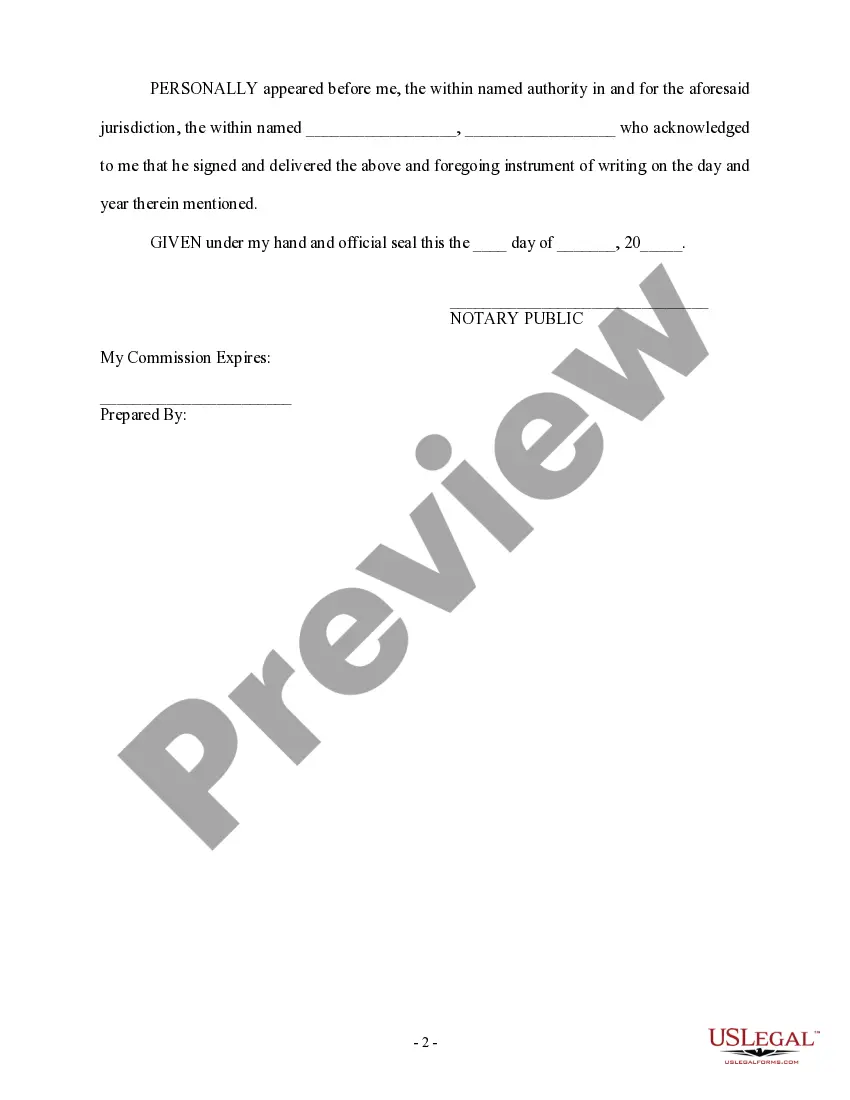
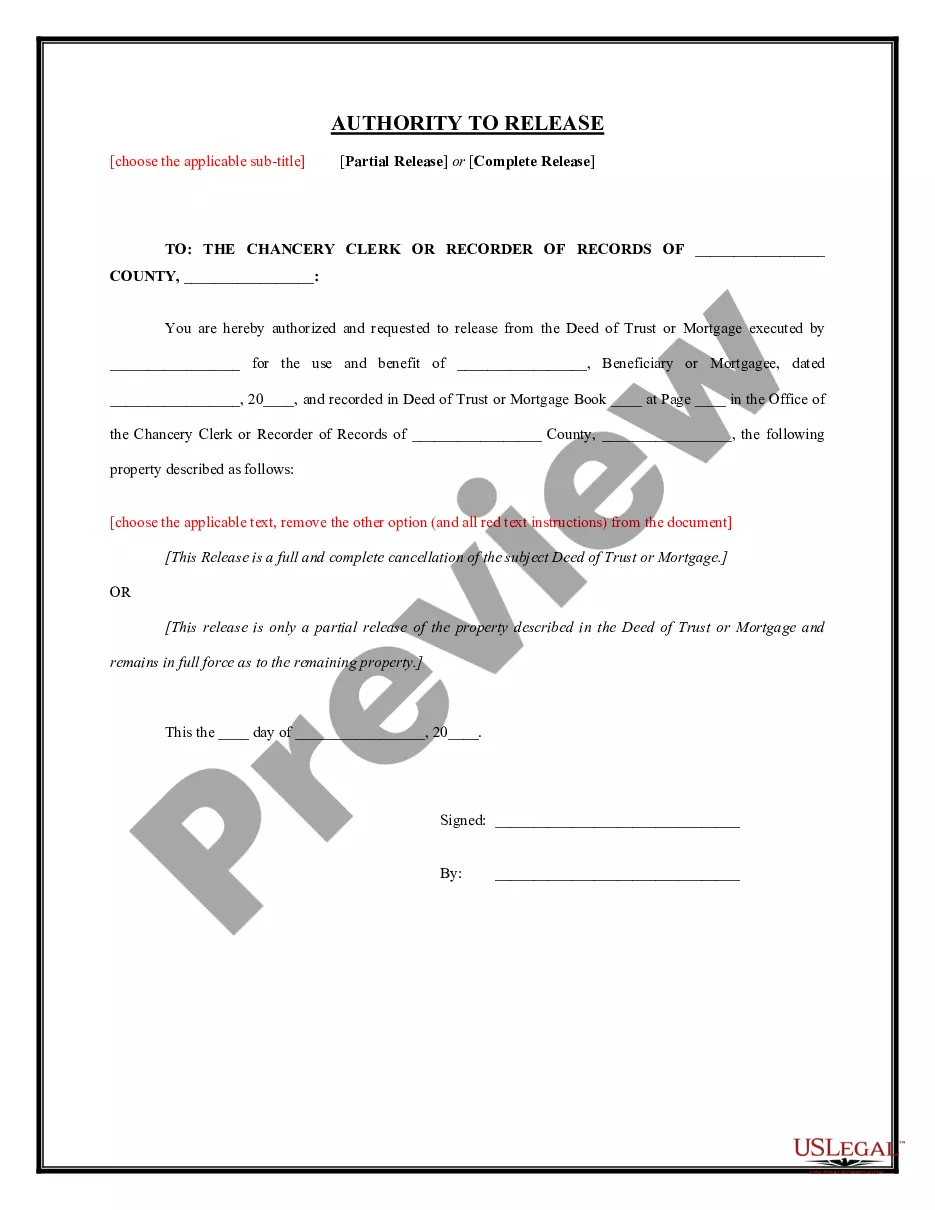
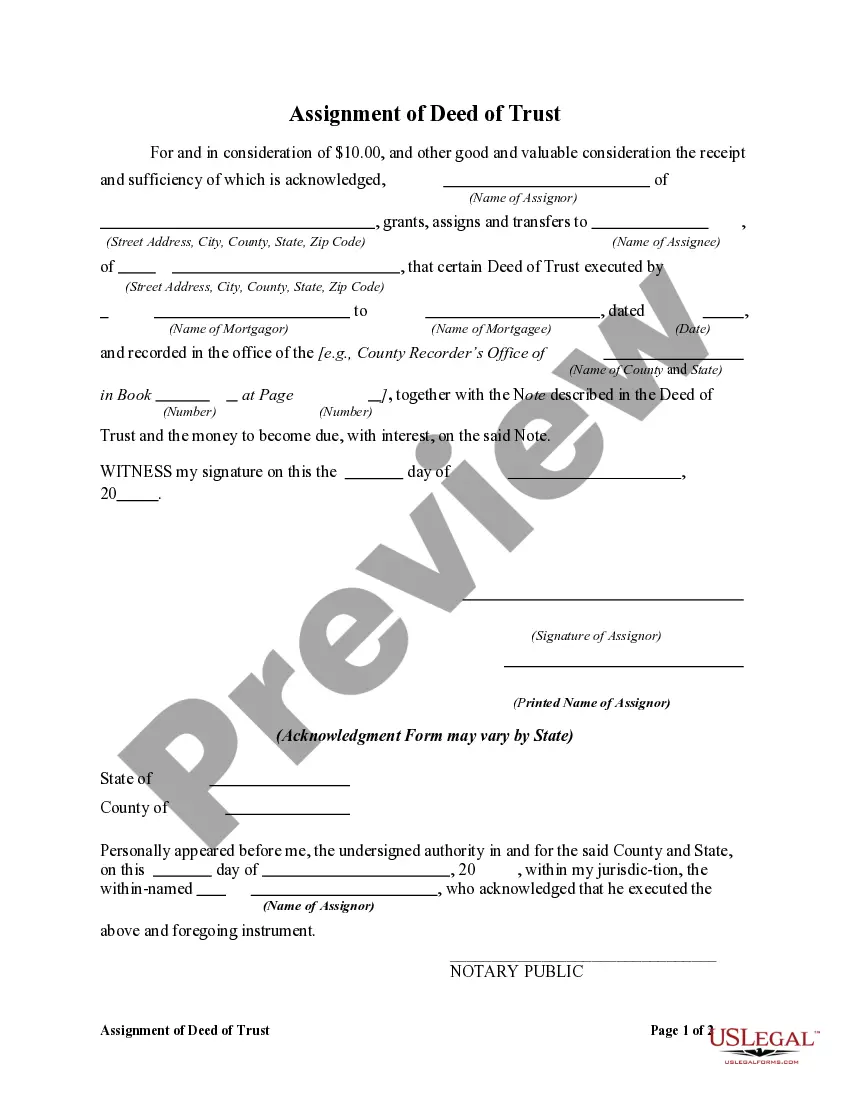
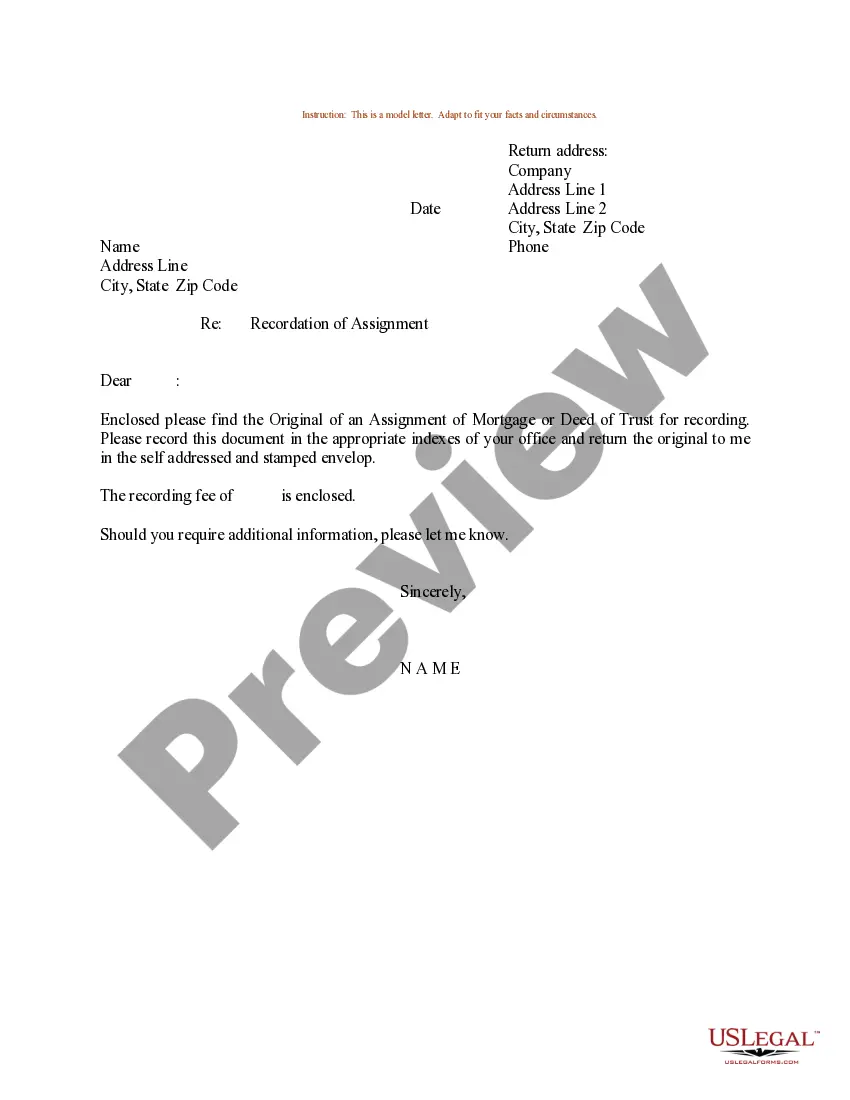

Get your form ready online
Our built-in tools help you complete, sign, share, and store your documents in one place.
Make edits, fill in missing information, and update formatting in US Legal Forms—just like you would in MS Word.
Download a copy, print it, send it by email, or mail it via USPS—whatever works best for your next step.
Sign and collect signatures with our SignNow integration. Send to multiple recipients, set reminders, and more. Go Premium to unlock E-Sign.
If this form requires notarization, complete it online through a secure video call—no need to meet a notary in person or wait for an appointment.
We protect your documents and personal data by following strict security and privacy standards.

Make edits, fill in missing information, and update formatting in US Legal Forms—just like you would in MS Word.

Download a copy, print it, send it by email, or mail it via USPS—whatever works best for your next step.

Sign and collect signatures with our SignNow integration. Send to multiple recipients, set reminders, and more. Go Premium to unlock E-Sign.

If this form requires notarization, complete it online through a secure video call—no need to meet a notary in person or wait for an appointment.

We protect your documents and personal data by following strict security and privacy standards.
Looking for another form?




Form popularity
FAQ
The most common way to transfer property is through a general warranty deed (sometimes called a "grant deed"). A general warranty deed guarantees good title from the beginning of time.
There are also some disadvantages to using gift deeds: It is irrevocable post-execution, which can lead to complications if problems arise in the future between the donor and donee. There are extra costs in the form of stamp duty, which vary from state to state.
You can sell as a warranty deed... but this means you are warranting clean title and the buyer can come back to you, you should only provide a warranty deed if there's a title company/title insurance being purchased.
There are many uses for a quitclaim deed, but one of the most common is to convey ownership between people who are related, like spouses, parents or other family members.
General warranty deeds: A general warranty deed provides the most protection to the buyer but gives the grantor the highest degree of liability. The grantor of a general warranty deed fully warrants good, clear title to the property.
Each grantor must sign the deed in the presence of a notary public for a valid transfer. All signatures must be original. In California, when real property is conveyed as a gift, no transfer tax is due, pursuant to Cal. R&T Code 11930.
General warranty deeds give the grantee the most legal protection, while special warranty deeds give the grantee more limited protection. A quitclaim deed gives the grantee the least protection under the law.
A quitclaim deed is seen as the weakest form of deed. A quitclaim deed offers the lowest protection to the grantee, and there are no covenants or warranties included in it. Quitclaim deeds are usually done between family members for simple transactions.
What Is the Strongest Type of Deed? For real estate buyers, a general warranty deed provides greater protection than any other type of deed. While it's the best deed for the grantee, it gives the grantor the most liability.
